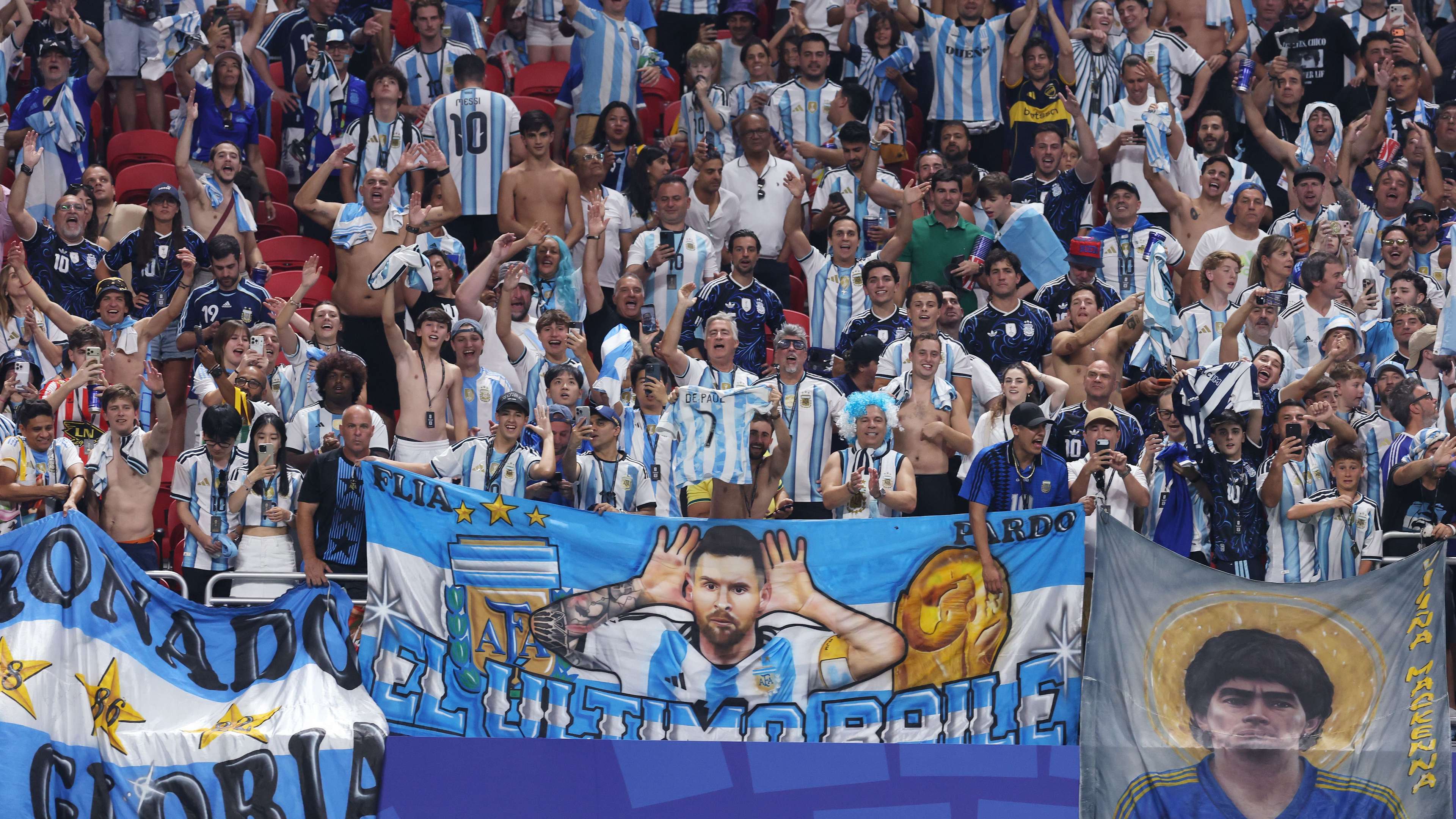


FIFA Faces Backlash as 2026 World Cup Final Ticket Prices Soar by 38%
The International Federation of Association Football (FIFA) has come under fire as ticket prices for the upcoming 2026 World Cup final have skyrocketed by 38%. This surge in prices has led to widespread criticism and outrage among football fans worldwide.
Increased Ticket Prices
With the launch of the fourth and final phase of ticket sales, the cost of the most expensive ticket for the final match has reached a staggering $11,000, as reported by the British newspaper, the Daily Mail. This phase, often referred to as a “last-minute sale,” allows anyone to purchase tickets without the need for a draw. Sales are conducted on a first-come, first-served basis and will continue until the end of the tournament, with tickets being released gradually, including on match days.
Fans were taken aback by the significant increase in final match ticket prices, which rose to $10,990, a 38% jump from the initial sales phase held in September. During the first phase, reserved for Visa cardholders through a draw, the maximum ticket price was $6,730.
Category 2 ticket prices experienced a 32% increase, reaching $7,380, while Category 3 prices rose to $5,785, up by 38%. In comparison, the most expensive ticket for the 2022 World Cup final was around $1,604.
Technical Glitch and Criticism
Reports from British media highlighted a technical glitch during the launch of the final sales phase. Buyers were directed to an incorrect page, leading them to a waiting list intended for official national team supporters’ groups, requiring special access codes instead of the general sales portal.
These price hikes and technical issues have only fueled fans’ frustrations, especially since FIFA was already facing backlash for the high prices, which were seen as contradictory to the promises made when the hosting rights were awarded to the United States, Canada, and Mexico.
FIFA’s Defense
FIFA defended the ticket prices, stating that they reflect the “huge” level of demand, according to comments made by FIFA President Gianni Infantino. Over 7 million tickets have been made available for the tournament, with more than 3 million tickets already sold during the initial three phases of the sales process.
The lineup of national teams participating in the 2026 World Cup has been finalized, with the tournament expanding to include 48 teams for the first time, hosted across three countries: the United States, Canada, and Mexico. The tournament is scheduled to take place from June 11 to July 19.
As fans continue to express their discontent over the steep rise in ticket prices, FIFA faces mounting pressure to address these concerns and ensure that the beautiful game remains accessible to all fans, regardless of their financial means.
Stay tuned for more updates on the 2026 World Cup and the latest developments in the world of football.
The Impact of Rising Ticket Prices on Fans
The significant increase in ticket prices for the 2026 World Cup final has sparked a debate among fans about the accessibility of the sport they love. Many argue that the soaring prices have made it difficult for the average fan to attend such a prestigious event, limiting the diversity of the audience and potentially excluding passionate supporters who may not have the financial means to afford the tickets.
Football has always been known as the “people’s game,” with its ability to unite individuals from diverse backgrounds and cultures. However, with the widening gap between ticket prices and fans’ budgets, there is a growing concern that the sport is becoming increasingly elitist, catering more to affluent spectators rather than the grassroots community that forms the foundation of football.
The Commercialization of Football Events
The escalating ticket prices for major football tournaments like the World Cup reflect the commercialization of the sport, where revenue generation takes precedence over fan engagement and inclusivity. FIFA’s justification of the high prices based on demand raises questions about the organization’s priorities and its commitment to preserving the essence of football as a sport for all.
While FIFA has the responsibility to ensure the financial sustainability of its events, striking a balance between profitability and accessibility is crucial to maintaining the integrity of the game and upholding the values that have made football a global phenomenon.
Social Media Outcry and Fan Activism
Social media platforms have become a powerful tool for fans to voice their concerns and mobilize support for more affordable ticket prices. Campaigns calling for FIFA to reconsider its pricing strategy and make the World Cup more affordable have gained traction online, with hashtags like #FootballForAll circulating on Twitter and Instagram.
Fan activism has the potential to influence decision-makers and prompt organizations like FIFA to rethink their approach to ticket sales, placing greater emphasis on ensuring that fans from all walks of life have the opportunity to experience the magic of the World Cup firsthand.
The Future of Football Ticketing
As discussions around ticket prices for the 2026 World Cup continue to evolve, there is a growing need for a more transparent and fan-centric approach to ticketing in football. Innovations such as dynamic pricing models, where ticket costs fluctuate based on demand and availability, could offer a solution to balancing accessibility with revenue generation.
Moreover, exploring alternative ticketing strategies, such as lottery systems for premium tickets and discounts for local fans, could help create a more inclusive and diverse audience at major football events, fostering a sense of community and belonging among supporters worldwide.
Conclusion
While the controversy surrounding the surge in ticket prices for the 2026 World Cup final has highlighted the challenges of balancing commercial interests with fan affordability, it also presents an opportunity for stakeholders in the football industry to rethink their approach to ticketing and prioritize the fans’ experience above all else.
By engaging in constructive dialogue with fans, embracing digital platforms for feedback and engagement, and exploring innovative ticketing solutions, FIFA and other football organizations can work towards creating a more equitable and accessible environment for fans to celebrate the beautiful game together.