
Saudi Arabia vs. Iraq: A Historic Football Rivalry Reignited on the Eve of the Gulf Cup Clash
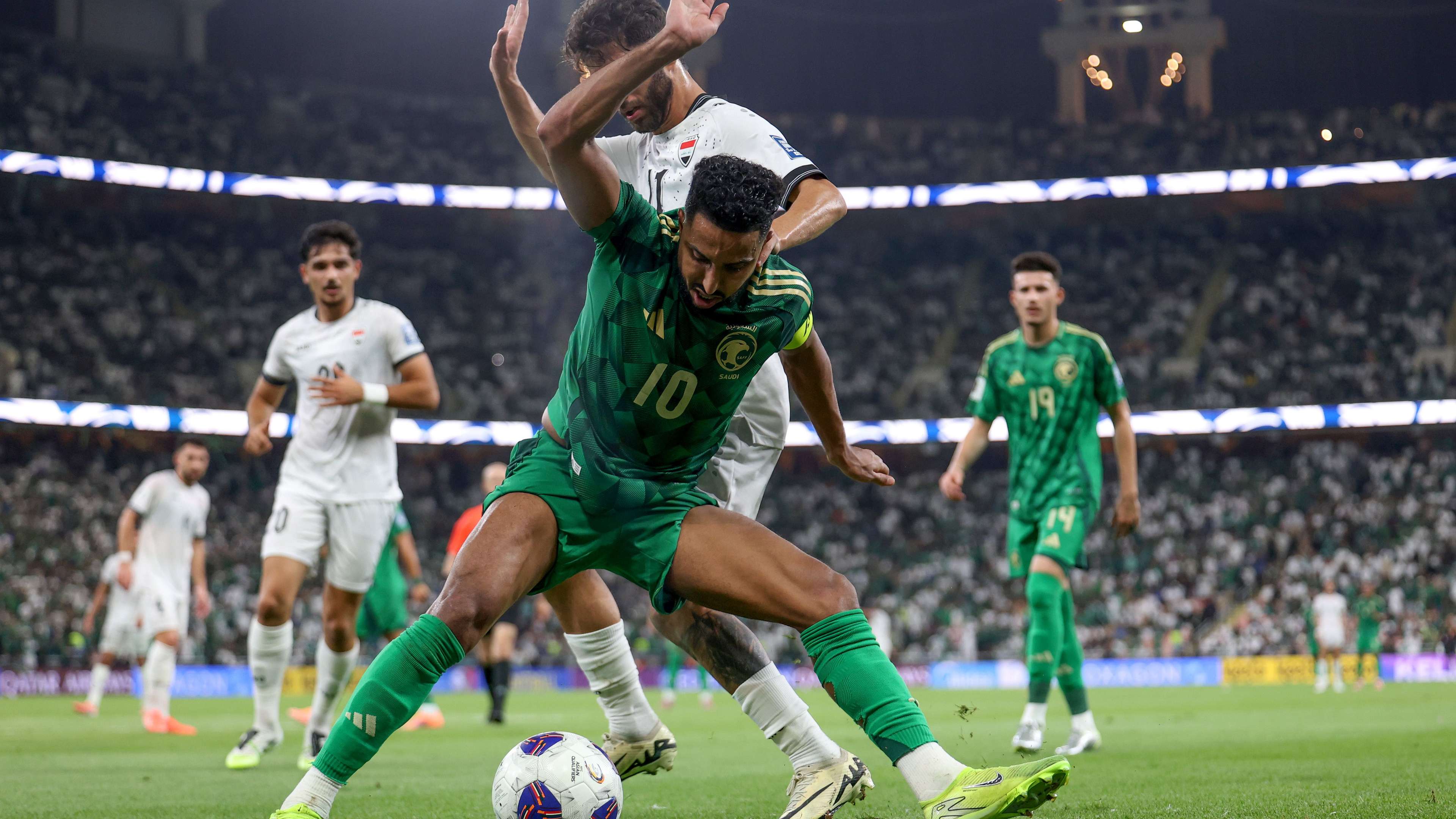
The upcoming encounter between Saudi Arabia and Iraq in the final group stage match of the Arabian Gulf Cup, also known as Gulf 27, has quickly turned into more than just a routine football fixture. As both nations prepare to face off, a wave of tension and controversy has swept through the football community, highlighting the deep-rooted rivalry that has characterized their encounters for decades. With the stakes high and emotions running even higher, this match promises to be more than a game—it’s a reflection of longstanding national pride, sporting history, and lingering disputes.
Historical Context: The Roots of the Saudi Arabia vs. Iraq Football Rivalry
The rivalry between Saudi Arabia and Iraq in football is built on years of competitive clashes, political tensions, and passionate fan support. Both nations boast rich football traditions and have experienced moments of glory and disappointment on the international stage. Their encounters in regional tournaments like the Gulf Cup have often been marked by intensity, with supporters of both sides viewing each match as a symbolic battle for regional dominance.
Over the years, these matches have sometimes spilled over into heated exchanges off the pitch, fueled by national pride and political undercurrents. The rivalry reached a notable peak during recent Gulf Cups, where incidents of trash talk, controversial refereeing decisions, and emotionally charged reactions have kept the rivalry alive and fiery.
Recent Controversies: Past and Present Fueling the Tensions
The Younis Mahmoud Incident: A Spark from the Past
In the last Gulf Cup, the rivalry took a dramatic turn when former Iraqi striker Younis Mahmoud made provocative remarks about Saudi Arabia’s chances of winning the tournament. Responding to a journalist’s question, Mahmoud laughed off the notion of Iraq’s potential to lift the trophy, seemingly mocking Saudi ambitions. His comments ignited a firestorm among Saudi fans, who perceived it as a direct insult to their team’s capabilities.
This incident was more than just trash talk; it struck a nerve in both communities. The fallout extended beyond social media, leading to tense moments before the match where emotions ran high. Saudi Arabia’s 3-1 victory over Iraq further intensified the rivalry, with supporters and analysts revisiting Mahmoud’s comments and questioning the sportsmanship of both sides.
The Current Atmosphere: Nashat Akram’s Criticism and the Ongoing Dispute
Now, as the Gulf Cup enters its final group stage, new controversies have emerged. Nashat Akram, a respected former Iraqi international and a football pundit, recently voiced his harsh criticism of the tournament’s current edition. Describing it as “the worst in years,” Akram pointed to what he called “poor television coverage” and perceived organizational shortcomings. His remarks, aimed at the tournament organizers, quickly drew a wave of criticism from Saudi fans, who accused him of undermining the competition and disrespecting the tournament’s integrity.
This clash of opinions has reignited old tensions, with social media becoming a battleground for opposing supporters. Saudi fans, in particular, have responded fiercely to Akram’s comments, framing them as disrespectful towards the Gulf Cup and, by extension, to Saudi football itself. The controversy has added an extra layer of intensity to the upcoming match, elevating it from a simple group-stage game to a symbolic showdown laden with national pride and controversy.
The Significance of the Upcoming Match: Beyond the Prediction
While football predictions often focus on tactical analysis, team form, and player performance, the Saudi Arabia vs. Iraq fixture this time carries an emotional weight that transcends the pitch. The match is viewed by many as a test of resilience and pride, with supporters eager to see their team assert dominance amid the mounting controversy.
From a purely football perspective, analysts are predicting a fiercely contested game. Saudi Arabia, historically one of the strongest teams in the Gulf region, comes into the match with confidence, especially after their recent victory. Iraq, on the other hand, has a resilient squad eager to redeem themselves and prove that they can still compete at the highest level despite recent setbacks.
What Could Be the Key Factors in the Prediction?
In terms of football prediction, several critical factors could determine the outcome of this high-stakes encounter:
- Team Form: Saudi Arabia has shown consistency and tactical discipline, often relying on their organized defense and quick counter-attacks. Iraq, meanwhile, has experienced fluctuations in form but maintains a talented core capable of creating scoring opportunities.
- Player Availability: The injury status of key players will be crucial. Notably, Nawaf Al-Aqidi’s injury has been a blow to Saudi Arabia, potentially impacting their defensive solidity. Iraq’s squad depth will be tested if they are to exploit any weaknesses.
- Psychological Edge: The emotional undercurrents stemming from recent controversies could influence team performances. Teams with greater mental resilience are likely to perform better under pressure.
The Broader Impact: Football as a Reflection of Regional Tensions
This fixture exemplifies how football in the Gulf region is intertwined with national identity and regional politics. The renewed tensions and criticisms underscore the importance of sport as a platform for expressing pride, but also as a stage where underlying disputes can flare up unexpectedly. As the match approaches, players and fans alike are aware that they are not just competing for a place in the semi-finals but are also embroiled in a larger cultural and political narrative.
Conclusion: A Match to Watch with High Expectations
The upcoming Saudi Arabia versus Iraq match at the Gulf Cup promises to be a captivating spectacle, not only for its on-field drama but also for the social and political implications that accompany it. With history, controversy, and fierce rivalry all on display, football prediction experts and fans are eager to see how the teams will navigate this charged environment.
As supporters gear up for what could be a memorable clash, one thing is certain: this game will be remembered for its significance beyond the scoreline. It’s a testament to how football continues to serve as a mirror of regional dynamics, where every goal scored and every comment made adds another chapter to a rivalry that refuses to fade into history.