
The European Summit Witnessing Controversial Refereeing Decisions in Real Madrid vs. Bayern Munich Match
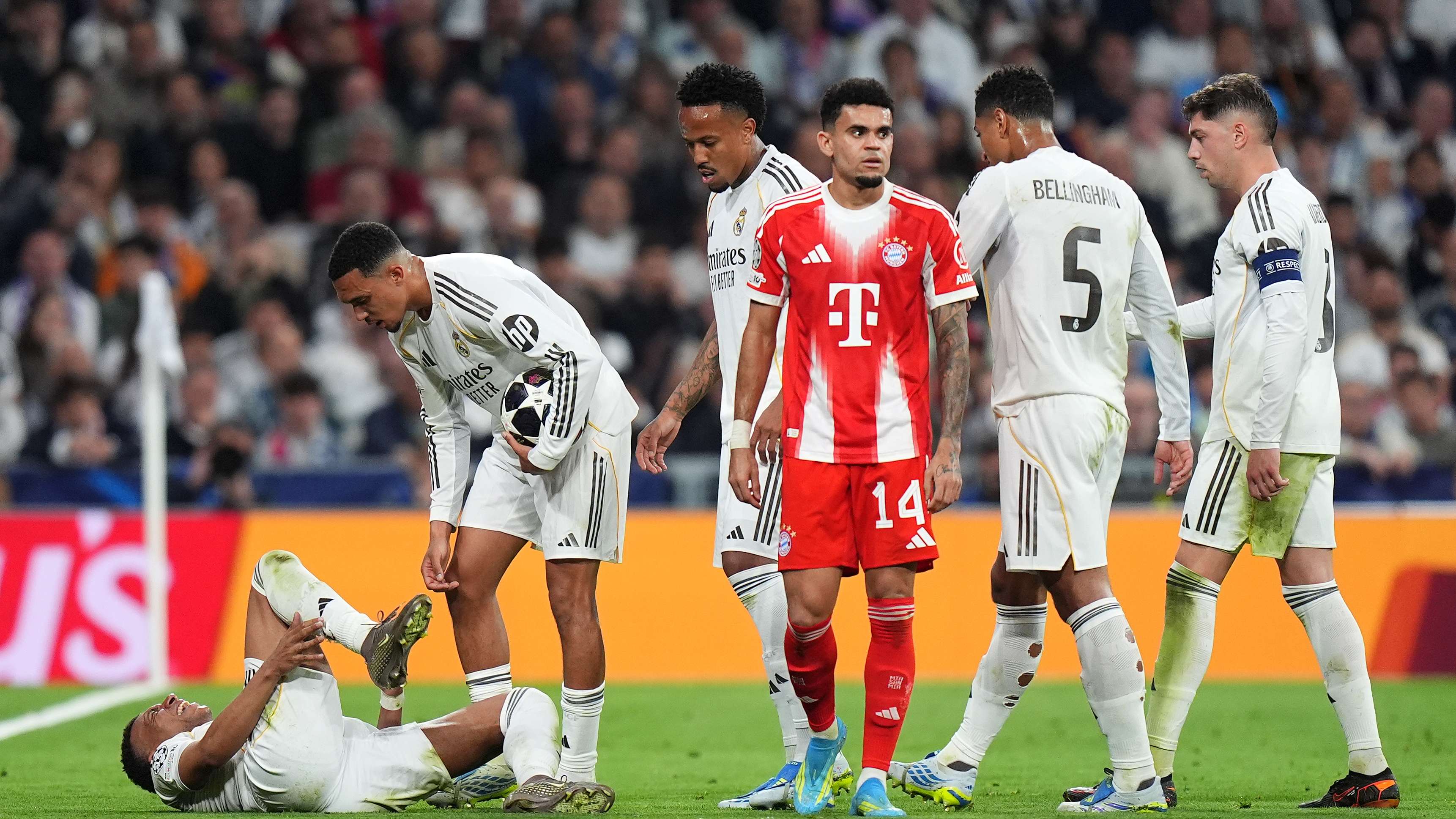
The recent quarter-finals match between Real Madrid and Bayern Munich in the UEFA Champions League has sparked debates and controversies over refereeing decisions. The match ended with Bayern Munich claiming a 2-1 victory over Real Madrid in the first leg, setting the stage for an intense second leg in Munich.
Arbeloa’s Objections Over Mbappé Incident
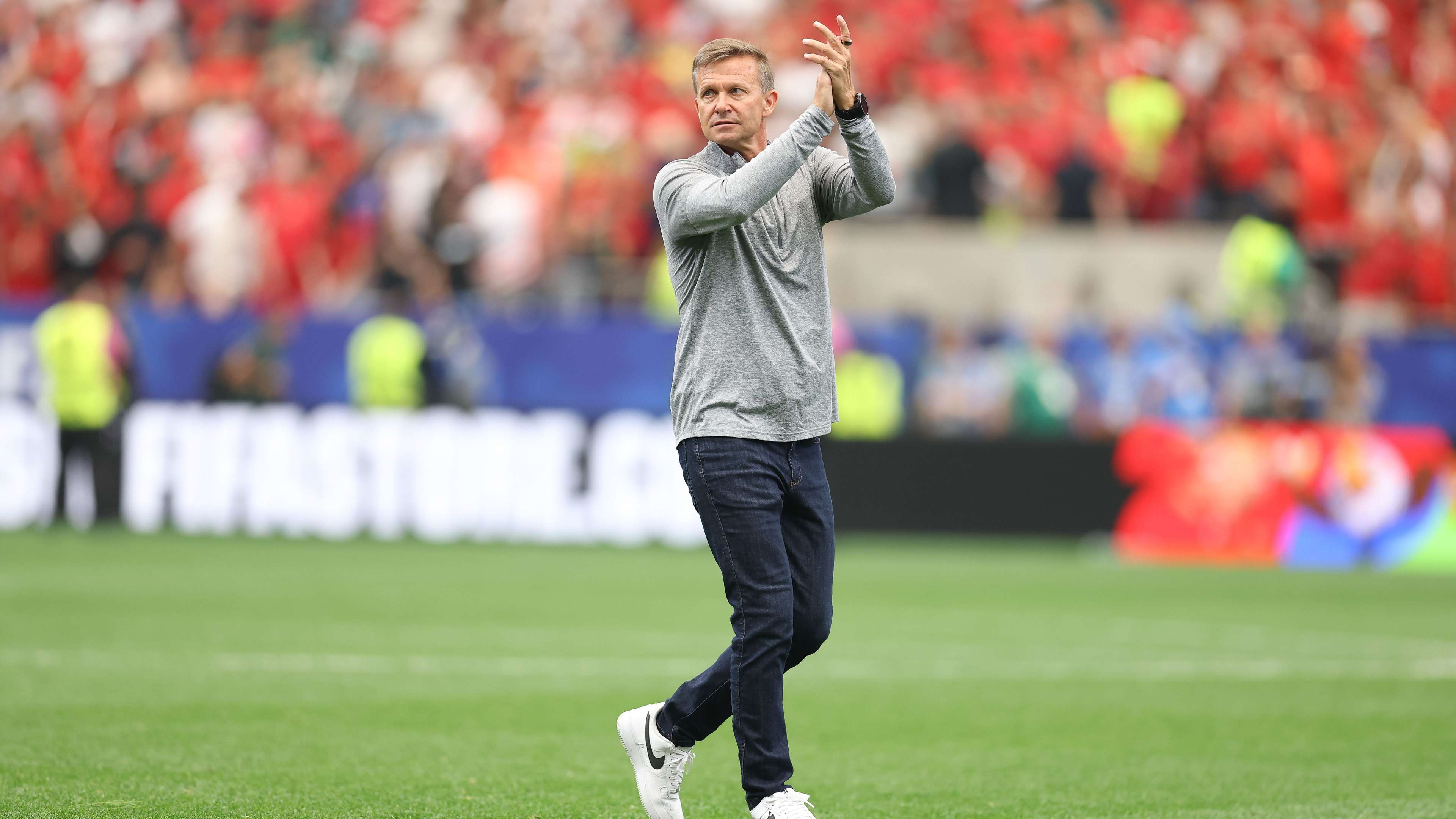
Real Madrid coach Álvaro Arbeloa expressed his dissatisfaction with a particular incident involving Kylian Mbappé and Bayern Munich’s Jonathan Tah. Arbeloa believed that Tah should have been sent off for a harsh challenge on Mbappé, but English referee Michael Oliver only showed a yellow card.
In response to Arbeloa’s objections, the Spanish refereeing-specialist network, Archivo Var, defended Oliver’s decision, stating that it was the correct call. The network analyzed the incident and highlighted that while visually violent, the contact made by Tah on Mbappé did not meet the criteria for a red card, falling instead into a grey area of discretionary calls.
Controversial Penalty Incident Involving Olise
Another contentious moment in the match came in the final minutes when Michael Olise called for a penalty following a challenge from Carreras. Archivo Var explained that while there was contact between the two players, it did not constitute a clear foul that warranted referee intervention. The network described the situation as a ‘grey’ area, where both awarding and not awarding a penalty could be defended.
Expert Analysis and Var’s Verdict
Archivo Var further analyzed the match and concluded that the referee’s decisions in both the Mbappé incident and the penalty claim by Olise were within the realm of acceptable refereeing judgment. The network emphasized that while some may view the incidents differently, they ultimately fell into grey areas that did not necessitate VAR intervention.
Overall, the Real Madrid vs. Bayern Munich match has highlighted the complexities and challenges of refereeing in high-stakes football competitions. As both teams prepare for the second leg in Munich, the controversies from the first leg are sure to add an extra layer of intensity to the upcoming showdown.
Stay tuned for more updates and analysis on the UEFA Champions League quarter-finals as the competition heats up.
Utilizing Data Analytics in Football Predictions
With the advancement of technology and data analytics, football predictions have become more precise and detailed. Analysts and experts now use a combination of historical data, player statistics, team performance metrics, and even referee tendencies to make accurate predictions about match outcomes. These predictions are not only used by fans and enthusiasts for entertainment but also by professional gamblers and betting companies to inform their decisions.
The Impact of Refereeing Decisions on Match Outcomes
Refereeing decisions play a crucial role in determining the outcome of football matches. A single call or non-call can change the course of a game and potentially affect the final result. In the case of the Real Madrid vs. Bayern Munich match, the controversial decisions made by the referee sparked debates and raised questions about the consistency and fairness of officiating in high-profile matches.
Some argue that introducing technologies like VAR (Video Assistant Referee) could reduce the margin for error and minimize controversial calls. However, others believe that human judgment and interpretation are an inherent part of the game and add to its unpredictability and drama.
The Psychology of Refereeing Decisions
Psychological factors also play a significant role in refereeing decisions. Referees may be influenced by crowd reactions, player behaviors, team reputations, and even their own biases and experiences. These subconscious influences can impact their judgment on the field and lead to contentious calls that spark debates and controversies long after the match is over.
Creating a Fair and Transparent Officiating System
To ensure fairness and transparency in officiating, football governing bodies continue to explore ways to improve the refereeing system. Training programs, performance evaluations, and technology integration are all part of the ongoing efforts to enhance the quality of refereeing in football matches. By creating a more consistent and accountable officiating system, stakeholders hope to minimize controversies and uphold the integrity of the sport.
Looking Ahead to the UEFA Champions League Quarter-Finals
As the UEFA Champions League quarter-finals progress, fans and analysts eagerly anticipate more thrilling matches and unpredictable outcomes. With top teams battling for a spot in the semi-finals, every decision, goal, and moment of brilliance will be analyzed and dissected. The controversies from the Real Madrid vs. Bayern Munich match serve as a reminder of the drama and excitement that football brings, as well as the challenges and complexities of predicting match results in such a dynamic and unpredictable sport.
Stay tuned for more updates, analysis, and insights as the UEFA Champions League quarter-finals unfold, and the race to the final intensifies.