
Al-Nassr’s Winning Run Has Not Silenced the Critics Around Ange Postecoglou
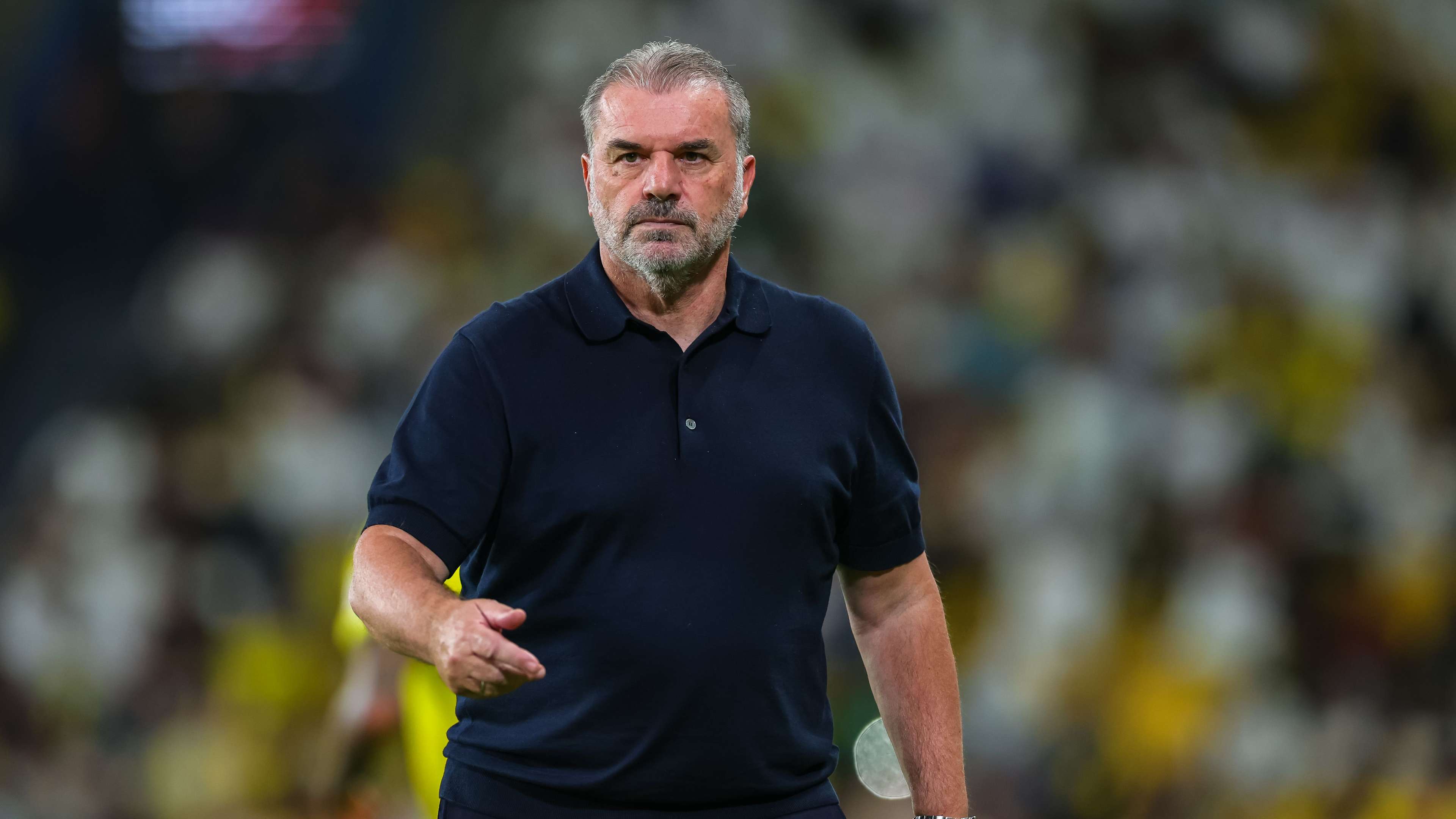
Al-Nassr continue to collect points in the Saudi Pro League, but results alone have not eased the pressure on coach Ange Postecoglou. A narrow 1-0 victory over Neom on matchday 10 kept the Riyadh club firmly in the title picture, yet the team’s uneven performances have prompted another round of questions about the Australian’s tactics and coaching credentials.
The latest criticism came from Saudi media personality Turki Al-Ajma, who used his programme Al-Mansa on the Thmanyah network to deliver a blunt assessment. Al-Ajma argued that a coach should be judged first and foremost on technical decisions, tactical organisation and the way a team performs on the pitch—not simply on motivational speeches or public-facing communication.
“The most important thing for me regarding Postecoglou is that he be skilled in coaching, but he is not,” Al-Ajma said. He also questioned the praise Postecoglou has received for his dressing-room talks, suggesting that speeches cannot make up for what he sees as shortcomings in the team’s football.
A narrow win, but familiar questions
Al-Nassr’s victory over Neom was valuable, particularly in a tightly contested title race. However, the scoreline offered little room for comfort. A one-goal margin can reflect strong defensive discipline and effective game management, but it can also intensify scrutiny when supporters expect a star-studded side to dominate more convincingly.
That tension has become a recurring feature of Postecoglou’s spell at the club. Al-Nassr are winning often enough to remain near the top of the standings, but their performances have not always appeared consistent from one match to the next. For critics, the concern is not simply whether the team gets three points; it is whether the playing style, tactical structure and attacking threat are developing at the level expected.
Football supporters often judge a coach through several lenses at once: results, player development, tactical flexibility and the ability to control matches. A team can win while still leaving questions unanswered, especially when it struggles to turn possession or attacking talent into clear chances. Conversely, a narrow result does not automatically indicate poor coaching. The broader pattern across a season matters more than one scoreline.
The comparison with Jorge Jesus remains a challenge
Much of the debate around Al-Nassr is shaped by comparisons with last season, when Portuguese coach Jorge Jesus led the team. Changes in coaching can alter a side’s rhythm, pressing habits, defensive shape and approach to building attacks. Even when the squad remains competitive, supporters may notice differences in tempo and organisation—and measure the new coach against the standard they remember.
That comparison can be difficult for Postecoglou to escape. Expectations are especially high at Al-Nassr, a club with a prominent profile, ambitious objectives and players capable of attracting international attention. When the team produces a less convincing display, the contrast with previous performances becomes part of the conversation. The challenge for the coach is to establish a recognisable identity while delivering results quickly enough to satisfy a demanding audience.
Still, comparisons between coaching eras do not always tell the full story. A team’s form can be affected by injuries, player availability, fixture congestion and the time required for a new tactical approach to take hold. Those factors do not eliminate responsibility for performances, but they can help explain why a side may look less fluent during a transition.
What the league table says about Al-Nassr
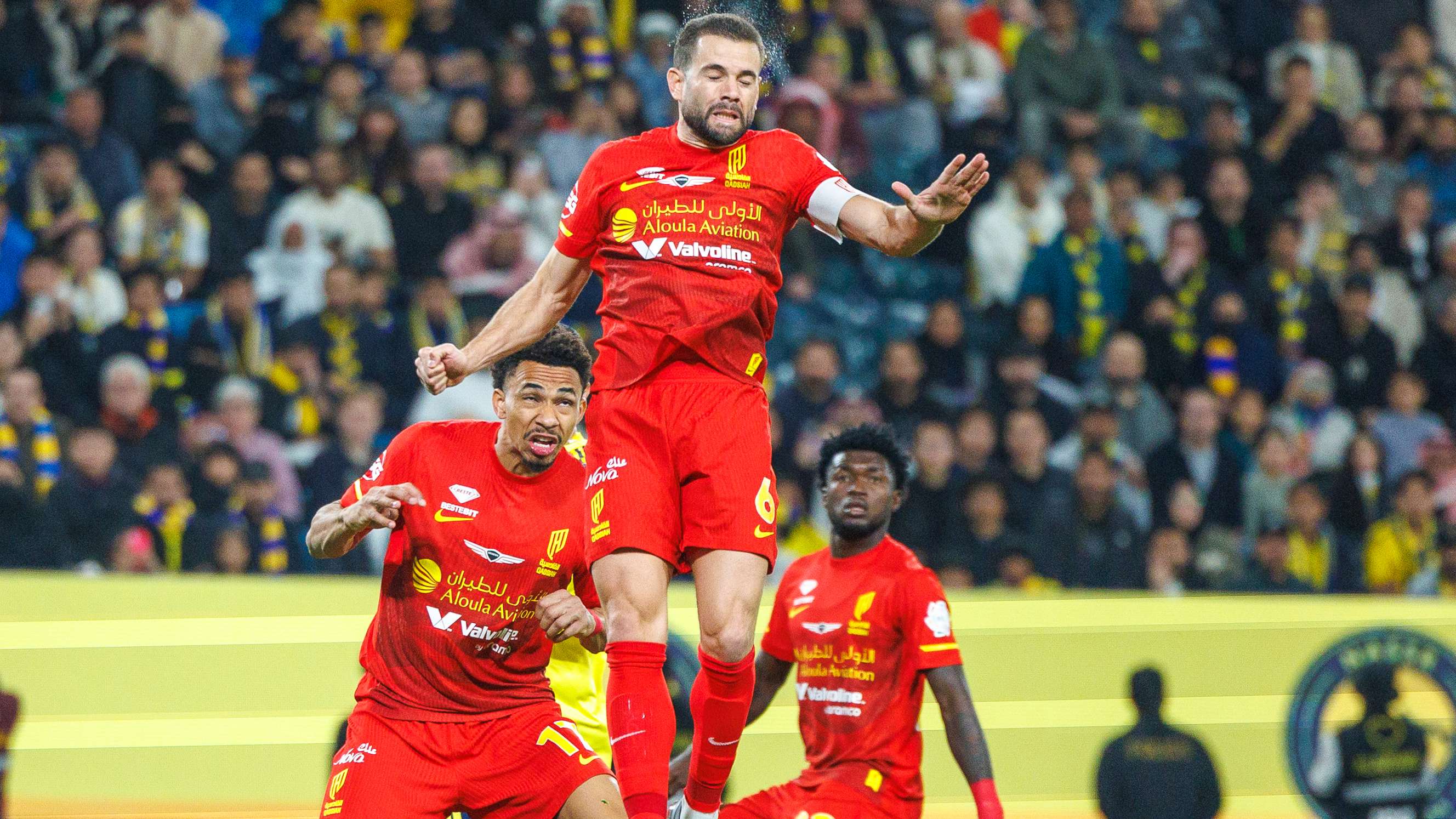
Despite the criticism, Al-Nassr remain well placed in the Saudi Roshn Pro League. After 10 matchdays, the club sit third with 20 points. They are four points behind leaders Al-Qadsiah and two behind second-placed Al-Hilal, leaving the title race open and the gap manageable.
That position gives Postecoglou some protection from the argument that the campaign is already faltering. Al-Nassr are close enough to the summit to shape the race, and a strong run could quickly change the mood around the team. At the same time, the standings also underline why every dropped point—and every unconvincing performance—is being examined so closely. With rivals within reach, consistency could prove more important than occasional flashes of quality.
For fans assessing the season, the key question is whether Al-Nassr can combine their results with a more convincing level of control. Can they create chances more regularly? Can they maintain their intensity across 90 minutes? And can Postecoglou adapt his approach when opponents limit the team’s preferred routes forward? Those details will shape the debate as much as the league position.
Al-Fayha next in a crucial test
Al-Nassr’s next assignment is against Al-Fayha on Friday afternoon in matchday 11. The fixture offers an immediate opportunity to respond on the pitch, strengthen their position and build momentum before the season’s demands intensify. Al-Nassr won the corresponding competition in the previous edition, adding another layer of expectation to their campaign.
The match will also provide a useful test of the team’s ability to turn criticism into a focused performance. A convincing display could reinforce the view that the Neom result was simply a difficult, tightly managed game. Another hesitant outing, even if it ends in victory, would likely give critics fresh material and keep questions about the team’s tactical progress in circulation.
Prediction: pressure remains, but the title race is open
Any prediction about Al-Nassr’s season should account for both sides of the picture: the club are close to the league leaders, but their performances have not consistently matched the expectations attached to the squad. The next few fixtures could reveal whether Postecoglou is building toward a more settled and effective style or whether the same concerns will continue to surface.
For now, the fairest assessment is that results are keeping Al-Nassr firmly in contention, while performances are keeping the debate alive. Postecoglou will not silence every critic with one win, but a run of controlled, confident football could shift the conversation. In a competitive Saudi Pro League campaign, the strongest response is likely to come through improved organisation, sharper attacking play and consistent points—not words alone.