
Saudi Arabia’s Football Team Faces Crucial Challenge Ahead of Gulf Cup 2023: Disciplinary Crisis and Tactical Rebuilding
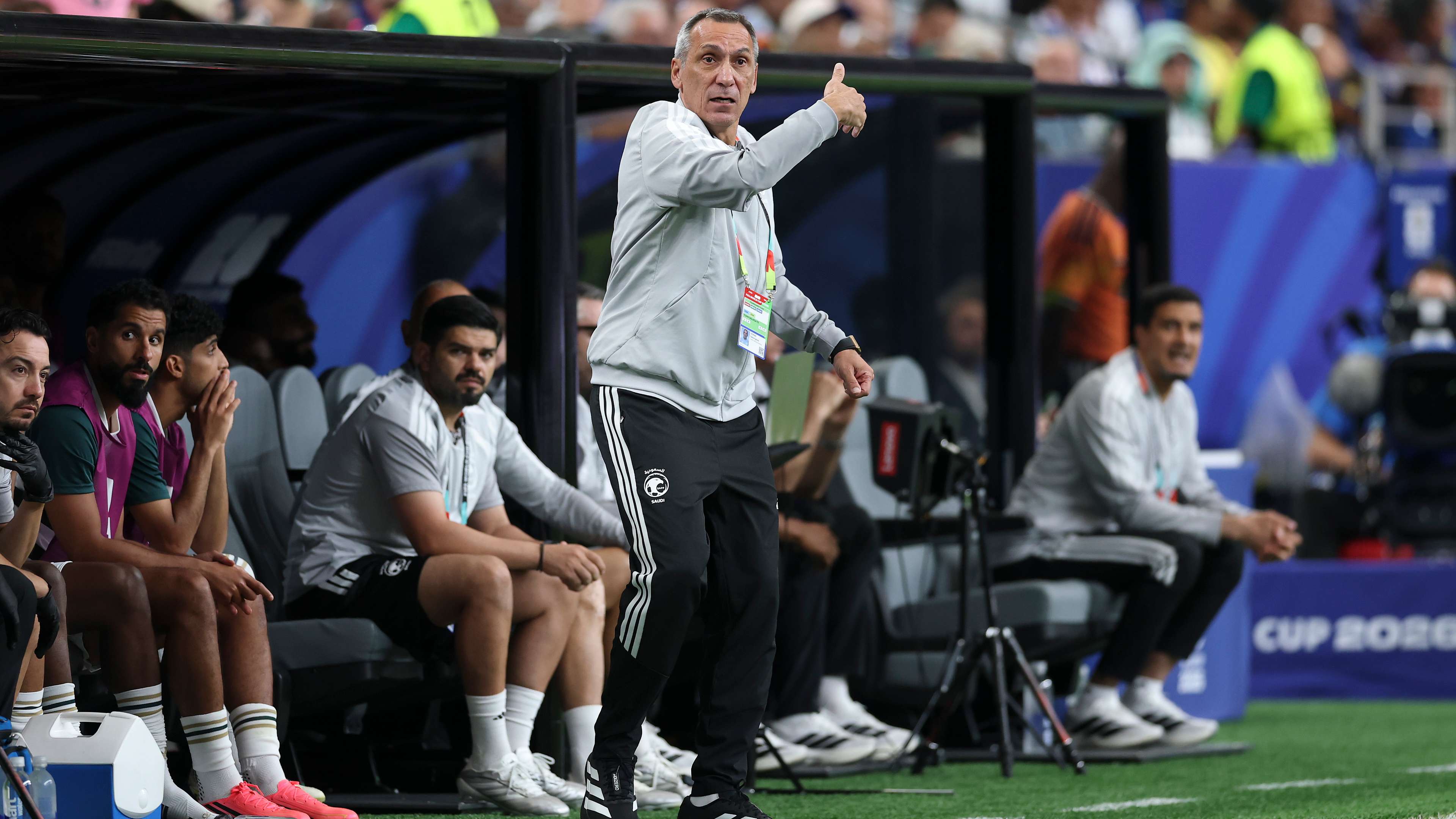
The Saudi Arabian national football team is entering a pivotal phase ahead of the upcoming Gulf Cup 2023, with high stakes and intense scrutiny on their preparations. Just days before the tournament’s commencement, the team faced an unexpected and significant setback when midfielder Musab Al-Juwayr was excluded from the squad due to disciplinary issues. This unexpected turn of events has not only tested the team’s discipline but also posed a substantial tactical challenge for head coach Georgios Donis as he seeks to maintain the team’s competitive edge in the tournament.
Disciplinary Dilemma Sparks Controversy and Reflection
The decision to exclude Musab Al-Juwayr from the Saudi Arabia squad was made by the technical and administrative staff in a move aimed at upholding discipline and team standards. While the exact details surrounding the incident remain confidential, the impact of such a decision is clear: it sends a strong message about accountability and professionalism within the squad.
In response to the controversy, Al-Juwayr issued a heartfelt statement via his Instagram account, acknowledging his mistake without attempting to justify it. His public apology extended to key figures such as the Minister of Sport, the Saudi Football Federation president, his teammates, and the passionate fans who support the team. This display of humility and responsibility has garnered respect and highlighted the importance of discipline in maintaining team unity and focus ahead of a major tournament.
The Tactical Implications: Rebuilding the Midfield
Al-Juwayr’s absence presents more than a disciplinary challenge; it strikes at a core element of the team’s tactical setup. Known for his versatility in midfield, he plays a crucial role as an advanced playmaker capable of dropping back to support the defense, orchestrating attacks, and controlling the rhythm of the game. His presence on the pitch provides the team with a vital link between defense and attack, enabling Saudi Arabia to dictate play and maintain possession under pressure.
In response, coach Georgios Donis has called up Mukhtar Ali to fill the void left by Al-Juwayr. However, this decision underscores a broader tactical dilemma: Mukhtar Ali does not exactly replicate Al-Juwayr’s playmaking qualities. While Ali offers strength in central midfield, defensive stability, and a different kind of balance, he lacks the same offensive creativity and tempo-setting ability that Al-Juwayr provided. This disparity means that Saudi Arabia must rethink its midfield strategy rather than simply slotting Mukhtar Ali into the same role.
Strategic Adjustments and Team Dynamics
The challenge for Donis is to adapt his tactical approach to accommodate the absence of one of his key midfielders. This could involve redistributing responsibilities among other players or adopting a new formation that emphasizes team cohesion over individual roles. For instance, the coach might deploy a more defensive setup, relying on collective pressing and positional discipline, or introduce a combination of players to share the creative workload.
Moreover, the situation presents an opportunity for the coaching staff to demonstrate tactical flexibility. By spreading Al-Juwayr’s responsibilities across multiple players, Donis can foster a more adaptable and resilient midfield—an essential trait in high-stakes tournaments like the Gulf Cup. This approach not only mitigates the impact of the disciplinary breach but also enhances the team’s overall tactical depth.
Historical Context and the Significance for Saudi Football
Saudi Arabia’s football team boasts a rich history of regional dominance and significant achievements, including multiple Gulf Cup titles and strong performances in Asian competitions. However, recent years have seen a mix of setbacks and rebuilding efforts. The current crisis underscores the importance of discipline and strategic planning in maintaining the team’s stature and competitiveness on the regional stage.
The Gulf Cup 2023 offers a platform for Saudi Arabia to reaffirm its footballing pedigree, but success will hinge on effective squad management and tactical innovation. This incident with Al-Juwayr acts as a reminder that discipline off the pitch often translates into performance on the pitch, and that adaptability is essential when facing unforeseen challenges.
Looking Ahead: The Road to Success in the Gulf Cup
With the tournament just around the corner, Coach Donis faces a critical test: how to effectively replace a key creative midfielder without losing the rhythm and control that have been hallmarks of his team’s style. The immediate solution will likely involve a combination of strategic reshuffling and tactical adjustments, emphasizing teamwork and collective responsibility over individual brilliance.
Analysts and fans alike are eager to see how Saudi Arabia’s squad will evolve on the field. Will the team maintain its offensive flair and midfield dominance despite the absence of Al-Juwayr? Or will the adjustments lead to a more cautious, defensively solid approach? The prediction for the team’s performance will depend heavily on how well Donis manages this transition and whether the players can adapt swiftly to their new roles.
Expert Predictions and Expectations
Football experts suggest that Saudi Arabia’s success in the Gulf Cup hinges on tactical flexibility and discipline. The team’s ability to collectively fill the void left by Musab Al-Juwayr could determine their prospects of lifting the trophy. Many anticipate a more balanced approach, with a focus on maintaining possession and controlling the tempo, leveraging the strengths of players like Mukhtar Ali and others in the squad.
Additionally, the match against Kuwait, scheduled for September 24, 2023, at 02:00 local time, will serve as a critical test for Donis and his revamped midfield. This fixture will reveal whether the team’s strategic adjustments are effective and whether they can impose their style of football despite the disruption.
Conclusion: A Test of Disciplinary and Tactical Resilience
The disciplinary incident involving Musab Al-Juwayr has undoubtedly shaken the Saudi football community, but it also provides an important lesson in resilience and adaptability. For coach Georgios Donis, the challenge now is to craft a cohesive, competitive squad capable of overcoming the loss of a key playmaker and to do so under the intense pressure of an imminent tournament.
As the Gulf Cup 2023 approaches, all eyes will be on how well Saudi Arabia’s team can translate discipline and tactical ingenuity into on-field success. Their prediction? A test of character and strategy—one that could define the future trajectory of Saudi football on the regional and continental stage.
Stay tuned for comprehensive coverage, expert analysis, and live updates as Saudi Arabia aims to reclaim glory in this prestigious regional competition. The road to victory may be more challenging than ever, but with the right adjustments, their football prediction remains optimistic.