
Real Madrid Delays Debate on Proposed Club Ownership Changes
Real Madrid is preparing for its annual general assembly of members, scheduled for the morning of Saturday, 21 November, on a day when the first team is also due to face Celta Vigo. Yet one of the most consequential subjects facing the club—possible changes to its legal structure—will not be put to a vote at the meeting.
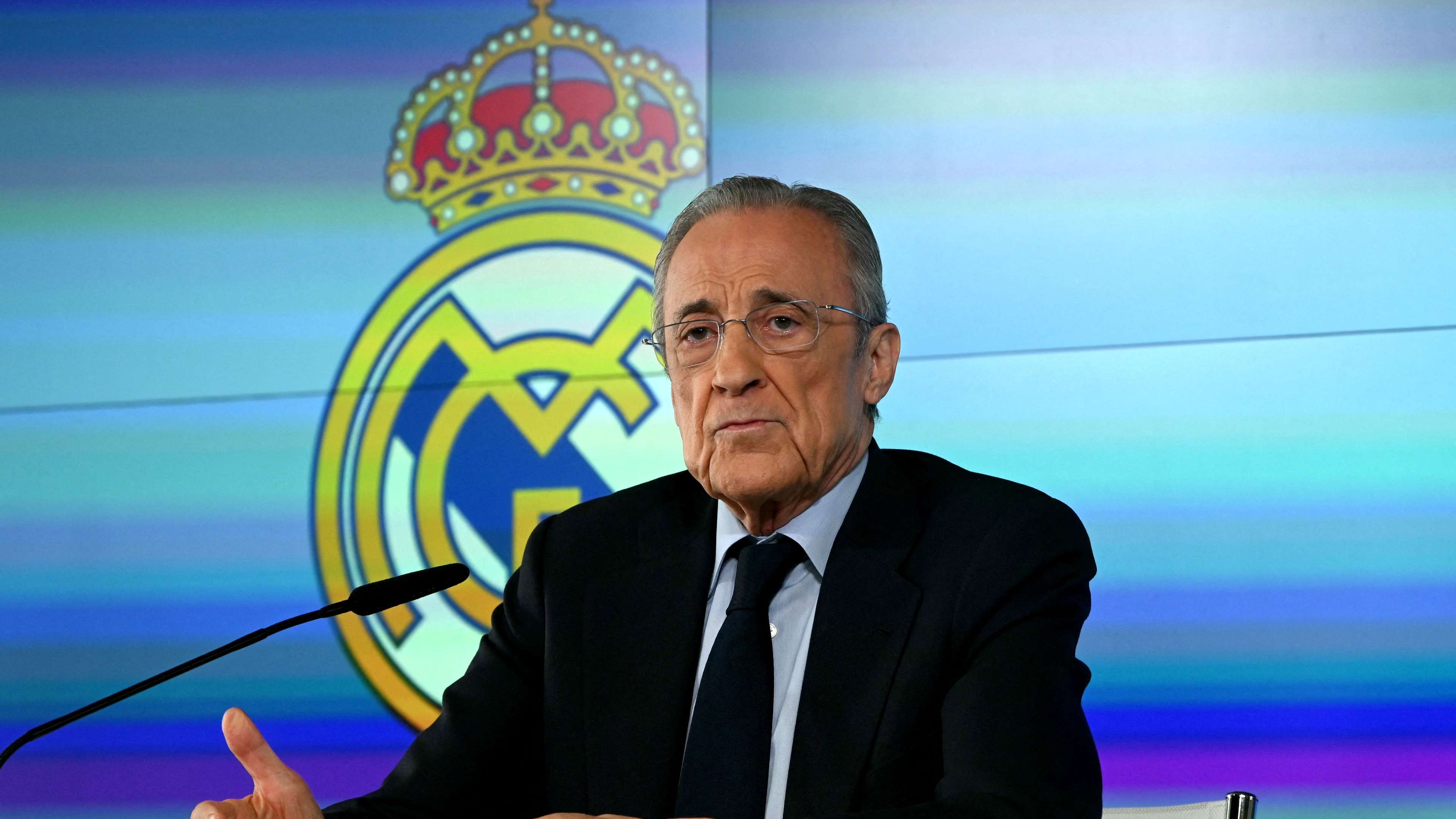
The assembly will be the first gathering of Real Madrid president Florentino Pérez and his board with member representatives since Pérez won the club’s elections in June. While the meeting will cover familiar governance and financial matters, reports from Spanish newspaper AS indicate that the published agenda will not include a proposal to amend the club’s statutes or alter its legal form.
The delay reflects the scale and complexity of the issue. Real Madrid’s leadership is still examining how such a fundamental change could be carried out, what legal consequences it might bring and how the interests of the club’s membership would be protected. For now, the board has not presented a formal proposal for representatives to debate or approve.
Why Real Madrid Is Considering a Structural Change
Pérez has previously outlined his concerns about safeguarding Real Madrid’s assets and long-term independence. At last year’s general assembly, he argued that the club should explore measures to protect it from potential threats, both from outside and within the organisation. A central principle of his plan, as he described it, is to ensure that Real Madrid’s roughly 100,000 members remain recognised as the club’s true owners.
The discussion touches on more than administrative details. Any change to Real Madrid’s legal status could affect how the club is governed, how ownership rights are defined and what protections are available for its assets. It would also need to preserve the member-based model that distinguishes Real Madrid from clubs owned by private investors or corporate groups.
That balance helps explain why the board is proceeding cautiously. A proposal of this magnitude would need to be carefully assessed before it could be put before members. Legal complications and the potential consequences of restructuring have persuaded club officials not to rush the process, even as the subject remains part of the wider conversation about Real Madrid’s future.
Any Final Decision Would Involve Members
Pérez has said that the proposal would follow a multi-stage process rather than being decided by the board alone. He indicated that an extraordinary general assembly could be called when the club is ready to present the plan. Member representatives would then have the opportunity to consider it and provide an initial approval.
Under the process he described, that would not necessarily be the final step. The initiative would also need to be submitted to a referendum involving the club’s full membership. Such a vote would give members a direct role in deciding whether Real Madrid should proceed with a change that could reshape its governance arrangements.
For supporters following the club’s institutional affairs, the absence of the issue from November’s agenda is therefore a postponement, not confirmation that the idea has been abandoned. The board has yet to publish a formal plan or timetable, leaving important questions unanswered—including what precise legal structure might be considered and how existing member rights would be protected.
Record Revenues Feature on the Assembly Agenda
Although the proposed restructuring will not be discussed formally at this meeting, members are expected to vote on the club’s financial accounts for the previous season, in keeping with the usual assembly procedures. Real Madrid reported record revenue of €1.221 billion, marking the third consecutive time the club has surpassed the €1 billion threshold.
The result underlines the scale of Real Madrid’s commercial and sporting operation. Revenue at that level can support investment across the club, including its first-team squad, facilities, academy and wider business activities. It also provides important context for the debate over ownership and governance: the organisation is considering how to protect a valuable global institution while maintaining the role of its members.
Financial performance and legal structure are separate matters, but they are closely connected in the broader question of how Real Madrid should be managed over the long term. The club’s members will be asked to approve the accounts, while any proposal to change the statutes will require its own detailed review and decision-making process.
Football Focus as Celta Vigo Visit
The timing of the assembly brings club governance into focus on a day that will also carry sporting significance. Real Madrid are scheduled to meet Celta Vigo, meaning attention will be divided between the boardroom and the football pitch. The match will provide the immediate competitive storyline, while the assembly offers members a chance to review the club’s finances and hear from its leadership.
For fans considering a football prediction ahead of the fixture, the assembly itself offers no direct indication of how the match will unfold. Team selection, recent form, injuries and tactical choices will remain more relevant factors. Still, the meeting highlights how a club’s sporting ambitions sit alongside broader decisions about financial stability and institutional identity.
Real Madrid’s November gathering is expected to address routine governance and a record-breaking financial year, but not the potential transformation of the club’s legal framework. Pérez has left open the possibility of a future extraordinary assembly and a membership-wide referendum. Until the board completes its legal work and presents a concrete proposal, the question of how Real Madrid will protect its assets while preserving member ownership remains unresolved.