
Aboutrika Praises Real Madrid’s Dominant First Half Against Barcelona
Mohamed Aboutrika has described Real Madrid’s first-half display against Barcelona in Sunday’s La Liga Clasico as a performance of exceptional quality, praising the team’s intensity, organisation and attacking threat. The former Egypt international said Madrid’s opening 45 minutes recalled the standard he associated with Jose Mourinho’s side, as the hosts took a deserved lead into the interval.
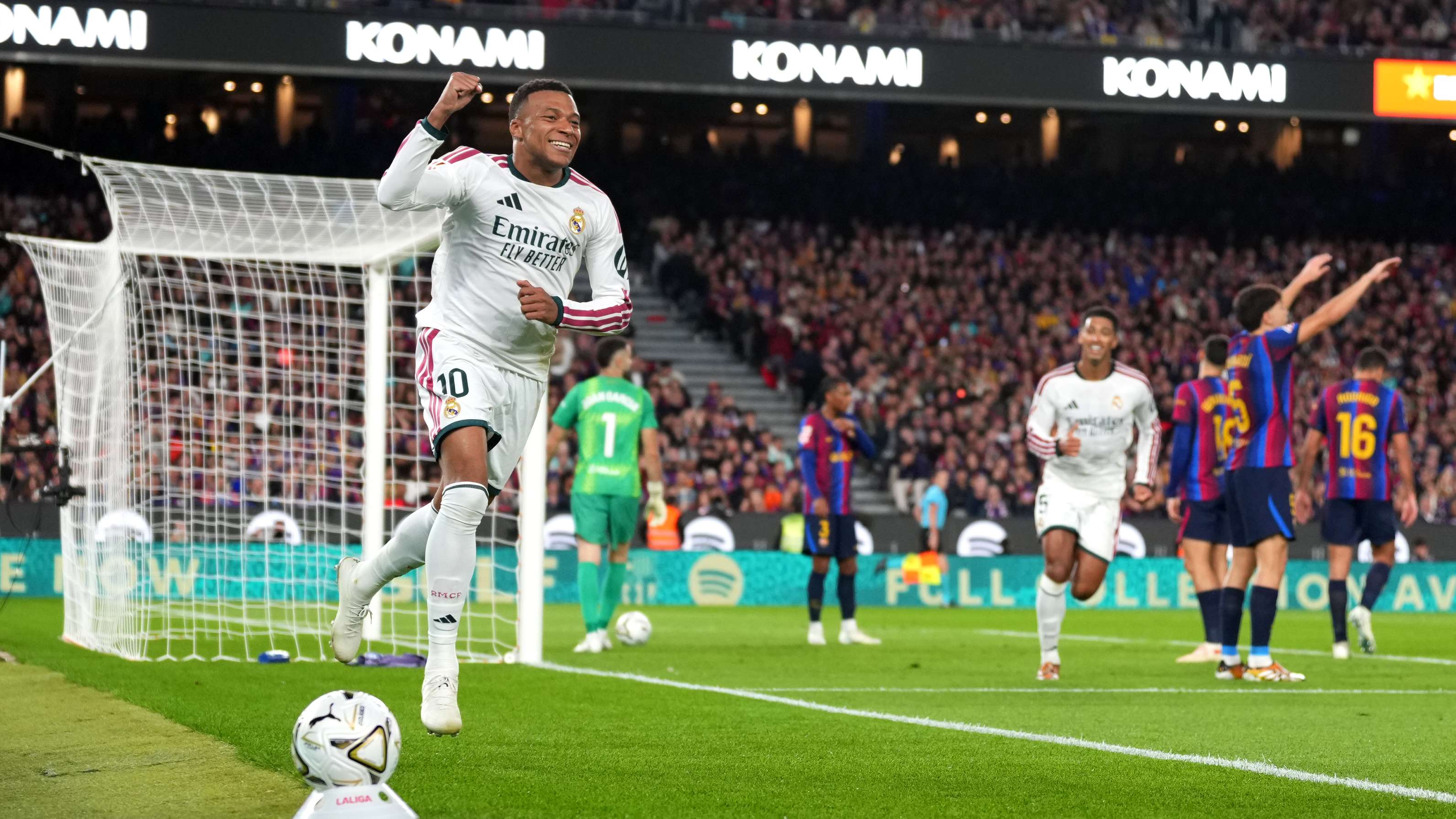
Kylian Mbappe scored the only goal of the half, giving Real Madrid a 1-0 advantage. But Aboutrika’s analysis on beIN Sports focused on more than the finish: he highlighted Madrid’s ability to control key areas of the pitch, disrupt Barcelona’s build-up and create several promising opportunities.
Aboutrika: Madrid showed character and control
“This is Real Madrid’s best half with Jose Mourinho, and this is the level I expected after seeing the line-up,” Aboutrika said. His comparison was a measure of the team’s competitive edge and tactical discipline, rather than a suggestion that Mourinho was involved in the current match.
Aboutrika said Madrid looked noticeably different from a side simply relying on individual moments. In his view, the players showed character from the opening stages, offered passing options across the field and worked together to keep Barcelona from settling into their usual rhythm. That balance between defensive pressure and forward movement helped Madrid turn possession into genuine attacking danger.
The former Al-Ahly star singled out Arda Güler, Diomande and Mbappe for praise. He described their contributions as standout performances, pointing to Madrid’s energy and quality in important areas of the pitch. Mbappe’s goal, Aboutrika noted, came after a fortunate contact with his knee, but the striker’s presence in the right place still underlined his ability to influence a major fixture.
Missed chances could have made the scoreline bigger
Although Madrid went into half-time with a narrow lead, Aboutrika believed the score did not fully reflect the balance of play. He argued that Barcelona were fortunate to concede only once, as Madrid wasted three clear chances during the opening period. With better finishing, the home side could have added two or three more goals before the break.
That assessment gives the match an important context for supporters following the Clasico: a one-goal margin can conceal a substantial difference in the number and quality of opportunities. Madrid’s attacking movement created openings, while Barcelona struggled to convert possession into clear chances at the other end.
For Madrid, the missed opportunities also offered a reminder that control must be matched by efficiency. A dominant spell does not guarantee a comfortable result, particularly in a rivalry where Barcelona can respond quickly after the interval. The second half therefore carried added significance: Madrid needed to protect its lead without surrendering the initiative, while Barcelona had to find a more effective route into the game.
Barcelona face questions over midfield and attacking structure
Aboutrika identified disorganisation as one of Barcelona’s main problems in the first half. He said Pedri was losing possession too often and suggested Madrid had closed passing channels that Barcelona’s players normally use to move the ball forward. By limiting those routes, Madrid made it harder for the visitors to connect their midfield with the attack.
Barcelona’s difficulty was not simply about having the ball. The team needed to use possession with greater purpose, find space between Madrid’s lines and provide its forwards with cleaner service. When those connections are missing, even technically gifted players can become isolated, and attacks may break down before they reach the penalty area.
Aboutrika also pointed to the pressure placed on Lamine Yamal, mentioning Cucurella’s pressing as part of the tactical picture. By closing down Barcelona’s wide options and restricting the time available to receive and turn, Madrid sought to prevent Yamal from becoming a consistent source of danger. Such pressure can force a team to adjust its positioning or find alternative ways to progress the ball.
What Barcelona could change after the break
Aboutrika said Barcelona needed to make changes, either through adjustments on the pitch or by introducing players from the bench. He mentioned Adeyemi as a possible option, highlighting the need for fresh energy and a different attacking threat. Any substitution, however, would need to address the underlying issue: Barcelona had to improve its structure as well as its individual output.
A more effective response could involve quicker movement through midfield, better support for the wide attackers and more varied forward runs. Barcelona also needed to reduce avoidable turnovers, particularly in areas where Madrid could immediately launch a counterattack. If the visitors could move the ball beyond Madrid’s first wave of pressure, they would have a better chance of creating opportunities and shifting the momentum.
Madrid, meanwhile, had reasons to remain cautious despite Aboutrika’s praise. The missed chances left the contest open, and Barcelona’s attacking quality meant the lead could not be treated as secure. Maintaining compact defensive spacing while continuing to threaten on the break would be central to Madrid’s second-half approach.
Clasico prediction: Madrid’s control meets Barcelona’s response
Aboutrika’s comments offered a clear reading of the first half: Real Madrid had played with confidence, organisation and purpose, while Barcelona were struggling to create chances and retain control in midfield. Madrid’s 1-0 lead was deserved, in his view, but the missed opportunities left room for a dramatic change after the restart.
For fans considering a football prediction, the key question was whether Madrid could turn its first-half superiority into a decisive result or whether Barcelona’s adjustments would bring the match back into balance. Madrid’s pressing and ability to exploit space gave it a strong platform, while Barcelona needed sharper passing, more support around its forwards and a stronger response from its midfield.
The Clasico’s appeal lies in precisely that uncertainty. A dominant half can shape the match, but it does not settle it. Aboutrika’s analysis captured both sides of the story: Madrid had delivered a powerful statement, yet Barcelona still had time to reorganise and challenge the hosts’ advantage.