
Donald Trump’s Controversial Interventions in Sport Spark Debate and Predictions in Football and Beyond
In recent weeks, the world of sports has found itself embroiled in a whirlwind of controversy, with high-profile political figures making bold interventions that stir debate both within and outside the sporting community. Most notably, former U.S. President Donald Trump has once again inserted himself into the sports discourse, this time targeting American professional basketball and international football. His outspoken remarks, predictions, and calls for renegotiation have sparked widespread discussion about the role of politics in sports, the integrity of major transfers, and the unpredictable nature of football predictions.
Trump’s Interference in American Football and International Soccer
Weeks after igniting controversy with his comments during the 2026 World Cup, Donald Trump has turned his attention back to sports, asserting influence over decisions that could impact players and teams. In a recent statement, Trump revealed that he had lobbied FIFA officials to review and overturn a controversial red card and suspension handed to American striker Folarin Balogun during an international match against Bosnia and Herzegovina. This intervention aimed to ensure Balogun’s availability for the upcoming fixture against Belgium, highlighting the former president’s active engagement in international football matters.
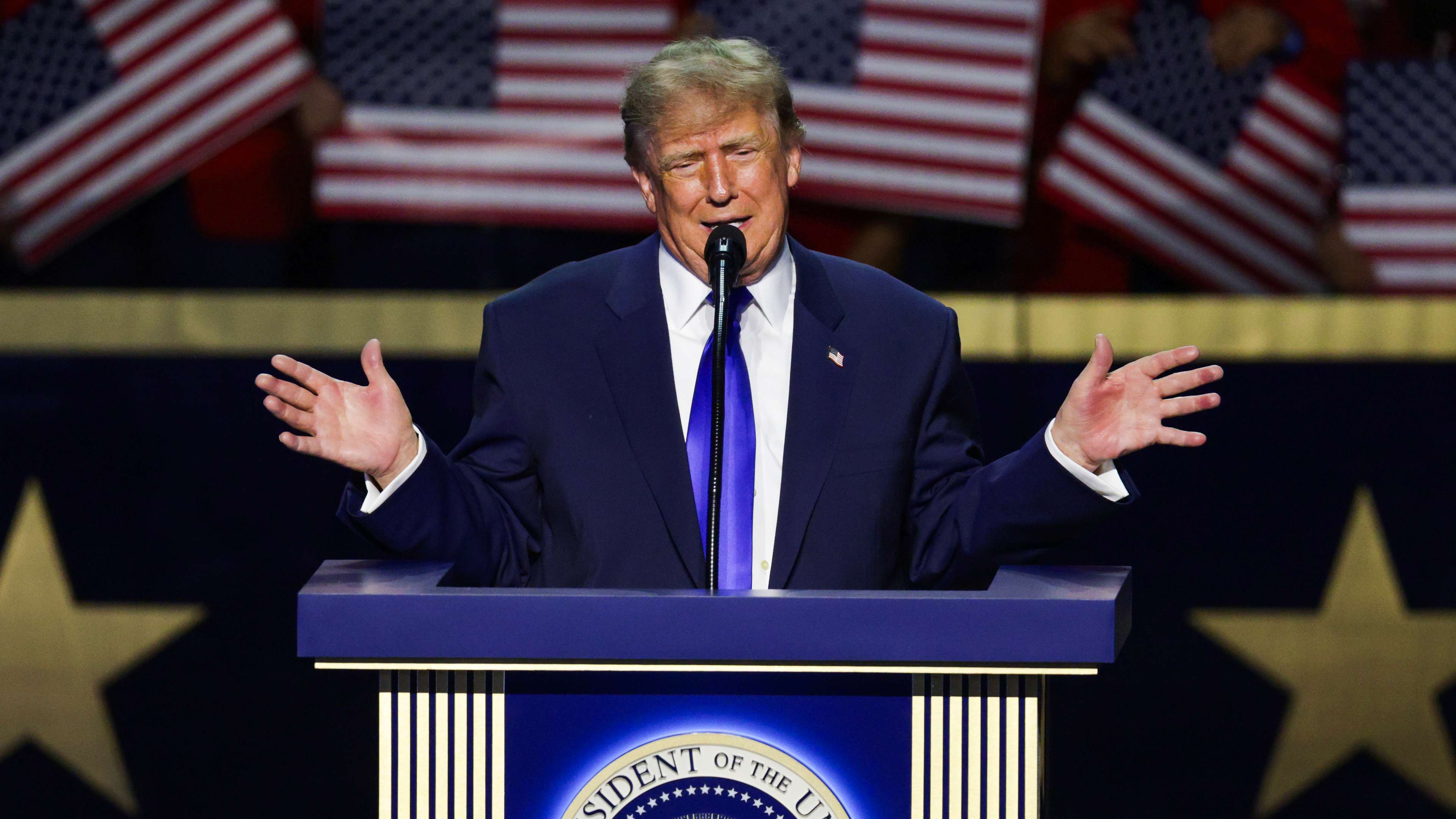
Meanwhile, the political figure took his sports commentary to a different arena—American professional basketball. During a speech at the Republican Party conference in Dallas, Texas, Trump discussed the high-profile Luka Doncic transfer between the Dallas Mavericks and the Los Angeles Lakers. The move, which surprised many analysts and fans alike, drew Trump’s critical attention and prompted him to voice his skepticism about its wisdom.
Unpacking the Luka Doncic Transfer: A ‘Worst Deal’ in Sports History?
According to “Marca,” the Spanish sports newspaper, Trump expressed his confusion over the Doncic deal, stating, “I don’t understand the Doncic deal. What do I know about basketball? I say it won’t go down in history as the greatest deal in sport. In fact, it might go down as the worst deal in sport.” While acknowledging his limited expertise in basketball, Trump’s comments reflect a broader skepticism about high-stakes player transfers and their long-term implications.
Adding to his critique, Trump suggested that the Mavericks should reconsider the move, which involved the Slovenian superstar Luka Doncic—arguably one of the brightest young talents in the NBA. The transfer has already been a hot topic among sports prediction enthusiasts, who analyze such moves for their potential impact on team performance and championship prospects.
Historical Context: Babe Ruth’s Transfer and the ‘Worst Deal’ in Sports
Trump did not stop at basketball. Venturing into baseball history, he declared that the most infamous deal in sports history was Babe Ruth’s 1919 transfer from the Boston Red Sox to the New York Yankees. The deal, valued at $100,000 plus a loan of $300,000, marked the beginning of the Yankees’ dynasty and the Red Sox’s long drought—the so-called Curse of the Bambino.
“The Babe Ruth deal will remain the worst,” Trump asserted, suggesting that this historic transaction set a precedent for questionable sports deals. “But… is the Doncic deal the worst? Maybe we can renegotiate that deal,” he added, emphasizing his belief that sports transfers—much like political negotiations—should be revisited if they do not yield favorable results.
The Significance of Sports Predictions in Modern Football
As football fans and analysts continue to analyze team performances and transfer strategies, predictions play a vital role in shaping expectations. From betting markets to fan discussions, accurate football predictions are highly sought after. Trump’s comments, though rooted in criticism, underscore the importance of strategic decision-making in sports management and the unpredictable nature of football transfers.
In recent years, football predictions have become increasingly sophisticated, integrating data analytics, player form, team dynamics, and even psychological factors. The Luka Doncic transfer, for instance, can be analyzed through various lenses—team chemistry, coaching strategies, and future championship potential. Experts often debate whether such high-profile deals will strengthen or weaken a team’s chances in upcoming tournaments or leagues.
Implications for Sports Fans and Analysts
Trump’s outspoken remarks serve as a reminder that sports are often intertwined with politics, economics, and public perception. For fans and analysts, this intersection creates a fertile ground for discussion and predictions. The ongoing debate about the best and worst sports deals is not only about financial or strategic outcomes but also about legacy and historical significance.
Moreover, these controversies influence betting markets and prediction models, which aim to forecast the outcomes of matches, transfers, and tournaments. As football prediction algorithms become more advanced, understanding the context and potential biases—such as political interference—becomes crucial for accurate forecasting.
Looking Ahead: The Future of Sports Predictions and Political Involvement
As the sports world continues to evolve, the influence of political figures like Trump raises questions about the future landscape of sports management and prediction accuracy. Will political interventions skew decisions, or will they introduce new dynamics that reshape how teams approach transfers and game strategies?
One thing remains clear: the intersection of politics and sports will continue to generate headlines, influence predictions, and shape public perception. For football enthusiasts, understanding these nuances is essential for making informed predictions and engaging in meaningful discussions on forums like Kooora, where fans dissect news, transfers, and match analyses in depth.
Conclusion: The Power of Prediction in Sport and the Role of Controversy
Donald Trump’s recent comments have reignited debates about the integrity of sports deals, the impact of political influence, and the unpredictable nature of football predictions. Whether discussing the infamous Babe Ruth deal or the recent Luka Doncic transfer, his remarks highlight how history, strategy, and controversy shape the sporting landscape.
As fans and analysts continue to scrutinize team moves and predict outcomes, the importance of critical analysis and understanding the broader context cannot be overstated. The world of football, with its passionate predictions and high-stakes transfers, remains a captivating arena where history and future forecasts intertwine, ensuring that debates—like those sparked by Trump—remain central to the sport’s evolving story.