
Harry Kane Could Help Restore English Football’s Image, PR Expert Says
Harry Kane’s influence may extend well beyond the goals he scores. According to public relations and marketing specialist Mark Borkowski, the England captain could become a powerful ambassador for English football at a time when the sport’s reputation is under intense scrutiny.
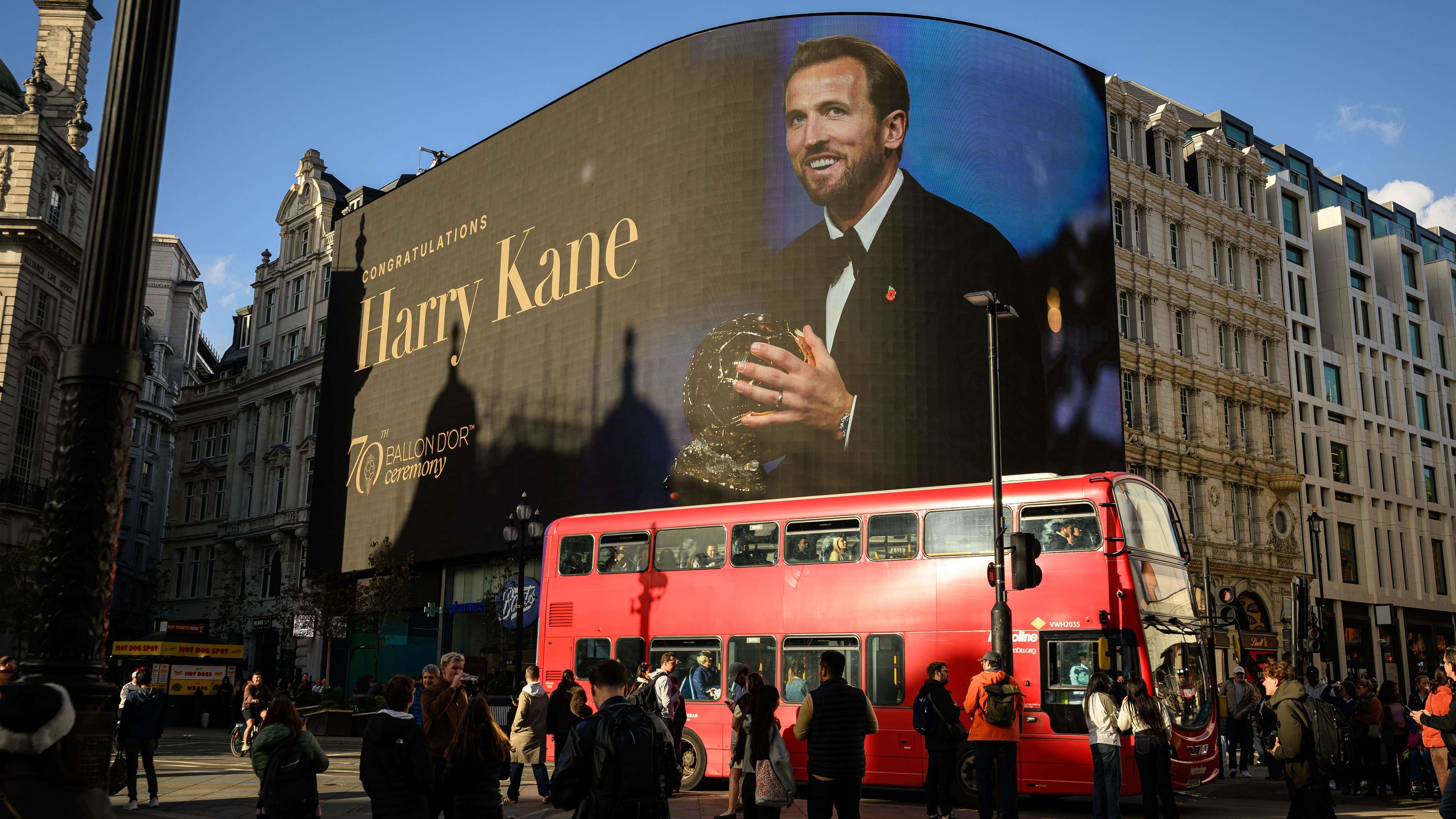
Borkowski’s comments followed the Ballon d’Or ceremony, where Kane received his award to warm applause. In his acceptance remarks, the striker thanked his wife and family, as well as the many coaches who had helped shape his career. The speech offered a glimpse of the modest, measured public persona that has long distinguished him from more outspoken figures in the game.
That image, Borkowski argues, could prove especially valuable as English football confronts questions about trust, governance and financial regulation. While Kane cannot resolve those issues himself, his conduct and standing could help present a more positive face of the sport to supporters at home and audiences around the world.
Manchester City case adds to pressure on football’s reputation
The discussion comes amid continuing attention on Manchester City and allegations concerning breaches of the Premier League’s financial rules. The original report described the club as having been found guilty of all charges across nine consecutive seasons. However, the legal and regulatory process surrounding the case is complex, and the precise status and outcome of any findings should be distinguished from allegations that remain subject to formal proceedings.
Regardless of the case’s eventual resolution, the dispute has intensified debate about financial oversight, competitive fairness and whether football’s governing bodies can apply their rules consistently. For many supporters, the issue is not simply about one club. It raises broader questions about transparency and the credibility of the competitions they follow.
“British football is in a very bad place at the moment in terms of reputation,” Borkowski told The Sun, according to the original report. He suggested that Kane could help restore confidence, whatever decisions the Premier League ultimately makes in relation to Manchester City.
That is a striking responsibility to place on a player. A footballer can inspire fans and represent the sport with dignity, but lasting reputational repair also depends on clear rules, credible investigations and effective governance. Kane’s potential contribution is therefore best understood as symbolic: he can embody qualities that supporters want to see in the game, while institutions remain responsible for addressing structural concerns.
Why Kane’s public image matters
Kane has built a career around consistency, professionalism and a relatively low-key approach to fame. He is widely recognised as one of England’s leading strikers, but his appeal is not based solely on goals or records. His calm manner, commitment to the national team and willingness to acknowledge the people who have supported him have helped create an image of reliability.
Borkowski believes Kane already carries the presence of a statesman and could take on a role beyond the familiar expectations placed on professional footballers. That kind of influence can matter in a sport where players are often asked to speak for clubs, national teams and entire communities. A respected figure who communicates carefully may help connect football with people who feel alienated by controversies surrounding money and power.
There is also a practical dimension to Kane’s profile. Modern footballers reach global audiences through interviews, social media, sponsorships and international tournaments. A player with a strong reputation can help shape how the sport is perceived in countries where the Premier League and England’s national team have large followings. Yet credibility is essential: an ambassador’s message carries weight only when it is supported by visible action and honest communication.
World Cup ambition could shape Kane’s legacy
Borkowski suggested that Kane may have two or three major international tournaments remaining in his career, with winning the World Cup for England serving as a defining ambition. Such a triumph would bring enormous sporting significance and could strengthen Kane’s place in the country’s football history.
England’s relationship with the World Cup is shaped by its 1966 victory, when the team lifted the Jules Rimet Trophy. Sir Geoff Hurst, who scored a hat-trick in the final, has remained an enduring figure and ambassador for the English game. That history illustrates how a single tournament can influence national memory for generations.
For Kane, the challenge is clear but formidable. England regularly enters major competitions with high expectations, yet success depends on more than individual talent. Team cohesion, tactical decisions, fitness and performance under pressure all play decisive roles. Any football prediction about England’s chances must therefore account for the strength of its opponents and the uncertainty inherent in knockout tournaments.
Still, Kane’s leadership could be important whether or not England wins a major trophy. His experience, preparation and ability to shoulder responsibility make him a central figure in the national team’s plans. A World Cup victory would elevate his legacy dramatically, but sustained leadership and a positive influence on younger players could also leave a lasting mark.
A legacy larger than trophies
Borkowski went further, arguing that Kane could become an ambassador for England because of his character and values, potentially leaving a legacy greater than David Beckham’s. Beckham’s global fame helped turn him into one of the most recognisable faces in football, blending sporting success with commercial and cultural influence. Kane’s route to a similar legacy may be different, centred more on leadership, consistency and service to the national team.
Comparisons between football icons are inevitably subjective. Beckham and Kane belong to different eras and have developed distinct public identities. But the comparison underlines a broader point: a player’s influence is measured not only by statistics, but also by how they represent the sport and what they contribute beyond the pitch.
Kane cannot single-handedly repair English football’s reputation, and no individual should be expected to compensate for institutional failings. But at a moment when supporters are asking difficult questions about fairness and accountability, his example may offer a welcome counterpoint. If football’s governing bodies match that example with transparency and consistent standards, Kane’s growing status could help support a more credible future for the game.