

FIFA Faces Backlash Over Price Hikes for 2026 World Cup Tickets
FIFA, the international governing body of football, has come under fire for its decision to introduce new, higher-priced ticket categories for the upcoming 2026 World Cup. Critics argue that FIFA’s focus on generating revenue is overshadowing the broader interests of the sport.
New Ticket Categories Spark Controversy
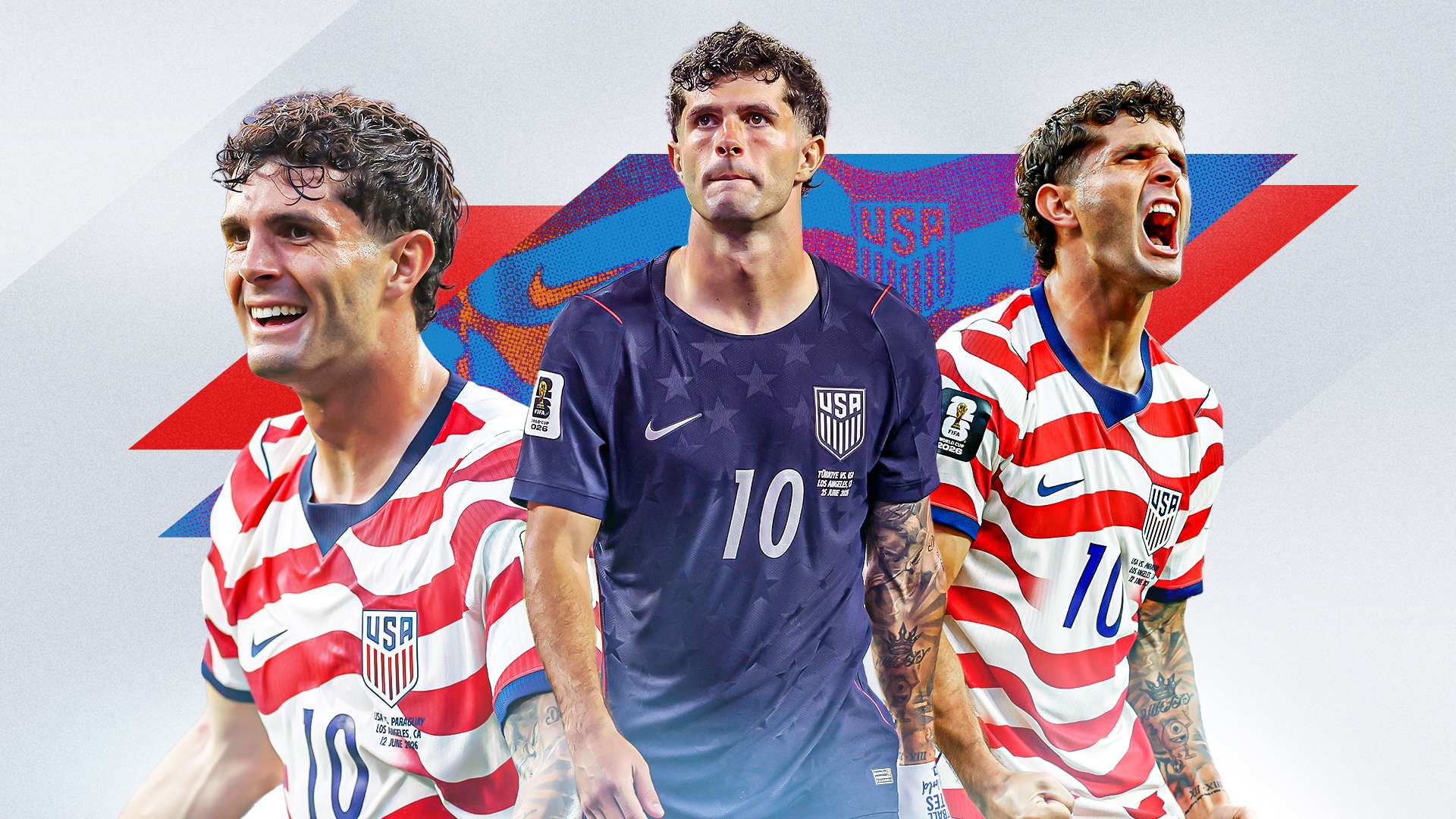
The controversy stems from the introduction of the ‘Front Row 1′ category, which debuted for the United States’ opening match against Paraguay in Inglewood on June 12. This new category comes with a hefty price tag of $4,105 per seat, a significant increase from the previous highest-priced Category 1 tickets, which never exceeded $2,735.
Additionally, a second new tier, “Front Row 2,” has quietly appeared with prices ranging from $1,940 to $2,330 for the same fixture, as reported by The Athletic. These price hikes have not gone unnoticed by fans and the media, sparking widespread criticism.
Commercial Strategy for Expanded Tournament
The decision to introduce these new ticket categories aligns with FIFA’s commercial strategy for the expanded 48-team tournament set to take place across 16 host cities in the United States, Mexico, and Canada from June 11 to July 19, 2026. This edition of the World Cup will feature 104 matches, marking a significant increase in the number of games compared to previous tournaments.
According to FIFA’s “Ticket Products and Categories” document released on September 9, Category 1 tickets are described as the highest-priced and are located in the lower stands, while Category 2 covers seats in both the lower and upper stands outside the scope of Category 1. The introduction of the new “front” categories indicates FIFA’s intent to offer premium seating options beyond the original ticket structure.
Price Hikes and Fan Response
Price increases have not only affected the opening match and final of the tournament but also other fixtures. For instance, a new $3,360 option for the first front-row tier is now available for the Canada vs Bosnia and Herzegovina match in Toronto on June 12. Round-of-16 tickets in Philadelphia are fetching around $905.
The final match at MetLife Stadium on July 19 has witnessed a significant spike in ticket prices. Top-tier tickets now cost $10,990, up from $8,680, while Category 2 and Category 3 tickets have also seen substantial price hikes.
FIFA’s Response and Fan Criticism
The price hikes have sparked backlash from fans, particularly following technical glitches that disrupted the ticket sales restart. Despite the criticism, FIFA president Gianni Infantino remains optimistic about the tournament’s success, citing strong demand as a testament to global fans’ passion.
In response to the uproar, FIFA introduced a new, more affordable “Fan Zone” category last December to provide fans with additional ticket options while still maintaining record-high prices for World Cup tickets.
As fans eagerly await the 2026 World Cup, the debate over ticket prices and FIFA’s commercial priorities continues to simmer, raising questions about the balance between revenue generation and fan accessibility in the world of football.
Impact on Accessibility and Fan Experience
With the introduction of these new high-priced ticket categories for the 2026 World Cup, concerns have been raised about the accessibility of the tournament for the average football fan. The steep increase in ticket prices could potentially exclude a significant portion of supporters who may not be able to afford these premium seating options. This raises questions about FIFA’s commitment to ensuring that the World Cup remains an inclusive event for fans from all walks of life.
Furthermore, the focus on revenue generation through these price hikes has drawn criticism for potentially prioritizing profits over the overall fan experience. While premium seating options can offer a more luxurious viewing experience, it is essential to strike a balance between catering to high-paying customers and ensuring that the tournament remains accessible and enjoyable for all attendees.
Global Fanbase and Cultural Impact
The FIFA World Cup is a global sporting event that transcends borders and brings together fans from all corners of the world. As such, the pricing strategy for tickets can have a significant impact on the cultural and social dynamics of the tournament. By introducing premium categories with exorbitant prices, FIFA risks alienating fans who may have been eagerly anticipating the opportunity to attend the World Cup.
Additionally, the controversy surrounding the ticket prices may affect the overall reputation of the tournament and FIFA as an organization. Fans expect transparency and fairness when it comes to ticketing processes, and any perceived exploitation of supporters through inflated prices could tarnish the image of the World Cup and its governing body.
Social Media Outcry and Activism
Social media platforms have become powerful tools for fans to voice their opinions and mobilize against decisions that they perceive as unjust or exploitative. The backlash against FIFA’s price hikes for the 2026 World Cup has been palpable on various social media channels, with fans expressing their frustration and disappointment at the perceived commercialization of the sport they love.
Activist groups and supporters’ associations have also started campaigns to raise awareness about the issue and advocate for more affordable ticket options. Through online petitions, hashtags, and coordinated efforts, fans are leveraging social media to hold FIFA accountable and push for changes that prioritize fan interests and affordability.
Future Implications for Major Sporting Events
The debate surrounding ticket prices for the 2026 World Cup raises broader questions about the future of major sporting events and the balance between commercial interests and fan engagement. As the sports industry continues to evolve, organizers of tournaments and competitions must navigate the delicate balance between revenue generation and fan accessibility.
By closely monitoring the outcome of FIFA’s pricing strategy for the 2026 World Cup, stakeholders in the sports world can gain valuable insights into how to structure ticketing models for future events. Finding a sustainable approach that maximizes revenue while ensuring that fans from diverse backgrounds can participate in the excitement of international tournaments will be crucial for the long-term success and integrity of major sporting events.
By exploring these various angles, we can appreciate the multifaceted implications of FIFA’s decision to introduce new, higher-priced ticket categories for the 2026 World Cup, shedding light on the intricate dynamics between commercial interests, fan engagement, and the cultural significance of the world’s most celebrated football tournament.