
Controversy Erupts in Saudi Football: Al-Taawoun Denies Responsibility for Offensive Chant Incident During Saudi Roshn League Match
The recent clash between Al-Taawoun and Al-Hilal in the Saudi Roshn League has ignited a fiery debate within the football community, raising questions about fan behavior, sportsmanship, and the ongoing efforts to foster a respectful sporting environment in Saudi Arabia. The incident, which took place during the seventh round of the league, has not only overshadowed the match itself but also prompted strong reactions from players, officials, and fans alike, emphasizing the importance of upholding the integrity and dignity of football.
The Match That Turned Sour: Al-Hilal’s Dominant 6-0 Victory
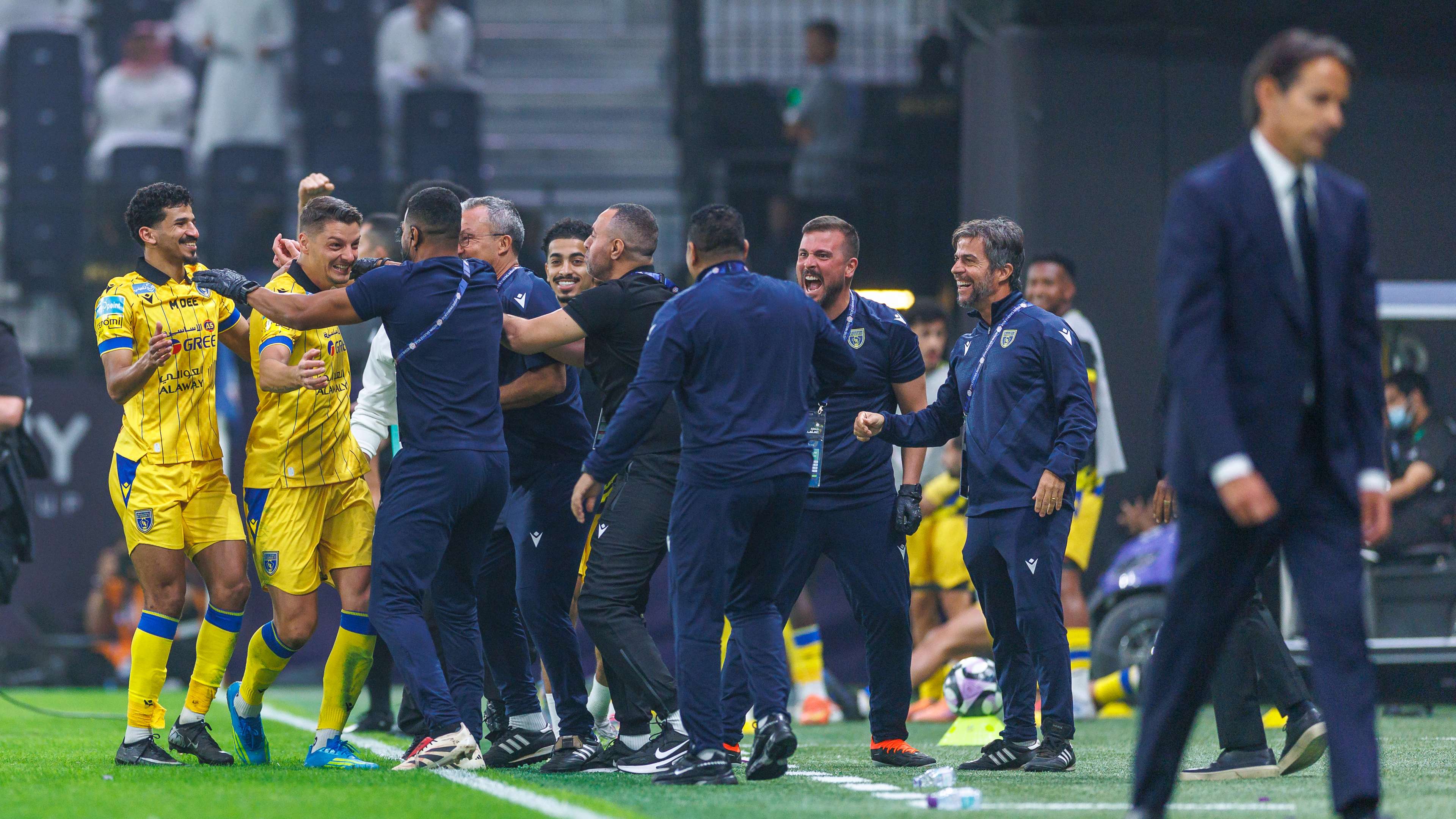
On Saturday evening, spectators at the Al-Buraidah Stadium were treated to a high-stakes encounter that culminated in a commanding 6-0 victory for Al-Hilal over their hosts, Al-Taawoun. While the result itself was a showcase of Al-Hilal’s offensive prowess, the atmosphere was marred by an incident that has since become the focal point of controversy in Saudi football. The match, originally anticipated as a display of competitive spirit, was overshadowed by offensive chants directed at Al-Hilal players, which stirred widespread concern across the football community.
The Offensive Chant That Sparked Outrage
The controversy erupted when a subset of Al-Taawoun supporters engaged in provocative chanting, notably referencing the late Diogo Jota, the talented Portuguese footballer who tragically lost his life in an accident last year. Interestingly, the chants appeared to be aimed at Ruben Neves, a Portuguese midfielder and a former teammate of Jota, who currently plays for Al-Hilal. The fans’ provocative act was perceived as an attempt to insult or provoke Neves, attempting to leverage the emotional connection fans had with Jota to taunt the player during the match.
Such acts of hostility are considered deeply inappropriate within the context of sportsmanship and have sparked widespread criticism from various quarters, including players, officials, and football fans who advocate for a respectful and positive football culture.
Al-Taawoun’s Official Response and Commitment to Sportsmanship
In response to the incident, Al-Taawoun issued a formal statement via their official “X” account (formerly Twitter), vehemently condemning the offensive chants. The club stated:
“Al-Taawoun club expresses its condemnation and categorical rejection of the offensive chants directed towards one of Al-Hilal’s players during the match. We affirm that such behavior is entirely unacceptable, does not reflect the club’s values, nor those of our loyal fans, and is not representative of the sporting spirit we uphold.”
The club further emphasized their commitment to maintaining a respectful sporting environment, underscoring that:
“Sporting competition cannot be justified as a reason for abuse, disparagement, or bullying. Our Saudi football is rooted in the ethical values of our society and the teachings of Islam, which promote respect, honor, and dignity for all.”
Responsibility and Measures Against Unsporting Conduct
Al-Taawoun’s statement reinforced their stance that such offensive chants are individual acts rather than representative of the entire fan base. The club highlighted:
“We are proud of our fans’ awareness, their history of supporting the team responsibly, and their sporting spirit. Any behavior that exceeds the boundaries of respectful support—whether in chanting or other conduct—is unacceptable.”
Furthermore, Al-Taawoun vowed to collaborate with relevant authorities to prevent such incidents in the future, stating:
“We will take all necessary measures with the Saudi Football Federation and other relevant bodies to ensure this does not happen again, and we will pursue disciplinary actions against offenders to preserve the dignity of Saudi football.”
Wider Reactions and the Call for a Respectful Football Culture
The incident has resonated deeply across Saudi Arabia’s football landscape, prompting calls for stricter enforcement of conduct regulations and greater education on sportsmanship. Notably, Cristiano Ronaldo, the iconic Portuguese footballer and captain of Al-Nassr, publicly demanded that fans involved in such offensive chants be permanently banned from attending matches. His stance underscores the importance of safeguarding the integrity of football and ensuring a safe, respectful environment for players and supporters alike.
In response, Al-Hilal announced that they have filed a formal complaint with the Saudi Arabian Football Federation, urging swift action to address the misconduct and prevent recurrence. This move highlights the seriousness with which authorities are treating incidents of fan misconduct, recognizing that football is a unifying sport that should promote positive values rather than division or hostility.
Understanding the Broader Context: Football as a Reflection of Society
The controversy surrounding the chants is more than just a matter of fan behavior; it reflects ongoing societal conversations about respect, tolerance, and the role of sports in shaping social values. Saudi Arabia has been making significant strides in developing its football infrastructure and elevating the standards of the game domestically. These efforts are complemented by initiatives aimed at promoting positive fan culture and combatting unsporting conduct.
Experts note that football, as the world’s most popular sport, carries the responsibility of serving as a platform for unity and respect. Incidents like these serve as reminders of the work needed to foster a culture where fans support their teams passionately but within the boundaries of respect and dignity. The Saudi football authorities are increasingly focused on education campaigns and stricter enforcement to ensure that the beautiful game remains a source of joy and pride for all.
Looking Ahead: The Future of Football Prediction and Fan Engagement in Saudi Arabia
As the Saudi Pro League continues to grow in stature, attracting international stars and increasing global viewership, maintaining a positive and respectful fan environment becomes crucial. Football prediction models are now incorporating behavioral analytics to identify and curb misconduct, emphasizing not just team performance but also fan conduct.
Looking forward, the focus remains on ensuring that each match upholds the highest standards of sportsmanship and respect. With ongoing efforts from clubs, federations, and fans themselves, Saudi football is poised to set a benchmark for responsible and ethical sports culture in the Middle East and beyond.
Conclusion: Reaffirming Commitments to Respect and Excellence in Saudi Football
The incident during the Al-Hilal versus Al-Taawoun match underscores the ongoing challenges and opportunities within Saudi football to promote a culture of respect, integrity, and excellence. While the offensive chants have cast a temporary shadow on the league’s reputation, the swift response from clubs and authorities demonstrates a shared commitment to rectifying such issues and fostering an environment where football can truly unite and inspire.
As fans, players, and officials work together to uphold the sport’s noble values, the future of Saudi football looks promising—characterized by passionate support, fair play, and a steadfast dedication to the ethical principles that make the game so universally beloved. The ongoing dialogue about fan behavior and sportsmanship will continue to shape the league’s development, ensuring that football in Saudi Arabia remains a source of pride, joy, and positive social impact for generations to come.