
Alonso Calls for Reflection After Chelsea’s 2-0 Defeat to Tottenham
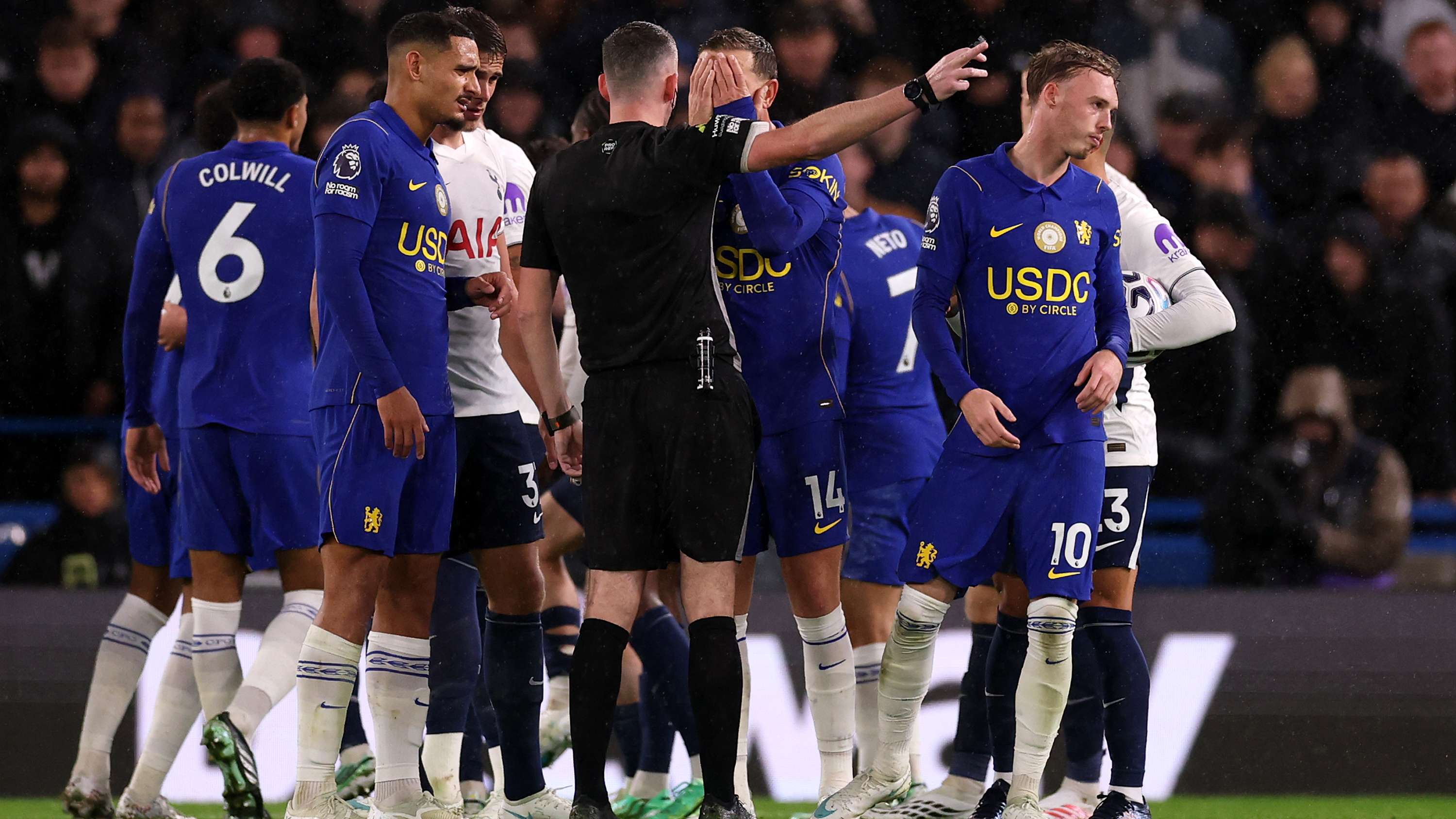
Chelsea manager Xabi Alonso said his team must carefully review its performance after a damaging 2-0 Premier League defeat to Tottenham Hotspur at Stamford Bridge. The result was shaped by a costly own goal from goalkeeper Mike Penders, a fine finish from Mathys Tel and Cole Palmer’s red card, which left Chelsea with little time and opportunity to respond.
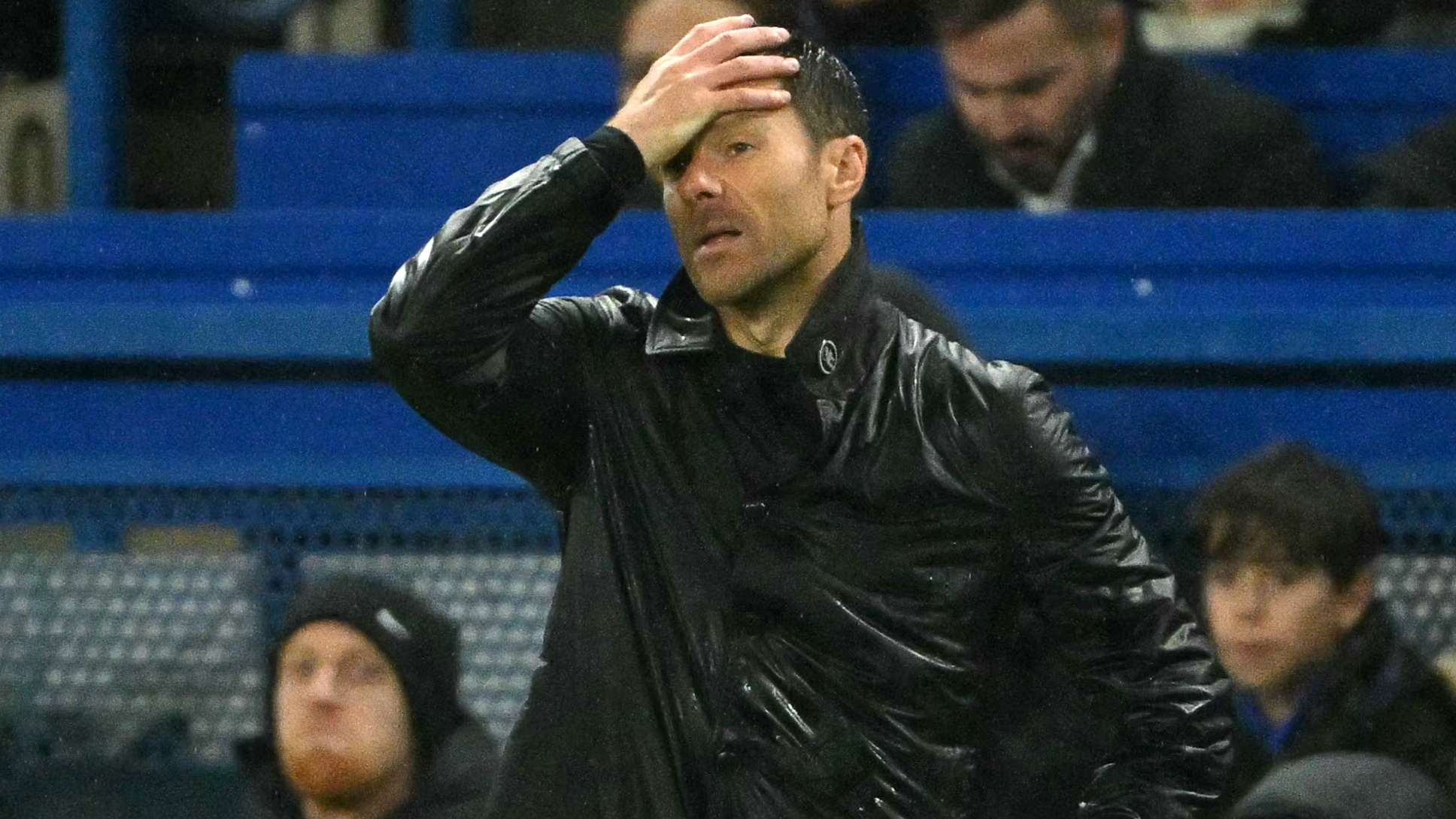
Alonso was visibly frustrated after the match, acknowledging that Chelsea had not met the standard required against a strong opponent. He also urged his players to learn from the key moments that changed the contest, while stressing that responsibility for the defeat belongs to the whole team—not just the individuals involved in the decisive incidents.
Key Moments Turned the Match in Tottenham’s Favour
In comments reported by Football London, Alonso described the result and Chelsea’s overall performance as disappointing. He said the teams had discussed the match at half-time and that he expected the first goal to prove decisive. In a closely contested game, the breakthrough would place the scoring side in control and force its opponent to take greater risks.
For much of the second half, both sides had opportunities that Alonso characterised as potentially dangerous rather than clear-cut. But once Tottenham went ahead, the balance shifted. Chelsea needed to find an immediate response, yet Palmer’s dismissal soon afterwards made that task considerably harder.
“Once we conceded the first goal, everything changed,” Alonso said, explaining how quickly the game moved away from his side. He added that Chelsea could have produced a better display and that the match deserved detailed reflection, particularly given the quality of the opposition.
Tottenham made the most of the opening created by Chelsea’s setback. Penders’ own goal gave the visitors the lead, while Tel’s well-taken strike added further gloss to a memorable away result. For Chelsea, the sequence offered a reminder of how a single mistake can alter the mood and tactics of a football match—especially when the score remains tight late into the game.
Palmer’s Red Card Adds to Chelsea’s Frustration
Palmer’s red card became another major talking point. Alonso said he had not yet watched television replays of the incidents involving the midfielder and Mateus Fernandes, but indicated that the information he had received suggested the referee may have made the correct decision.
The manager stopped short of making a final judgment before reviewing the footage. He said he wanted to speak with Palmer after studying the incidents, while also making clear that the midfielder should treat the dismissal as an opportunity to learn. With Chelsea already trailing, the sending-off reduced the team’s chances of mounting a comeback and increased the pressure on the players who remained on the pitch.
Alonso’s wider message was about composure. He noted that conceding when 15 to 20 minutes remain can provoke an emotional reaction, but said Chelsea must continue to manage the match intelligently rather than allowing frustration to dictate their decisions. That lesson, he stressed, applies across the squad.
He also offered a pointed assessment of Palmer’s best qualities, saying the attacker is at his most effective when focused and enjoying his football. After the opening goal, Alonso felt, Chelsea needed calmness and maturity from everyone. Palmer’s situation will be closely watched as the club assesses the incident and prepares for its next fixtures.
João Pedro Injury Assessment Still Pending
Chelsea also face uncertainty over João Pedro, whose injury could affect the team’s attacking options in the coming weeks. Alonso said the club did not yet know the full extent of the problem, explaining that the player had developed a significant build-up of fluid and first felt discomfort the day before the match.
The manager indicated that medical tests were expected after the team had waited until the following day to assess the injury properly. Until those examinations are complete, Chelsea cannot confirm how serious the issue is or how long João Pedro may be unavailable.
That uncertainty adds another concern after a difficult night. A confirmed absence could require Alonso to adjust his forward line, particularly if the injury proves more than a short-term problem. The club’s medical findings will therefore be important not only for João Pedro’s recovery but also for Chelsea’s planning ahead of a busy run of fixtures.
Alonso Backs Penders After Costly Error
Penders’ own goal inevitably raised questions about how a young goalkeeper can recover from a high-profile mistake. Alonso responded with a message of collective responsibility, saying Chelsea win and lose together and that errors are part of the game for players and coaches alike.
He said the club would support Penders and the rest of the squad, adding that the goalkeeper could learn from the incident and work to deliver a stronger performance next time. The manager also included himself in the responsibility to improve, rather than placing the burden solely on the young Belgian.
Before the match, Alonso had compared Penders with fellow Belgian Thibaut Courtois, the Real Madrid goalkeeper. Such a comparison highlights the expectations surrounding the youngster, but Alonso’s post-match comments suggested that patience and support will be just as important as ambition while Penders develops.
What Comes Next for Chelsea?
Chelsea’s upcoming schedule offers little time to dwell on the defeat. The team is listed to face Liverpool in the Carabao Cup on 29 October, followed by a Premier League meeting with Crystal Palace on 1 November. Those fixtures will test the squad’s ability to respond, particularly if João Pedro is unavailable or Palmer faces a suspension.
For supporters considering a football prediction for Chelsea’s next match, the main factors to watch will be the injury assessment, Palmer’s availability and how Alonso reshapes the team after the Tottenham loss. Chelsea will need sharper decision-making, greater composure after setbacks and a more reliable response when opponents take the lead.
Alonso’s message was ultimately one of accountability and recovery. Tottenham capitalised on crucial moments, but Chelsea now have the chance to examine what went wrong and show whether they can turn a frustrating defeat into a meaningful lesson.