
Mohamed Morad Resigns as Egypt National Team Media Coordinator
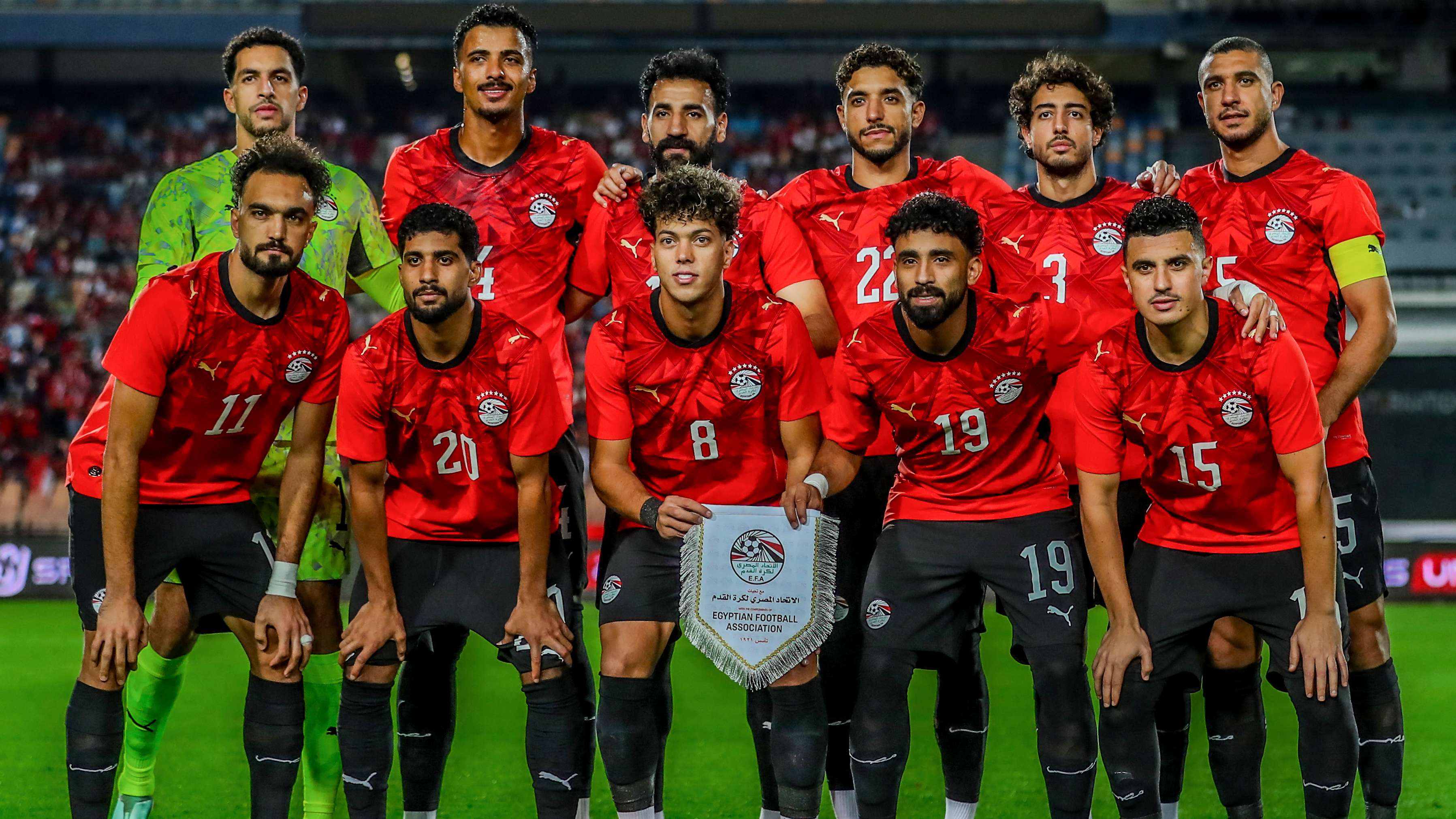
Mohamed Morad has resigned as media coordinator for Egypt’s senior national football team, bringing an end to five years working with the Pharaohs. His departure comes during a period of uncertainty around the national side, with coach Hossam Hassan’s future under discussion and the football association yet to make an official announcement about its plans.
Morad announced his decision on Facebook on Thursday, saying he had reached it after careful consideration. His tenure began during the period of Portuguese coach Carlos Queiroz and continued through the appointment of Hossam Hassan and his twin brother, Ibrahim, who serves as the team’s director.
A departure amid uncertainty around Egypt’s coaching staff
The resignation arrives at a sensitive moment for Egyptian football. Reports have suggested that the Egyptian Football Association is considering possible alternatives to Hossam Hassan, although no formal decision has been confirmed. The coach has also faced intense media attention following reports of personal disputes involving his former wife, Dan Adam.
Morad’s exit does not, by itself, clarify what will happen with the coaching staff. However, the timing is likely to draw attention because the media coordinator plays a key role in communication between the team, journalists and supporters. Any change in that position could affect how the national side manages press access and public messaging during an already closely watched period.
For fans following Egypt’s football news, the immediate question is whether the association will appoint a replacement before the team’s next international commitments. Egypt are scheduled to face Malawi in Africa Cup of Nations qualifying on November 14, 2026. The fixture gives the federation a practical reason to settle its media arrangements, even as wider questions about the coaching setup remain unresolved.
Morad reflects on five years with the Pharaohs
In his announcement, Morad said he had worked to present the national team’s media operations professionally throughout his time in the role. He described the job as demanding and said he often handled the work alone, including during major competitions.
“After lengthy consideration, I decided to leave the post of coordinator of Egypt’s senior national football team after five years,” Morad wrote. He referred to the period spanning Queiroz’s tenure through the current setup, and expressed hope that officials would continue supporting Hossam and Ibrahim Hassan if they want to build a strong national team.
Morad also highlighted his work at the Africa Cup of Nations in Morocco and at the World Cup, which he described as the most important tournament of his career and a major moment for the team and Egyptian supporters. He said FIFA had praised the tournament’s media work and sent a special email recognising it.
He contrasted his workload with that of other national teams, saying their media departments included at least four coordinators, while he worked alone. His account offers a glimpse into the behind-the-scenes demands of international football: coordinating interviews, supporting press conferences, helping journalists access information and ensuring that team communications remain organised during high-pressure tournaments.
Thanks to officials—and a pointed final message
Morad thanked several figures whom he credited with helping him take up the position, including Ahmed Diab, Gamal Allam, Mohamed Yahya Lotfy, Walid El-Attar, Ola El-Shafei and Abdel Fattah Abdel Moneim. He also offered his support to the national team and the Hassan brothers, while expressing gratitude to members of the football association’s board.
His statement ended on a more confrontational note. Addressing an unnamed person within the association, Morad said: “I stayed against your will and I left as I pleased.” He also described the individual as “marginalised,” turning what might otherwise have been a straightforward resignation announcement into a pointed public message about tensions inside the organisation.
Morad did not identify the official or provide further details about the disagreement. Without additional information, the remark leaves open questions about the internal dynamics that shaped his decision. It also underlines how personnel changes in football can reflect more than routine staffing needs, particularly when they are announced publicly and accompanied by criticism.
What Morad’s exit could mean for Egypt
A media coordinator may not influence team selection or tactics, but the role can shape how supporters understand a national team’s progress. Clear communication becomes especially important when results, coaching decisions or off-field stories dominate headlines. A well-organised media operation can help provide reliable updates, manage access and keep attention focused on football.
For Egypt, the next steps will depend on the federation. Officials may appoint a new coordinator, redistribute the responsibilities or make broader changes if the coaching structure is reviewed. Until the association comments, reports about possible replacements should be treated as speculation rather than confirmation.
Morad’s resignation therefore leaves two separate issues in view: the future of Egypt’s media operation and the unresolved discussion surrounding Hossam Hassan’s position. The federation’s decisions in the coming weeks will determine whether the current staff remains in place and who takes responsibility for communicating with the public ahead of the next fixtures.
For now, Morad has closed a five-year chapter with the Pharaohs by pointing to the work he says he delivered, thanking those who supported him and making clear that his departure was his own choice. As Egypt prepares for its upcoming football commitments, supporters will be watching for official updates on both the team’s leadership and the person who will take over its media coordination.