
Chinese Ballon d’Or Voter Explains Why Lionel Messi Led His Rankings
Chinese football journalist Lu Ming placed Lionel Messi at the top of his Ballon d’Or ballot, ranking the Argentina captain ahead of Ousmane Dembélé and Spain midfielder Rodri. His choices offered a snapshot of how one voter weighed individual performance, team success and influence on the biggest stage during the award’s assessment period.
Lu Ming, editor-in-chief of Titan Sports, was the only Chinese representative on the Ballon d’Or voting panel. His top five also included England striker Harry Kane in fourth place and France forward Kylian Mbappé in fifth. The ranking drew attention not only because of Messi’s first-place position, but also because it reflected a broad approach to judging a player’s season rather than relying on reputation or goal totals alone.
World Cup impact shaped Lu Ming’s Messi prediction
According to French outlet Foot Mercato, Lu Ming’s reasoning for selecting Messi centered on the forward’s contribution at the World Cup. Messi scored eight goals and provided four assists as Argentina advanced to the final. For the Chinese journalist, those performances carried exceptional weight because they came in the tournament that commands the largest global audience and places intense pressure on its leading players.
Messi’s influence was not limited to his statistics. He served as Argentina’s captain and attacking focal point, helping guide the team through high-stakes matches against opponents with different styles. His ability to create chances, finish attacks and steady the side in difficult moments strengthened the case for his position at the top of Lu’s ballot.
That reasoning highlights a familiar challenge in Ballon d’Or voting: how to compare performances across club and international football. A player may deliver outstanding numbers over a long domestic campaign, while another produces defining moments in a shorter tournament. Lu’s prediction suggests he viewed Messi’s World Cup contribution as a decisive achievement, giving it greater importance than a season judged solely by club trophies or league statistics.
Dembélé and Rodri earned recognition for different reasons
Dembélé finished second on Lu Ming’s list, with the journalist reportedly valuing both the Frenchman’s individual quality and his contribution to collective success. The winger’s pace, dribbling and ability to unsettle defenders make him a constant threat in one-on-one situations. Those qualities can be especially valuable in football, where breaking down a compact defence often depends on a player capable of creating an opening without relying on a set play.
Rodri placed third. His ranking reflected the importance of his role for Spain, where his work in midfield helps connect defensive organisation with attacking possession. Although midfielders do not always receive the same attention as prolific forwards, Rodri’s influence can be measured through his positioning, ball retention and ability to control the tempo of a match. Lu’s choice therefore recognised the less spectacular but essential work that often determines whether a team can dominate its opponents.
Kane’s fourth-place position added another dimension to the ballot. The England striker has built his reputation on consistent scoring, intelligent movement and his ability to contribute to the build-up as well as finish chances. Mbappé rounded out Lu’s top five, despite the French forward’s substantial individual output.
Why Mbappé was ranked fifth
Lu Ming’s explanation for placing Mbappé fifth was based on sporting considerations, rather than the controversy that later developed between the player and Chinese audiences. The journalist pointed to the absence of major titles during the season under review, despite Mbappé’s impressive individual figures. In other words, the ranking reflected a distinction between personal performance and team achievement.
That distinction is a recurring feature of Ballon d’Or debates. Some voters prioritise goals, assists and individual influence, while others give greater weight to trophies and success in decisive competitions. A forward can produce elite numbers yet finish behind a player whose team wins major honours or whose contribution is viewed as more influential across a full campaign. Lu’s ballot appears to have balanced those factors, with Mbappé’s statistics not enough to overcome the lack of major silverware.
China controversy emerged after the voting period
Mbappé’s fifth-place ranking also attracted attention because criticism of the player in China intensified after voting had closed. A video circulated online showing him responding to mocking clips that portrayed him as a dictator and included a reference to Chinese leader Mao Zedong. Mbappé later issued a public apology, but the episode continued to draw scrutiny in Chinese media.
The dispute also had commercial consequences. Several Chinese brands reportedly ended their partnerships with the Real Madrid forward, while local coverage continued to examine his response and the wider reaction. The episode illustrates how a footballer’s public image can extend well beyond the pitch, particularly in a major market where international stars often have significant sponsorship and promotional relationships.
However, timing is crucial when interpreting Lu Ming’s vote. Ballon d’Or voting closed on 28 September, before the current dispute between Mbappé and China erupted. The controversy therefore cannot explain his fifth-place selection. Lu’s stated reasoning focused on the season’s sporting record, especially the lack of major titles, rather than events that unfolded afterward.
Ballon d’Or rankings reflect competing measures of greatness
Lu Ming’s ballot demonstrates why Ballon d’Or predictions can differ sharply from one voter to another. Messi’s World Cup achievements offered a compelling case built around leadership and performance on football’s biggest international stage. Dembélé’s ranking reflected the combination of individual skill and team success, while Rodri’s position acknowledged the strategic importance of midfield control. Kane and Mbappé, meanwhile, represented the challenge of comparing outstanding attacking production with the broader question of trophies and influence.
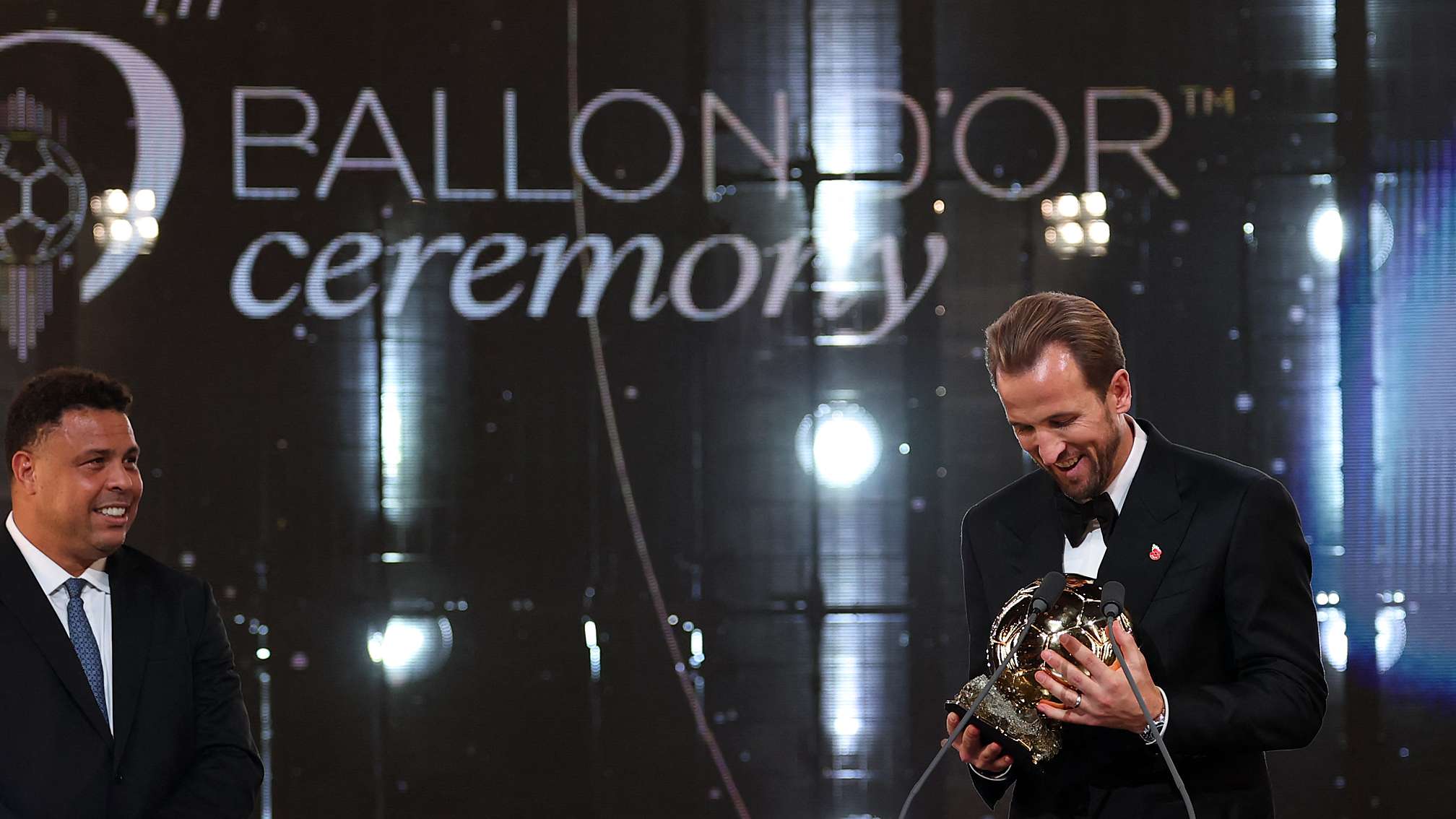
The final award outcome differed from Lu’s personal prediction: Harry Kane won the Ballon d’Or, while Mbappé finished second overall. That contrast underlines the collective nature of the voting process. Each journalist submits an individual ranking, and the final result reflects the combined views of the panel rather than any single ballot.
For supporters following football awards, Lu Ming’s choices provide more than a list of favourites. They reveal the criteria behind one voter’s assessment and show how major tournament performances, team honours, individual statistics and leadership can all shape a Ballon d’Or prediction. They also offer a reminder that off-field controversy should be separated from the season being judged when the relevant voting has already concluded.