
Barcelona Concerned as Raphinha Faces Long Brazil Trip During International Break
Raphinha’s inclusion in Brazil’s squad for upcoming friendlies against Japan and Singapore has raised concerns at Barcelona, where the winger’s workload and injury history are already being closely monitored. The international assignment could require a round trip of nearly 22,000 kilometres, adding extensive travel to a demanding stretch of the football calendar.
Brazil coach Carlo Ancelotti has selected the Barcelona attacker for the fixtures, which are scheduled during the next international break. While representing his country is a major opportunity for Raphinha, the call-up has prompted debate in Spain about whether friendly matches justify the physical demands placed on players who are returning from injury or managing heavy workloads.
Commentator’s controversial advice to Raphinha
Spanish newspaper Sport highlighted comments from journalist Juan Boqui, who discussed the situation on Cadena SER radio. Boqui offered a provocative suggestion about how Raphinha should respond after Barcelona’s match against Atlético Madrid.
“It’s very simple, what he has to do is get injured,” Boqui said, before clarifying that he believed the winger should report discomfort to avoid travelling with Brazil. He argued that Barcelona players needed to become more willing to communicate physical problems before international duty, rather than risk aggravating an issue while away from their club.
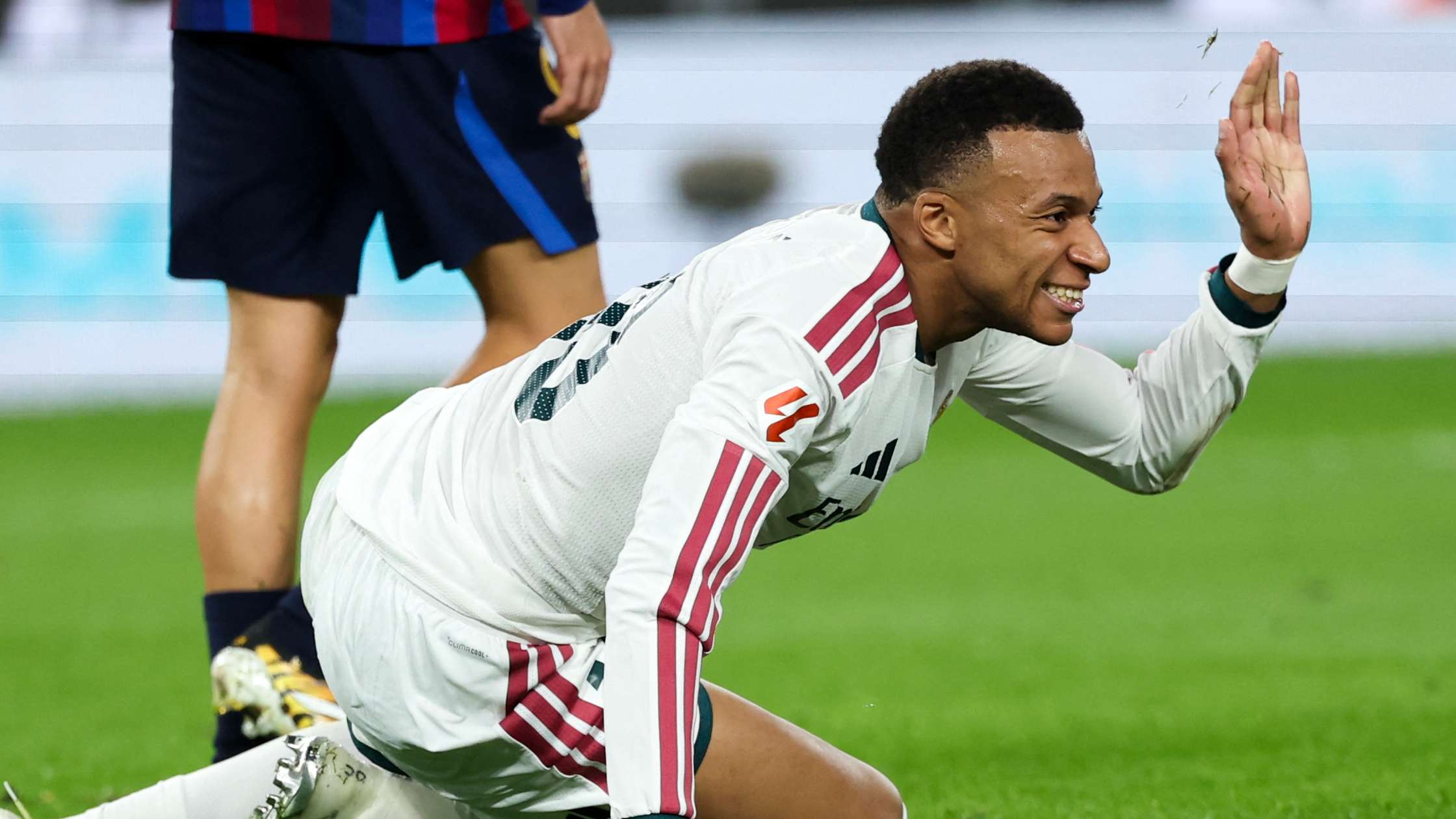
Boqui also pointed to Kylian Mbappé as an example of a player who, in his view, managed a similar situation without missing matches for Real Madrid. The comparison was intended to underline the perceived advantage of protecting a player’s club availability. However, deliberately pretending to be injured would be an inappropriate and potentially damaging response. A more responsible approach is for players, clubs and national teams to share accurate medical information and make decisions based on a genuine assessment of fitness.
Barcelona’s injury concerns and Brazil’s selection
The concern is rooted in Raphinha’s recent fitness challenges. According to analyst Iván San Antonio, the winger has previously been called up by Brazil and subsequently suffered injuries that limited his involvement for Barcelona. San Antonio said the club had hoped to restore the player gradually, making the latest international selection particularly frustrating from a Catalan perspective.
For Barcelona, the issue is not simply the length of the journey. Long-haul travel can disrupt sleep and recovery routines, while international fixtures add training sessions and match minutes to a player’s schedule. The effects vary from athlete to athlete, but clubs often worry that a player who is not fully fit could face a greater risk of setbacks when asked to compete across several time zones.
That concern is especially relevant for a high-intensity winger such as Raphinha. His role involves repeated accelerations, changes of direction and pressing, all of which place considerable demands on the muscles. If a player is still building back toward full match fitness, careful management of training and playing time can be just as important as the final diagnosis.
Criticism directed at Ancelotti
San Antonio was sharply critical of Ancelotti’s decision to include Raphinha, arguing that Brazil’s upcoming games do not carry the stakes of a competitive tournament or qualification campaign. He described the call-up as lacking consideration for the player’s circumstances and said the coach should have shown “more humanity.”
His remarks reflect a familiar tension in modern football: clubs invest heavily in players and depend on them throughout the season, while national teams have a legitimate interest in selecting their best available talent. International coaches must also use friendlies to assess combinations, test tactical ideas and prepare squads for more important competitions. Those objectives can make selection decisions difficult, particularly when a player’s condition is not straightforward.
Still, a friendly label does not mean a match is meaningless. For Raphinha, international appearances can strengthen his place in Brazil’s plans and help him build rhythm alongside teammates. The key question is whether his physical condition supports participation and, if so, how much football he should play.
What happens next for Raphinha?
The most sensible outcome would depend on direct communication between Barcelona’s medical staff, Brazil’s doctors and the player. If Raphinha is fit, Brazil could manage his minutes, limit the intensity of training or consider resting him in one of the fixtures. If he is experiencing genuine pain or has not completed a full return to competition, that information should be assessed transparently before he travels.
Such coordination is increasingly important in a calendar that leaves elite players with limited recovery time. International breaks can involve lengthy flights, unfamiliar training environments and quick turnarounds, while club seasons continue to place pressure on squads competing across domestic and European competitions. Clear medical protocols help protect players without turning every selection dispute into a public argument.
For Barcelona supporters, the immediate concern will be seeing Raphinha return in good condition and ready to contribute. For Brazil, the challenge is to balance national-team ambitions with the player’s long-term welfare. Neither side benefits if a short-term decision leads to a longer absence.
Raphinha injury prediction: caution rather than speculation
Any prediction about whether Raphinha will be injured would be premature. Travel and match exposure can add to fatigue, but they do not guarantee an injury, and the available comments do not establish that the winger is currently unfit. His status will depend on medical evaluations, training response and how Brazil plans to use him.
The broader lesson is that player protection should rely on honest reporting and evidence-based decisions—not on a footballer pretending to be hurt. Raphinha’s Brazil call-up has exposed the ongoing friction between club and country, but the best resolution is likely to come through cooperation. With careful management, the Barcelona winger may be able to represent Brazil while reducing unnecessary risk during a demanding period of the season.