
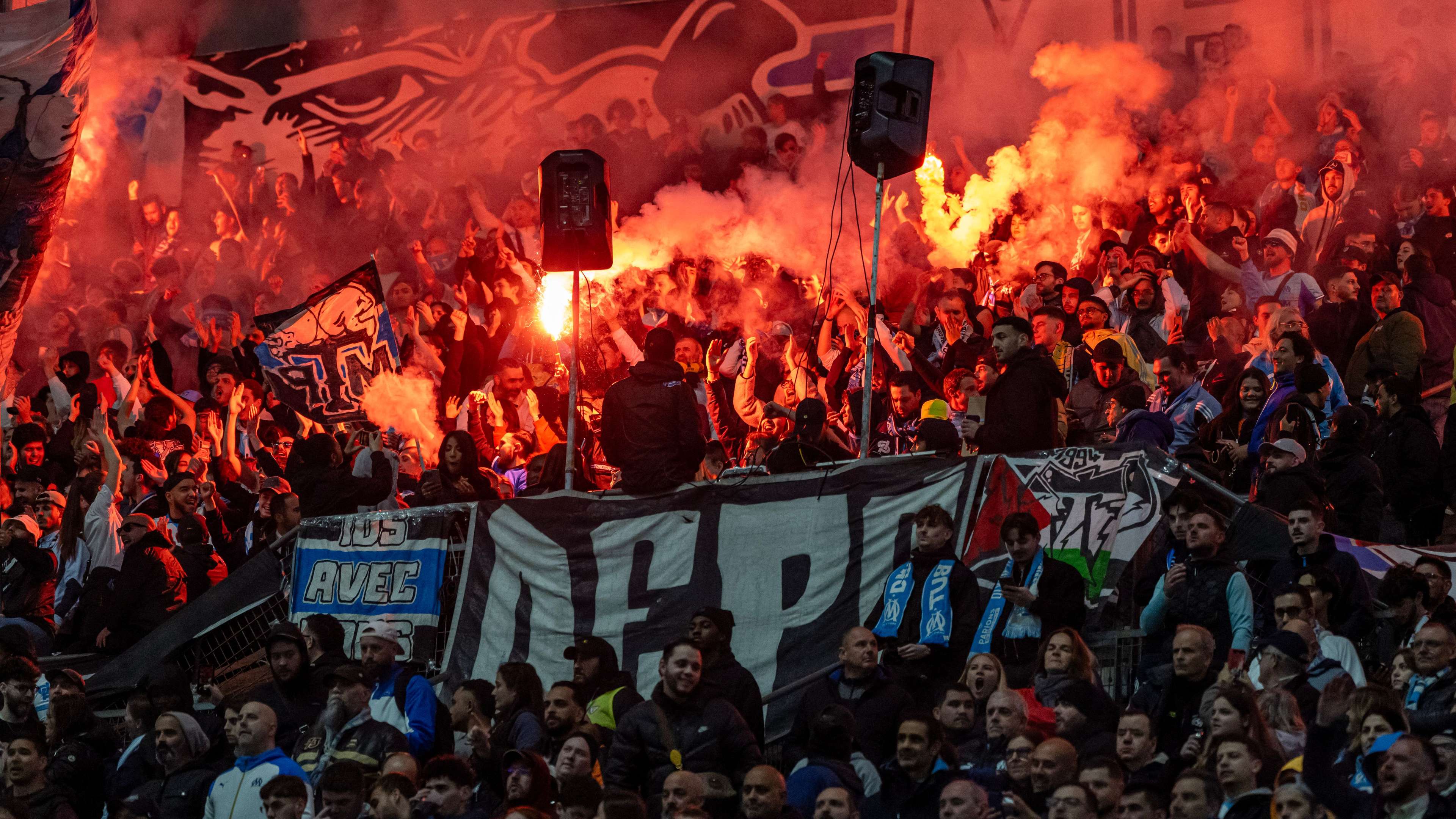

Disgruntled Marseille Supporters Stage Protest during Match against Auxerre
Football fans are known for their passionate support, but sometimes that passion can turn into frustration. This was the case for Marseille supporters during their recent clash with Auxerre, where they staged a 45-minute silence to protest what they deemed a “season of humiliations”.
The Stade Velodrome, usually a cauldron of noise and excitement, was eerily quiet as the home faithful chose to express their discontent in a unique way. Instead of cheering on their team, the supporters opted for jeers and silence, creating a ghostly atmosphere that was felt throughout the stadium.
A Planned Protest
This protest was not spontaneous; it was meticulously planned by the club’s ultras to make a statement about their growing disillusionment. A massive banner displayed in the stands summed up their feelings perfectly, reading: “45 minutes of silence for a season of humiliations.” This bold statement set the tone for the evening and highlighted the fans’ frustrations.
As the players took to the pitch, they were met with a silence that was deafening in its own way. The lack of support from the stands seemed to affect their performance, as they struggled to find their rhythm in the absence of the usual vocal backing from the fans.
A Transformative Experience
The Stade Velodrome, known for its electrifying atmosphere and passionate supporters, was transformed into something entirely different on that fateful night. The silence spoke volumes, echoing the sentiments of the supporters who felt let down by their team’s performances throughout the season.
For 45 minutes, the only sound in the stadium was the echoing of players’ footsteps and the occasional whistle from the referee. It was a stark contrast to the usual chants and cheers that reverberate through the stands, showcasing just how impactful the fans can be on the game.
Marseille’s Response
Following the match, Marseille’s management addressed the protest, acknowledging the fans’ right to express their frustrations. They promised to work harder to turn things around and ensure that the supporters have something to cheer about in the future.
While the protest may have been unconventional, it served as a wake-up call for the team and management. It highlighted the deep connection between a club and its supporters, showing that football is more than just a game—it’s a passionate community that demands excellence from its players.
In the end, Marseille supporters made their voices heard in a powerful way, demonstrating the impact that fans can have on a team’s performance. As the season progresses, it will be interesting to see how this protest influences the players and whether it sparks a turnaround in their fortunes on the pitch.
Impact of Fan Protests in Football
Fan protests are not uncommon in the world of football and have been known to have a significant impact on clubs and players. While some may view these demonstrations as disruptive or negative, they often serve as a wake-up call for teams to reassess their performances and make necessary changes to satisfy their supporters.
Protests such as the one staged by Marseille supporters can create a sense of accountability within a club, forcing players and management to confront the issues that are causing dissatisfaction among the fanbase. This can lead to discussions about tactics, player effort, coaching strategies, and overall team performance.
Furthermore, fan protests can also put pressure on club owners and executives to take action and make necessary adjustments to address the concerns of the supporters. This could result in changes in coaching staff, player recruitment, or even club policies to ensure that the team is meeting the expectations of its loyal fanbase.
The Role of Ultras in Fan Protests
Ultras, who are known for their passionate and sometimes extreme support of their clubs, often play a key role in organizing fan protests. These dedicated fans are deeply invested in the success of their teams and are not afraid to voice their opinions loudly and publicly when they feel that the club is not meeting their standards.
Ultras have a long history of staging protests, boycotts, and displays to communicate their dissatisfaction with club management, player performances, or other aspects of the footballing experience. Their influence can be considerable, as they are often the most vocal and visible supporters in a stadium, commanding attention and sparking discussion within the football community.
The Power of Unity in Fan Protests
One of the most impactful aspects of fan protests is the sense of unity and solidarity that they create among supporters. When fans come together to voice their concerns in a coordinated and peaceful manner, it sends a powerful message to the club and players that the entire fanbase is united in their desire for change.
This unity can be a catalyst for positive transformation within a club, as it demonstrates to the players and management that the supporters are united in their expectations and demands. It can inspire a sense of collective responsibility and motivate everyone involved to work together towards a common goal of success on the pitch.
Looking Ahead
As Marseille and other clubs navigate the challenges of fan protests and discontent, it will be crucial for them to listen to the voices of their supporters and take meaningful action to address their concerns. Football is a sport that thrives on the passion and dedication of its fans, and clubs must prioritize the needs and desires of their loyal supporters to ensure long-term success.
Ultimately, fan protests can be a powerful tool for change in football, encouraging clubs to reevaluate their strategies, performances, and relationships with their fanbase. By embracing the feedback and demands of their supporters, clubs can build stronger connections with their fans and create a more positive and fulfilling footballing experience for everyone involved.