
Italy’s Football Future in Jeopardy: Euro 2032 Hosting Rights at Risk
In a series of bitter blows to Italian football, the country’s hopes of hosting the Euro 2032 championship are now in jeopardy. This devastating news comes on the heels of Italy’s recent failure to qualify for the World Cup for the third consecutive time, leaving fans and officials reeling from the disappointments.
Last week, Italy suffered a heartbreaking loss to Bosnia and Herzegovina in the World Cup qualifying play-offs, culminating in a 1-1 draw and a devastating 4-2 defeat on penalties. This defeat marked Italy’s third consecutive absence from the World Cup, a significant blow to a nation with a storied footballing history.
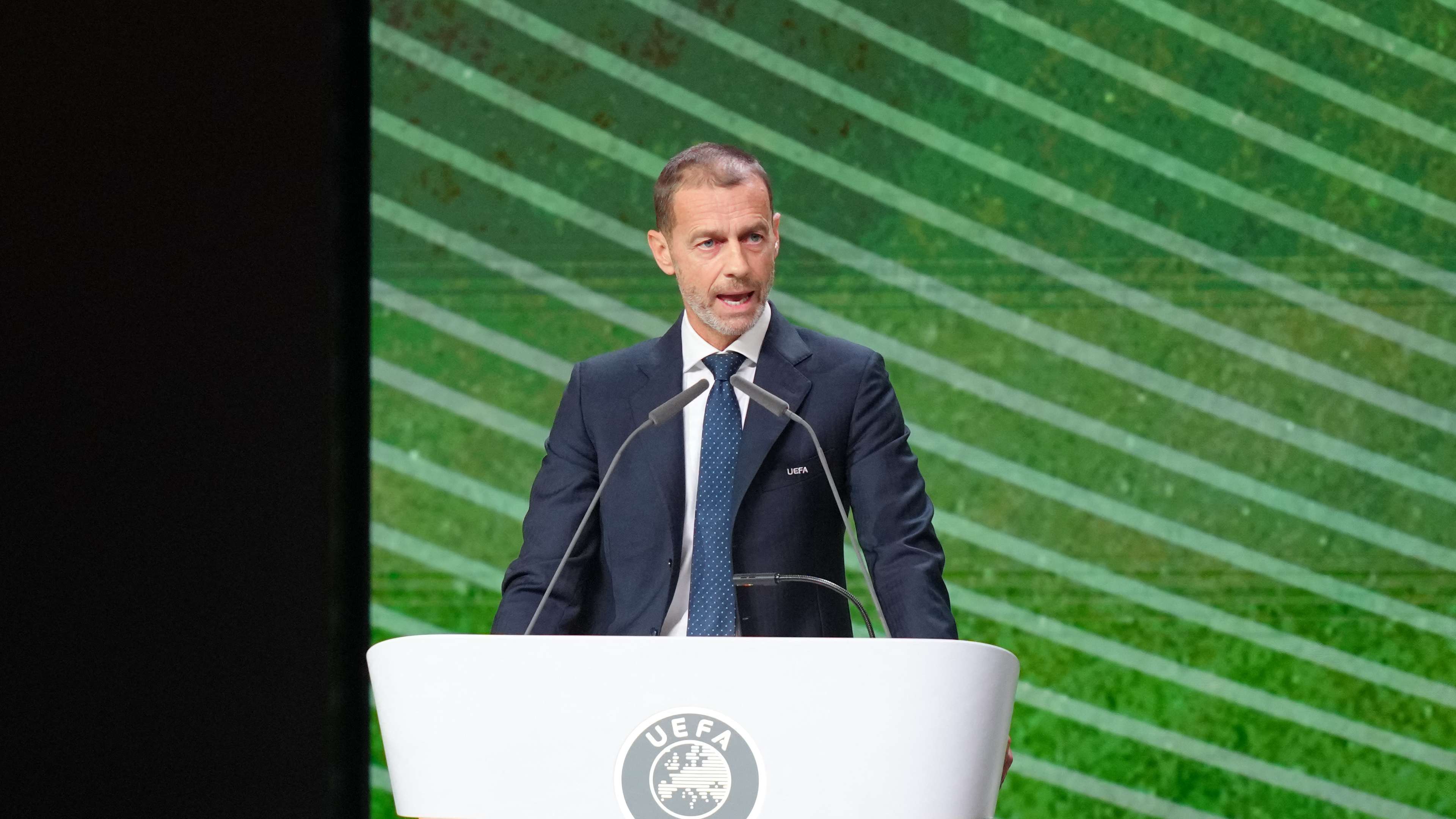
Following this latest setback, UEFA President Aleksander Ceferin delivered another blow by threatening to strip Italy of its co-hosting rights for the Euro 2032 championship. Italy and Turkey were set to jointly host the tournament, but Ceferin emphasized the need for significant improvements in Italy’s stadium infrastructure to meet UEFA’s standards.
According to Ceferin, “The stadiums need to be modernized. Otherwise, the 2032 European Championship cannot be organized in Italy.” This warning serves as a wake-up call to Italian officials, urging them to take immediate action to upgrade the country’s football facilities.
While Ceferin refrained from directly blaming the Italian Football Federation (FIGC), he did raise concerns about the state of football governance in the country. In an interview with La Gazzetta dello Sport, Ceferin pointed out the need for Italian politicians to address the glaring deficiencies in the country’s football infrastructure.
“The biggest problem facing Italian football is the relationship between football governance and politics,” Ceferin stated. “If everyone were to abide by the rules, Italy could well become European champions again.” These words serve as a call to action for all stakeholders involved in Italian football, emphasizing the importance of collaboration and adherence to regulations.
As Italy grapples with the repercussions of these recent setbacks, fans and officials are left pondering the future of football in the country. The looming threat of losing the Euro 2032 hosting rights serves as a stark reminder of the work that needs to be done to revitalize Italian football and reclaim its status as a powerhouse in the sport.
In the coming months, all eyes will be on Italy as officials work tirelessly to address UEFA’s concerns and ensure that the country remains a viable host for the Euro 2032 championship. The fate of Italian football hangs in the balance, with stakeholders eagerly awaiting developments that will shape the future of the sport in the country.
The Importance of Stadium Infrastructure in Football
Beyond the disappointment of Italy’s recent football struggles, the emphasis on stadium infrastructure highlights a crucial aspect of the sport that often goes unnoticed. The quality of stadium facilities plays a significant role in enhancing the overall football experience for players, fans, and stakeholders alike.
Modernized stadiums not only provide a more comfortable and safe environment for spectators but also contribute to the development of the game at both the domestic and international levels. State-of-the-art facilities can attract top talent, increase revenue streams, and elevate the overall standard of football in a country.
Moreover, hosting major tournaments such as the Euro 2032 championship can have far-reaching economic benefits for the host nation. The influx of tourists, media coverage, and sponsorship opportunities associated with these events can boost the local economy and promote the country on a global stage.
By investing in stadium infrastructure, Italy not only stands to secure its hosting rights for Euro 2032 but also position itself as a leading footballing nation for years to come. The improvements made to stadiums will leave a lasting legacy that can benefit the entire footballing community in Italy.
The Role of Governance in Football
UEFA President Ceferin’s comments on the relationship between football governance and politics shed light on a critical issue that plagues many footballing nations. The need for transparent and accountable governance is essential to ensure the integrity of the sport and uphold its values.
By addressing the deficiencies in football governance, Italy can establish a strong foundation for future success in the sport. Clear regulations, effective oversight, and ethical leadership are key components that can guide the country towards a brighter footballing future.
Collaboration between football officials, politicians, and stakeholders is paramount in driving meaningful change within the sport. By working together to address systemic issues and implement reforms, Italy can rebuild its reputation and regain its competitive edge in the footballing world.
The Path Forward for Italian Football
As Italy navigates the challenges posed by its recent football setbacks, the road to redemption will require a strategic and concerted effort from all involved. The task of upgrading stadium infrastructure, improving governance, and reclaiming its status as a football powerhouse will not be easy, but it is achievable with dedication and perseverance.
Italian football has a rich history and a passionate fan base that can serve as a driving force for revitalization. By learning from past mistakes, embracing change, and fostering a culture of excellence, Italy can emerge stronger than ever and reestablish itself as a force to be reckoned with in international football.
The coming months will be crucial for Italy as officials work diligently to meet UEFA’s requirements and secure the Euro 2032 hosting rights. The outcome of these efforts will not only shape the future of Italian football but also serve as a testament to the resilience and determination of a nation that is deeply rooted in the beautiful game.