
Mikel Arteta Defends Arsenal Players Amid International Duty Withdrawals
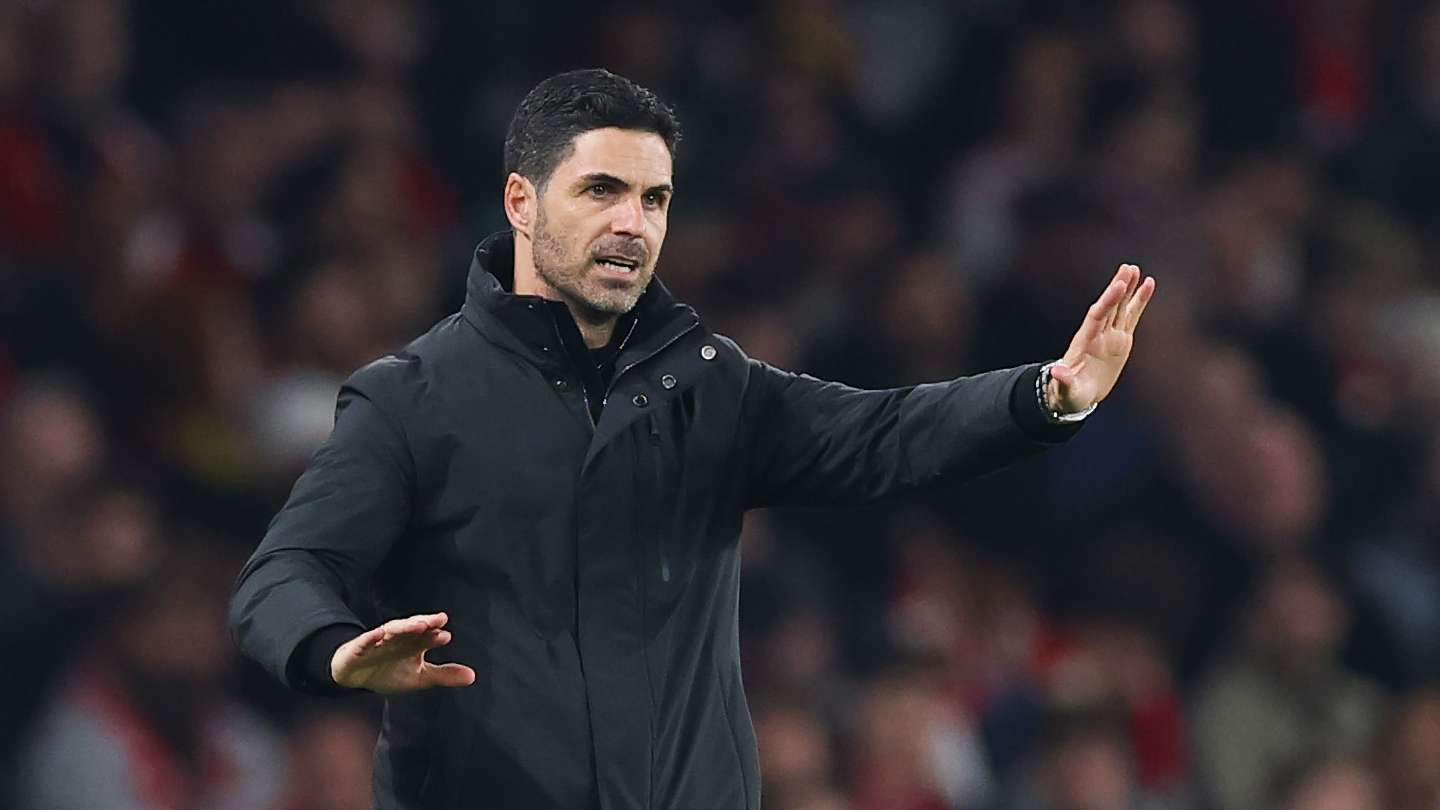
Amidst the uproar surrounding Arsenal’s staggering 11 players withdrawing from international duty, manager Mikel Arteta has stepped forward to defend his squad against suggestions that they prioritized club over country. The Gunners boss has emphasized that the medical decisions made by the players were necessary and not taken lightly.
Transparent Relationship with National Teams
Arteta has also highlighted the transparent relationship that Arsenal maintains with national team managers, including England’s Thomas Tuchel. The club ensures open communication regarding the fitness and availability of their players, with medical staff working closely with both the players and national team representatives to make informed decisions regarding their participation in international fixtures.
Despite the significant number of withdrawals, Arteta stands by the decisions made, emphasizing the well-being of the players as the top priority. In a season packed with fixtures and minimal recovery time, the manager acknowledges the challenges faced by the players and the need to manage their workload effectively to prevent injuries.
Player Welfare a Top Priority
Player welfare has been a key focus for Arsenal, with the club investing in state-of-the-art facilities and medical staff to ensure the physical and mental well-being of their squad. Arteta’s comments come at a time when the debate over player burnout and injury risks has been at the forefront of discussions in the football world.
As Arsenal prepares for upcoming domestic fixtures, Arteta remains confident in the depth of his squad despite the absence of several key players due to international commitments. The manager believes that the enforced rest period for those who have withdrawn from national team duty will benefit the team in the long run, allowing them to recover and return to action at full strength.
Looking Ahead
With the Premier League title race heating up and Arsenal aiming to secure a top-four finish, Arteta’s focus is on maintaining the fitness and form of his squad for the crucial matches ahead. While the international break may have disrupted the team’s momentum, the manager remains optimistic about the resilience and determination of his players to overcome any challenges that come their way.
As the debate over player workload and the balance between club and country commitments continues, Arteta’s stance on prioritizing player welfare and making informed medical decisions reflects a growing trend among top football clubs. Arsenal’s approach to managing their players’ fitness and well-being serves as a model for others to follow in ensuring the long-term success and sustainability of their squads.
In conclusion, Arteta’s defense of Arsenal players amidst the international duty withdrawals sheds light on the complexities and challenges faced by modern footballers in balancing their club and country commitments. With a focus on transparency, communication, and player welfare, the Gunners are setting a standard for how clubs can support their players both on and off the pitch.
Strategies for Managing Player Workload
Managing the workload of football players has become increasingly crucial in the modern game, with the demands of multiple competitions and international fixtures taking a toll on their physical and mental well-being. Arsenal’s approach to player management under Arteta’s guidance includes rotation strategies, personalized training programs, and close monitoring of fitness levels to prevent injuries and ensure peak performance throughout the season.
By utilizing sports science and data analytics, Arsenal has been able to identify patterns in player fatigue and injury risk, allowing them to tailor their training sessions and rest periods accordingly. This proactive approach to player welfare not only benefits the individuals on the pitch but also contributes to the overall success of the team by reducing the likelihood of setbacks due to overexertion.
Emphasis on Mental Health
In addition to physical well-being, Arsenal has also placed a significant focus on the mental health of their players. The pressures of performing at the highest level, dealing with injuries, and balancing personal and professional commitments can take a toll on footballers’ mental well-being. Arteta’s support for his players extends beyond the physical realm, with the club offering access to mental health resources, counseling services, and creating a supportive environment where players feel comfortable seeking help when needed.
By fostering a culture that prioritizes mental health awareness and support, Arsenal aims to create a team of resilient and emotionally balanced players who can navigate the challenges of elite-level football with confidence and stability.
Community Engagement and Social Responsibility
Arsenal’s commitment to player welfare extends beyond the confines of the training ground and the pitch. The club actively engages with the local community through various initiatives aimed at promoting health, education, and social inclusion. By encouraging players to participate in community outreach programs and charitable activities, Arsenal fosters a sense of social responsibility and connection with their supporters.
Involvement in community projects not only benefits the local area but also provides players with a sense of purpose and fulfillment outside of their football careers. This holistic approach to player development reinforces the values of teamwork, empathy, and leadership, contributing to the overall well-being and success of the squad both on and off the field.
Continuing Evolution in Player Management
As football evolves and the demands on players continue to increase, clubs like Arsenal are at the forefront of innovative approaches to player management. By prioritizing transparency, communication, player welfare, and community engagement, Arteta and his team are setting new standards for how football clubs can support their players in a holistic and sustainable manner.
With a relentless focus on the well-being of their squad, Arsenal is not only aiming for success on the pitch but also striving to create a culture of care and respect that resonates with players, fans, and stakeholders alike. As the football landscape continues to evolve, the Gunners’ commitment to player welfare and development serves as a beacon of inspiration for the sport as a whole.
By expanding on the original article, we have delved deeper into Arsenal’s strategies for managing player workload, emphasized the importance of mental health in player welfare, highlighted the club’s community engagement efforts, and underscored the ongoing evolution in player management in the modern game. Arsenal’s commitment to supporting their players both on and off the pitch sets a positive example for other clubs to follow in prioritizing the well-being and success of their athletes.