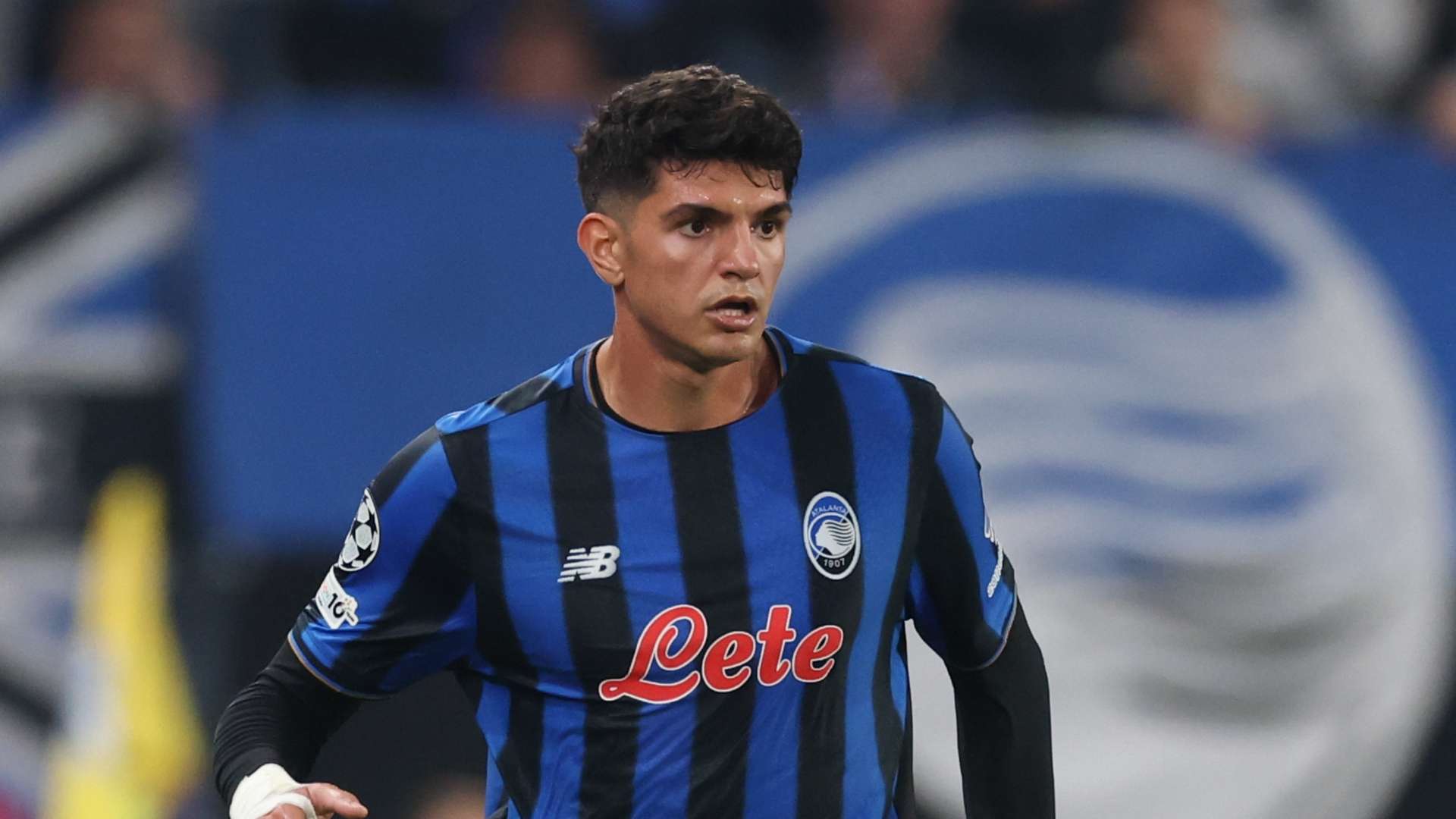

Atalanta Injury Concern as Raoul Bellanova Leaves Against Frosinone
Atalanta suffered an early setback against Frosinone when Raoul Bellanova was forced off with a suspected muscle injury in the 29th minute. The Italian wide player had sprinted down the flank before pulling up in discomfort, clutching the inside of his left thigh and immediately signalling that he could not continue.
Maurizio Sarri responded by bringing on Bernasconi, changing his plans well before half-time. Bellanova’s condition is expected to be assessed in the hours after the match, when Atalanta’s medical staff can determine the nature and severity of the problem. For now, the club has not confirmed a diagnosis or indicated how long he might be unavailable.
How Bellanova’s injury unfolded
The incident came during a run down the wing, a demanding action that requires a player to accelerate quickly and cover ground at pace. After completing the sprint, Bellanova went to ground and appeared to focus on the inner part of his left thigh. His immediate request to be substituted suggested that he was unable to carry on safely.
That area can be associated with a number of issues, including discomfort in the adductor muscles, but it would be premature to draw a firm conclusion from the on-field reaction alone. Medical examinations are needed to distinguish a minor strain from a more significant injury. The timing of those checks—and any scans deemed necessary—will be important in clarifying the outlook.
For Atalanta, the priority will be to avoid rushing the player back before the cause of the pain is understood. Muscle injuries can vary considerably in severity, and a careful assessment is often the best guide to whether a player needs only a short recovery period or a longer spell away from training and matches.
A tactical adjustment for Atalanta
Bellanova’s departure also required an immediate tactical response. As a wide player, he can contribute by stretching the opposition, supporting attacks along the touchline and helping the team transition between defence and attack. Replacing him before the half-hour mark meant Atalanta had to adapt while the match was still developing.
Bernasconi’s introduction gave Sarri a fresh option on the flank, but an early substitution can affect more than the position itself. It may alter the team’s attacking rhythm, change the balance between pressing and covering space, and require nearby players to adjust their movement. How effectively Atalanta handled that change was one of the key details to follow as the game continued.
The incident also underlined the physical demands placed on modern wide players. Repeated bursts of acceleration, recovery runs and one-on-one actions can place considerable strain on the legs, particularly when a player has to cover the full length of the flank. Even without a confirmed diagnosis, Bellanova’s exit will be a concern for a side that relies on energy and width in its attacking structure.
What the injury could mean in the coming days
Atalanta’s next steps will depend on the results of the medical assessment. If the problem proves minor, Bellanova may be able to return to training relatively soon, although the club is likely to monitor his response to running and changes of direction before considering him for selection. If the examination identifies a more serious muscle strain, his recovery could require a longer period of rehabilitation.
Supporters should therefore wait for an official update rather than assume a specific recovery timeline. A player’s decision to come off quickly can be a precaution, but it can also reflect pain that needs further investigation. The club’s medical team will be best placed to provide a reliable assessment once the initial checks are complete.
The timing may also influence Atalanta’s planning for upcoming fixtures. Sarri could need to manage the workload of other players capable of operating wide, particularly if Bellanova is ruled out for more than one match. Squad depth can become especially important during a busy schedule, when tactical flexibility and fresh legs help teams maintain their intensity.
Match prediction and wider implications
In any football match, an injury to a regular wide option can influence the balance of the contest, but it does not automatically determine the result. Atalanta’s response after Bellanova’s substitution, the effectiveness of Bernasconi’s contribution and the team’s ability to preserve its attacking width all help shape the game. Any match prediction should also take account of the score, performance levels and tactical changes—not just the injury itself.
For Frosinone, the early substitution may have offered an opportunity to test Atalanta’s replacement and target space on that side. For Atalanta, the challenge was to maintain defensive organisation while continuing to create chances. These adjustments often become decisive in closely contested games, especially when one team can exploit uncertainty following a change in personnel.
For now, the main story is Bellanova’s fitness. His pain in the inside of the left thigh points to a possible muscle problem, but the extent remains unknown until the club completes its assessment. Atalanta will hope the issue is limited and that the Italian wide player can return without a lengthy absence. A clearer update is expected once the medical checks have been carried out.