
Ballon d’Or 2026 Coach Prediction: Who Made the Final Cut and Who Missed Out?
The football world is abuzz with anticipation as the organizing committee of the prestigious Ballon d’Or awards recently announced the shortlist for the best coach in the world for 2026. This announcement has sparked intense debate among fans, analysts, and experts alike, as the selection process highlights some of the most remarkable managerial achievements across both club and international football.
The Final Five: A Who’s Who of Football Coaching Excellence
For the 2026 edition, only five elite managers have made the cut, showcasing a blend of tactical brilliance, trophy-laden careers, and transformative leadership. The shortlist features some of the most prominent names in the sport, each with compelling cases for why they deserve to be crowned the best coach of the year.
Spain’s Luis de la Fuente: The International Powerhouse
Leading the list is Luis de la Fuente, who steered Spain to a historic World Cup victory this year. His disciplined defensive strategy and meticulous game management resulted in a campaign where La Roja conceded just a single goal throughout the tournament—a feat that set new standards for international football governance.
De la Fuente’s mastery in orchestrating a cohesive team effort, combined with his tactical adaptability, has firmly established him as one of the finest coaches on the global stage. His achievement is especially noteworthy given the immense pressure of leading a national team in one of the sport’s most watched and scrutinized tournaments.
Mikel Arteta: From Rebuilding Arsenal to European Glory
Next on the list is Mikel Arteta, who has arguably had one of the most inspiring coaching journeys in recent football history. After inheriting a struggling Arsenal side, he led the Gunners to break a 22-year drought by clinching the Premier League title—a remarkable feat that redefined the club’s trajectory.
Arteta’s tactical ingenuity was on full display as he transformed Arsenal into a dominant force in English football, culminating in their impressive run to the Champions League final. His success story embodies resilience and strategic vision, making him a strong contender for the coach of the year prediction among football enthusiasts.
Luis Enrique: The European Maestro at PSG
Another standout candidate is Luis Enrique, currently at the helm of Paris Saint-Germain. His leadership has brought a wealth of trophies, including domestic league titles and deep European runs, cementing his reputation as a tactician capable of managing top-tier clubs in high-pressure environments.
Enrique’s innovative approach to attacking football and his ability to adapt tactically to different competitions have made him a favorite among football prediction experts. His experience across European competitions adds further weight to his candidacy for this prestigious accolade.
Unai Emery: The Tactical Architect of Aston Villa
Unai Emery has continued to impress with his steady results in the Premier League, guiding Aston Villa through a period of tactical refinement and consistent performances. His strategic acumen and ability to extract maximum potential from his squad have kept Villa competitive in one of the toughest leagues in the world.
Emery’s focus on disciplined defending coupled with swift counter-attacks has earned him widespread praise, and his ongoing success in England underscores his credentials as a top coach deserving of recognition in the 2026 prediction.
Vincent Kompany: The Rising Star at Bayern Munich
Completing the shortlist is Vincent Kompany, whose managerial journey is still in its early stages but already making waves. The Belgian legend has transformed Bayern Munich’s approach, leading them to dominate the German Bundesliga with an exciting, attacking style of football.
His tactical philosophy has resulted in Bayern’s deep runs into the Champions League, showcasing his potential to grow into one of the world’s best coaches. Kompany’s inclusion highlights the emerging trend of former players transitioning seamlessly into top-tier managerial roles, bringing fresh perspectives to the game.
The Omission That Stunned the Football World: Hansi Flick’s Absence
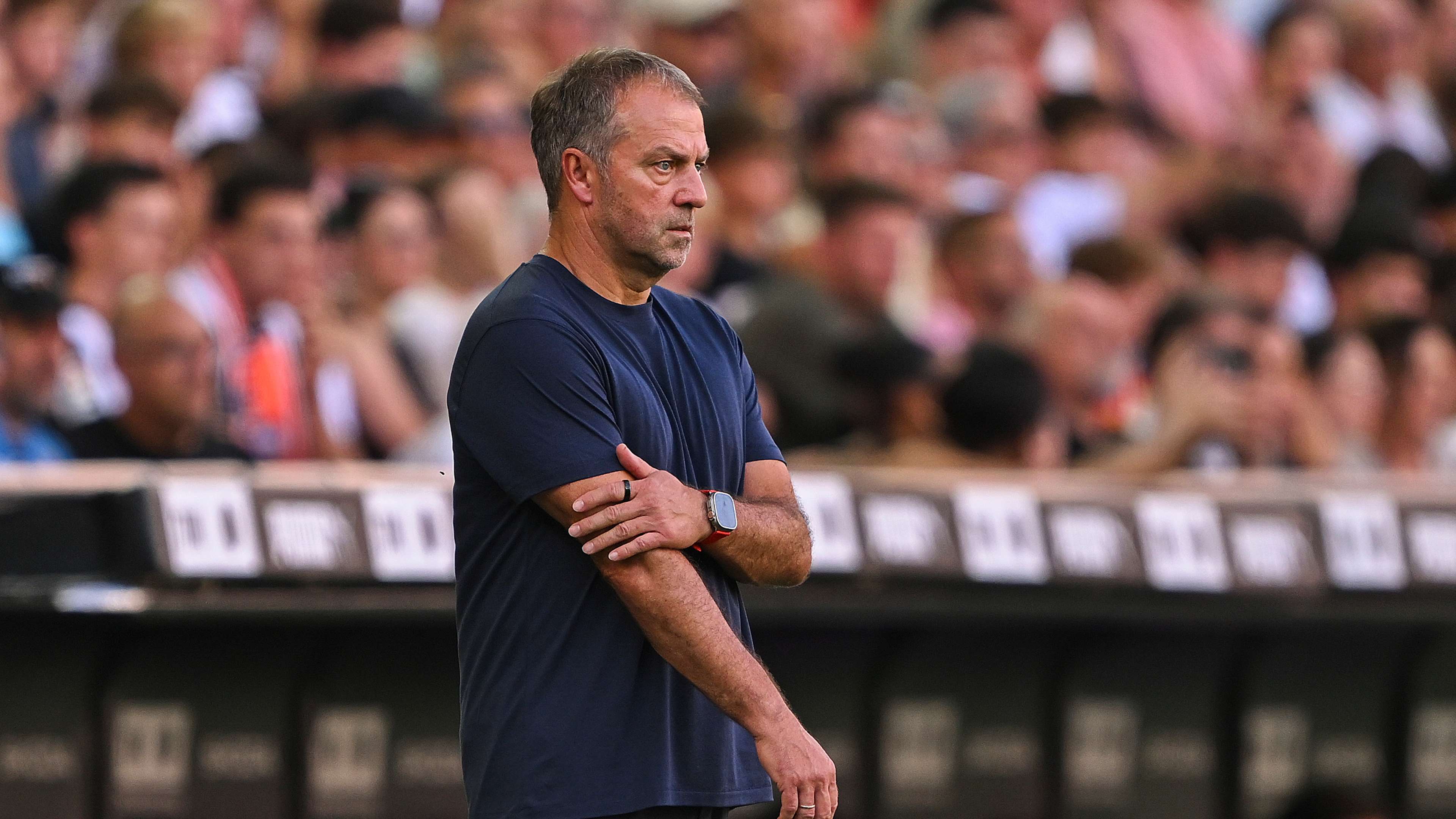
While the shortlist boasts formidable names, the most talked-about omission is Hansi Flick. The former Barcelona coach, who led the Catalan giants to silverware last season, was surprisingly left out of the final five. Despite his success at club level, especially in domestic competitions, Flick’s failure to mount a significant challenge in the European Champions League appeared to have cost him dearly in the selection process.
This omission has sparked lively debates among football pundits and fans, raising questions about the criteria used to determine the best coach in the world. Is it solely about trophies, or should consistency and performance in continental competitions weigh more heavily? The controversy underscores the highly competitive and subjective nature of football prediction for awards like the Ballon d’Or.
What Does This Mean for Football Predictions?
The narrowing down of candidates to these five managers reflects how close the race is in contemporary football coaching. Each coach has a compelling narrative, and the fine margins separating their achievements make this prediction contest particularly intense. As the award ceremony approaches, fans and analysts are eager to see who will ultimately be crowned the best coach in the world in 2026.
This year’s shortlist also exemplifies the diversity of coaching philosophies—from tactical discipline and defensive solidity to attacking flair and innovative strategies. It highlights how football prediction models are increasingly considering a combination of domestic success, European performances, and the ability to adapt to different competitions.
Conclusion: A Year of Exceptional Coaching Achievements
The upcoming Ballon d’Or ceremony promises to be one of the most exciting in recent memory, with a shortlist that truly captures the essence of excellence in football coaching. Whether it’s de la Fuente’s international triumphs, Arteta’s historic Premier League victory, Enrique’s European flair, Emery’s tactical mastery, or Kompany’s emerging brilliance—each candidate embodies the very best of what modern football coaching has to offer.
As fans worldwide debate and discuss, one thing is clear: the race for the best football coach prediction in 2026 is razor-thin, and the decision will reflect not just individual achievements but also the evolving landscape of global football.