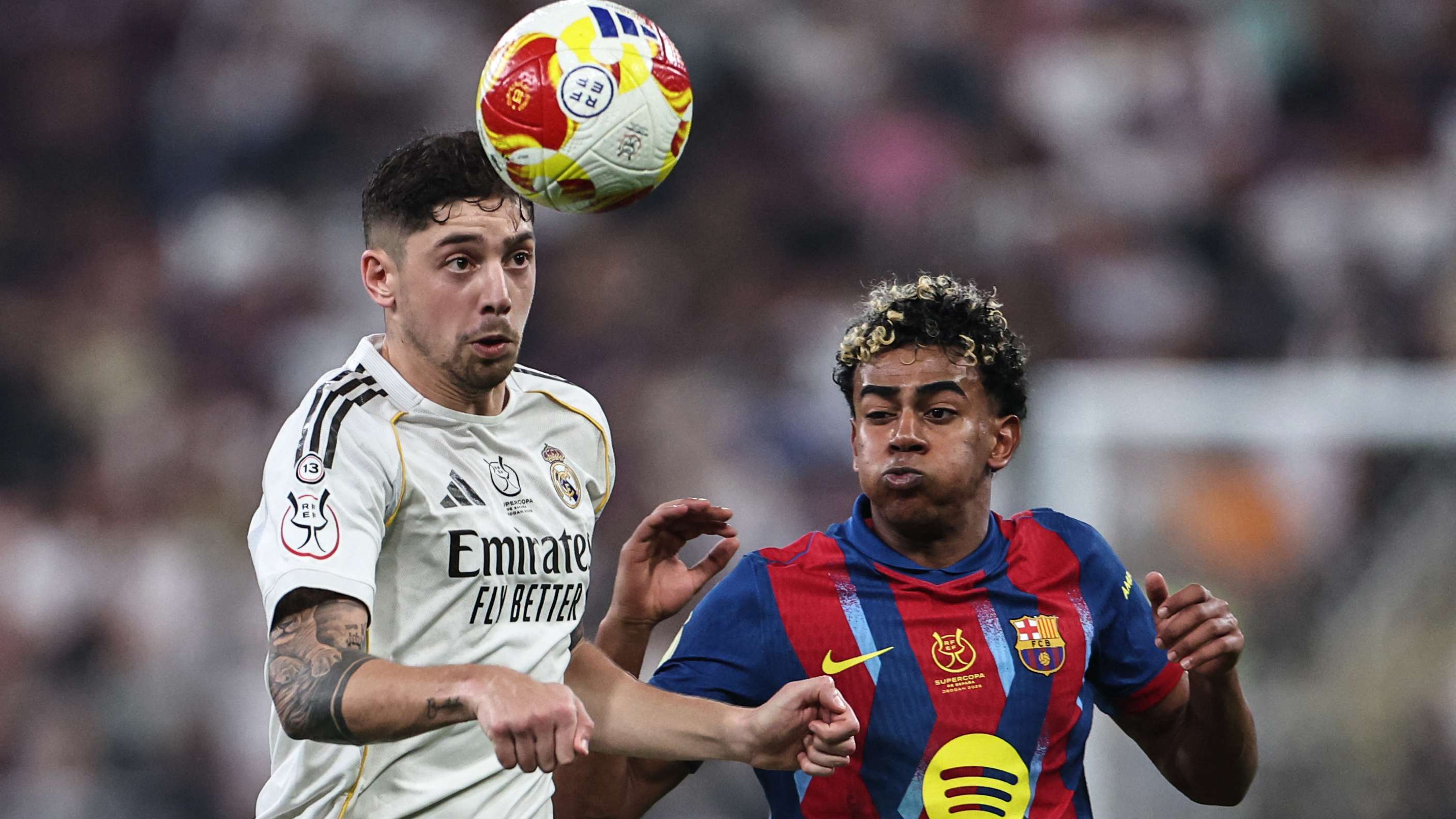

La Spanish La Liga has recently made headlines with the announcement of an innovative and nostalgic event called “Retro Matchday,” set to take place in April. This unique initiative will see the majority of Spanish professional football clubs donning kits inspired by iconic designs from their past, bringing a touch of nostalgia and history to the current season. However, the decision by football giants Barcelona and Real Madrid to opt out of the wardrobe change has sparked controversy and overshadowed the excitement surrounding the event.
The Unprecedented “Retro Matchday”
La Liga’s “Retro Matchday” is set to be a one-of-a-kind event that aims to celebrate the rich history and heritage of Spanish football. Clubs across the league will pay homage to their past by wearing vintage-inspired kits that showcase iconic designs from bygone eras. This initiative not only serves as a way to honor the traditions of each club but also allows fans to reminisce about the glory days of Spanish football.
Controversy Surrounding Barcelona and Real Madrid
While the majority of La Liga clubs have embraced the idea of “Retro Matchday” with enthusiasm, the decision by Barcelona and Real Madrid to stick with their modern attire has raised eyebrows and drawn criticism. As two of the biggest and most influential football clubs in Spain, their choice to opt out of the wardrobe change has overshadowed the initiative and sparked debate among fans and pundits alike.
The absence of Barcelona and Real Madrid from the “Retro Matchday” event has left many wondering about the reasons behind their decision. Some speculate that the clubs may have concerns about branding and marketing, as their current kits are closely associated with their respective identities and sponsors. Others believe that Barcelona and Real Madrid simply prefer to focus on the present rather than dwell on the past.
Impact on the Initiative
Despite the controversy surrounding Barcelona and Real Madrid, the “Retro Matchday” initiative is still expected to be a memorable and exciting event for fans across Spain. The opportunity to see their favorite clubs don vintage-inspired kits will undoubtedly evoke feelings of nostalgia and pride, allowing supporters to connect with the history and tradition of their teams in a unique way.
While Barcelona and Real Madrid’s decision to forego the wardrobe change may have dampened the initial excitement surrounding the event, the majority of La Liga clubs are fully committed to embracing the spirit of “Retro Matchday” and honoring their past through their attire. As the date of the special matchday approaches, anticipation and curiosity continue to grow among football enthusiasts eager to see their beloved teams donning retro kits on the pitch.
In conclusion, while the absence of Barcelona and Real Madrid from La Liga’s “Retro Matchday” may have caused a stir, the initiative itself remains a testament to the league’s dedication to preserving and celebrating the history of Spanish football. With the event set to take place in April, fans can look forward to a truly unique and memorable experience that pays homage to the rich heritage of the beautiful game in Spain.
The Significance of “Retro Matchday” in Football Culture
La Liga’s “Retro Matchday” not only serves as a fun and nostalgic event for fans but also highlights the importance of history and tradition in football culture. By showcasing vintage-inspired kits, clubs are honoring their roots and acknowledging the legacy that has shaped their identities. This initiative allows supporters to connect with the heritage of their teams on a deeper level, fostering a sense of pride and belonging that transcends the current season’s performance.
The Marketing Dilemma for Barcelona and Real Madrid
The decision by Barcelona and Real Madrid to abstain from participating in “Retro Matchday” sheds light on the delicate balance between tradition and commercial interests in modern football. While both clubs have a rich history to draw from, they also operate as global brands with lucrative sponsorship deals that heavily rely on their current kits for visibility and recognition. Opting out of the wardrobe change may reflect a strategic move to protect their brand image and maintain consistency in their marketing efforts.
Additionally, Barcelona and Real Madrid’s choice to prioritize their present identity over a nostalgic gesture may indicate a shift towards a more forward-thinking approach in an increasingly competitive and commercial football landscape. By staying true to their current branding and focusing on their current performance, they are reaffirming their commitment to remaining at the forefront of the footballing world.
Fan Reactions and Expectations
The mixed reactions to Barcelona and Real Madrid’s exclusion from “Retro Matchday” highlight the diverse perspectives and expectations of football fans. While some supporters understand and respect the clubs’ decision to maintain their modern image, others express disappointment and view it as a missed opportunity to celebrate the history and heritage of Spanish football on a grand scale.
Nevertheless, the anticipation and excitement surrounding the upcoming “Retro Matchday” remain high, with fans eagerly awaiting the chance to see their favorite clubs pay homage to their past with retro-inspired kits. The event promises to be a visual feast for football enthusiasts, offering a unique and immersive experience that transcends the boundaries of time and connects generations of fans through the shared love of the beautiful game.
Looking Ahead to a Nostalgic Celebration
As La Liga’s “Retro Matchday” draws near, the stage is set for a memorable and emotionally charged celebration of the history and heritage of Spanish football. While Barcelona and Real Madrid’s absence may have sparked debate, the collective effort of other clubs to embrace the initiative underscores the league’s commitment to preserving the essence of the sport and honoring its legacy.
Ultimately, “Retro Matchday” represents a unique opportunity for fans to come together and revel in the nostalgia of bygone eras, celebrating the moments, players, and aesthetics that have defined Spanish football throughout the years. The event stands as a testament to the enduring appeal of tradition in a rapidly evolving sporting landscape, reminding us all of the timeless allure of the game we hold dear.
By delving deeper into the implications of Barcelona and Real Madrid’s decision, exploring the cultural significance of “Retro Matchday,” and examining fan reactions and expectations, this expanded content provides a more comprehensive perspective on the upcoming event and its broader impact on Spanish football.