
Spain Eyes the 2030 FIFA World Cup Final: A Strategic Bid to Cement Its Football Heritage
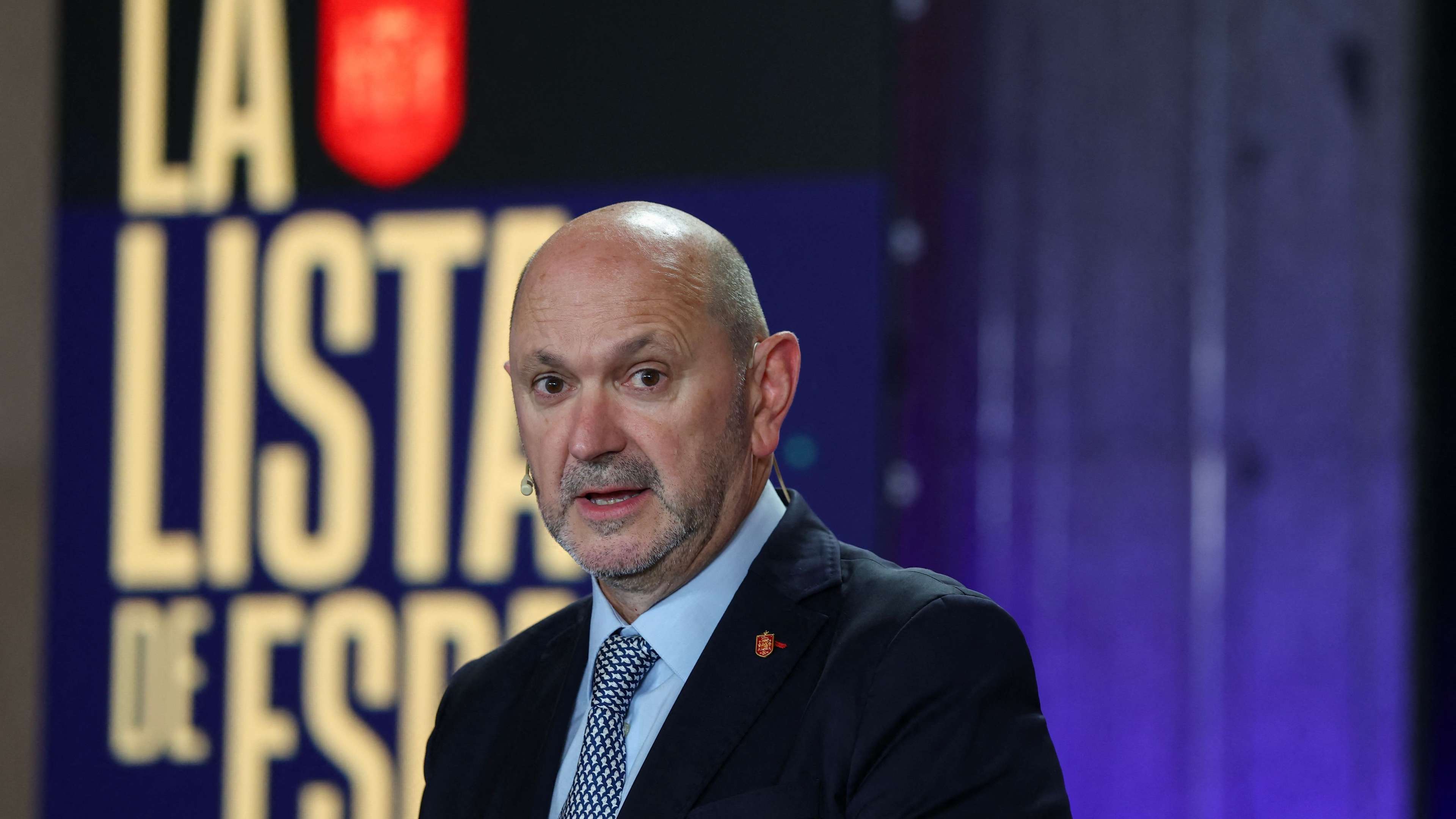
The race to host the prestigious 2030 FIFA World Cup is heating up, with Spain emerging as a prominent contender aiming to host the tournament’s grand finale. Rafael Louzán, President of the Royal Spanish Football Federation (RFEF), has publicly voiced Spain’s ambition to stage the final match, emphasizing the nation’s rich footballing heritage and its capacity to deliver a historic event. This announcement has sparked widespread discussion among football enthusiasts and experts alike, especially those interested in football prediction, as fans analyze the potential outcomes and the significance of such an iconic hosting role.
Spain’s Bid to Host the 2030 World Cup Final: A Historic Opportunity
Spain’s bid to host the 2030 FIFA World Cup final is not merely about hosting a match; it’s about making a statement on the global football stage. Louzán’s declaration underscores the deep-rooted football culture of Spain and its infrastructure, which includes 11 meticulously selected host cities across the country. These cities, renowned for their passionate football fanbases, world-class stadiums, and vibrant atmospheres, are seen as ideal venues for the tournament’s climax.
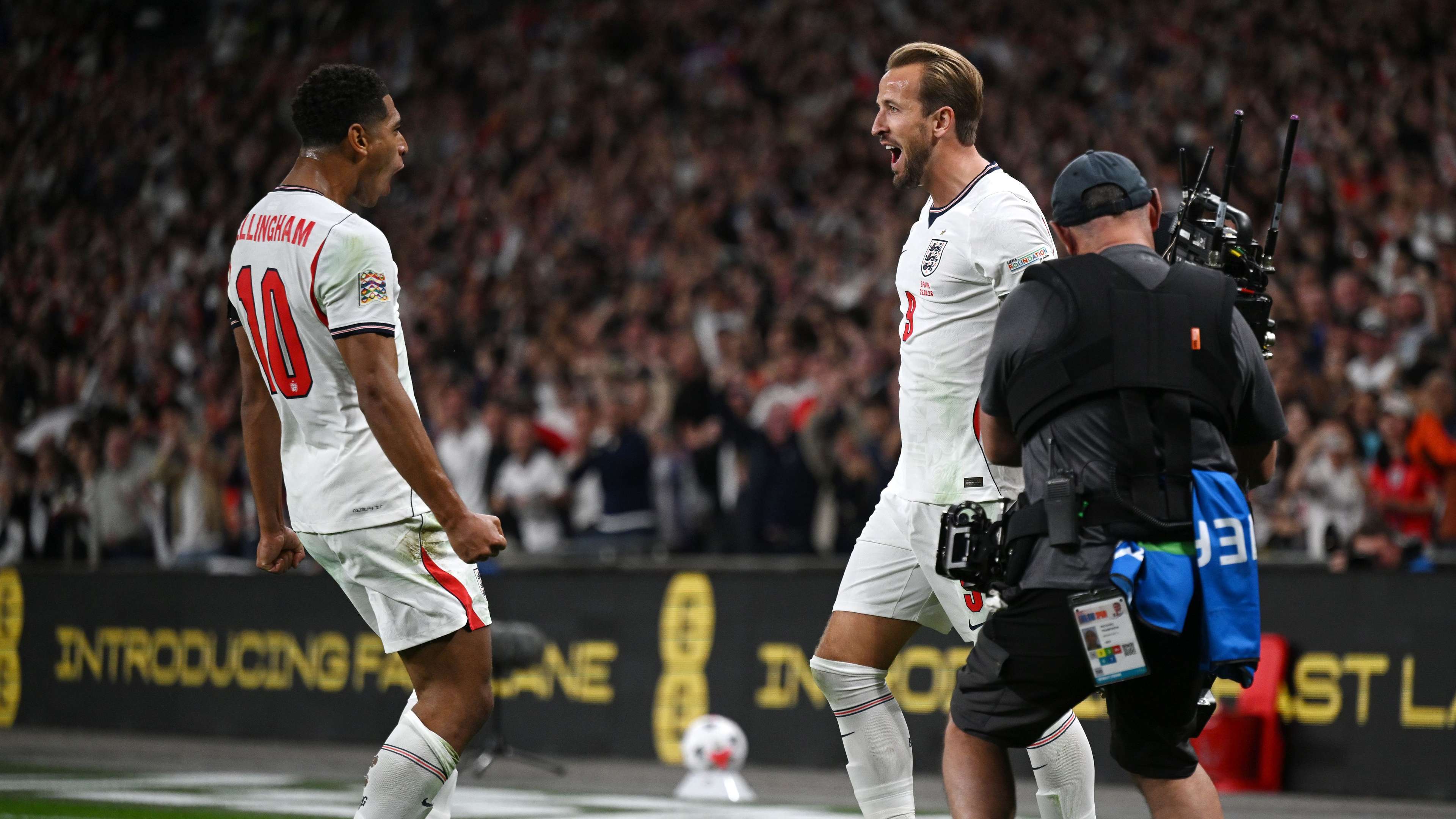
During an interview with “Onda Cero” radio station ahead of Spain’s upcoming UEFA Nations League clash against England at Wembley, Louzán highlighted the significance of this bid. He stated, “Spain carries the weight of the tournament with its 11 host cities. Everything began on the Iberian Peninsula, and there, it must end, with that great final in Spain.” This powerful statement reflects the national pride and the strategic importance of hosting the final match, which would be a fitting tribute to Spain’s footballing legacy.
The Strategic Importance of Hosting the 2030 World Cup Final
The 2030 World Cup marks a historic milestone — the centenary of the tournament’s inception in 1930. Hosting the final in Spain would symbolize a full circle, celebrating a century of global football development, innovation, and unity. The bid aligns with a broader vision to deliver the most memorable World Cup in history, emphasizing not just the sporting spectacle but also the cultural and economic impact on host nations.
Despite the enthusiasm, Louzán acknowledged that the bid process involves considerable effort. The Royal Spanish Football Federation is committed to gathering votes and demonstrating Spain’s readiness to host a world-class event. The ultimate goal is to stage a tournament that surpasses previous editions in excitement, organization, and global engagement, setting new standards for football prediction enthusiasts who analyze tournament outcomes and host impact.
Spain’s Rising Football Power and Its Role in Global Football Prediction
In recent years, Spain has reaffirmed its position as a football powerhouse, with both its men’s and women’s national teams achieving unprecedented success. The country’s men’s team recently won the 2010 World Cup and the UEFA European Championship titles, while the women’s team secured the last two editions of the FIFA Women’s World Cup. These accomplishments bolster Spain’s claim to host the 2030 final, reflecting a nation at the pinnacle of international football.
Football prediction experts are closely watching Spain’s bid, considering how hosting the final could influence tournament dynamics, team performances, and overall football prediction models. A successful bid could also lead to an influx of investment in grassroots development, stadium infrastructure, and fan engagement strategies — all critical factors in predicting future football outcomes.
Leadership and Vision: Luis de la Fuente’s Commitment to Spanish Football
Another key aspect of Spain’s footballing resurgence is the strategic leadership of Luis de la Fuente, who recently renewed his contract as head coach of the Spanish national team until 2032. Louzán expressed strong confidence in de la Fuente’s vision, describing him as a humble yet highly effective leader deserving of global recognition. The coach’s track record includes leading Spain to success in UEFA Euro 2024, and his plans are closely tied to the country’s ambitions for the 2026 World Cup and beyond.
De la Fuente’s leadership is viewed as instrumental in maintaining Spain’s competitive edge and fostering a generation of talented players. His coaching philosophy emphasizes tactical discipline, technical excellence, and mental resilience — qualities that are crucial for success in major tournaments and are often analyzed in football prediction models.
The Broader Context: Spain’s Strategic Footballing Goals and Global Ambitions
Spain’s pursuit of the 2030 World Cup final is part of a broader strategic vision to elevate its standing in international football. The bid aligns with the country’s ongoing efforts to host major tournaments, such as the Champions League final and other international events, which serve to showcase its facilities and organizational capabilities.
Moreover, the bid reflects a desire to promote football development across all levels in Spain, from youth leagues to professional tiers. Hosting the final would amplify this momentum, attracting global attention, tourism, and investment — elements that are vital for the sustainable growth of football in the country.
Implications for Football Prediction and Future Tournaments
For football prediction enthusiasts, the potential of Spain hosting the 2030 World Cup final presents an intriguing scenario. The tournament’s outcome could be influenced by numerous factors, including the host nation’s infrastructure, team form, and logistical support. Predictive models often consider historical success, team strength, and home advantage — and hosting the final naturally offers a significant boost.
Furthermore, the bid’s success could influence the competitive landscape of international football, with Spain potentially entering the tournament as a favored host, which might impact betting patterns and prediction strategies. Experts will be keen to analyze how the tournament’s location and organization might sway the results, making Spain’s bid a focal point for football prediction discussions in the lead-up to 2030.
Conclusion: A Pivotal Moment in Football History
Spain’s bid to host the 2030 FIFA World Cup final symbolizes more than just a national ambition — it reflects the country’s desire to celebrate its footballing heritage and contribute to the sport’s global evolution. As the bidding process unfolds, football fans, analysts, and prediction enthusiasts worldwide will be watching closely, eager to see if Spain can secure its place in history by hosting one of the most iconic matches in football history.
With unwavering confidence from its football leadership, a proven track record of success, and a passionate football community, Spain is poised to make a compelling case. The final decision will shape the future of international football and could set new standards for hosting, sporting excellence, and global unity through football prediction and analysis.