
Al-Hilal Face a Defining Contract Decision Over Captain Salem Al-Dawsari
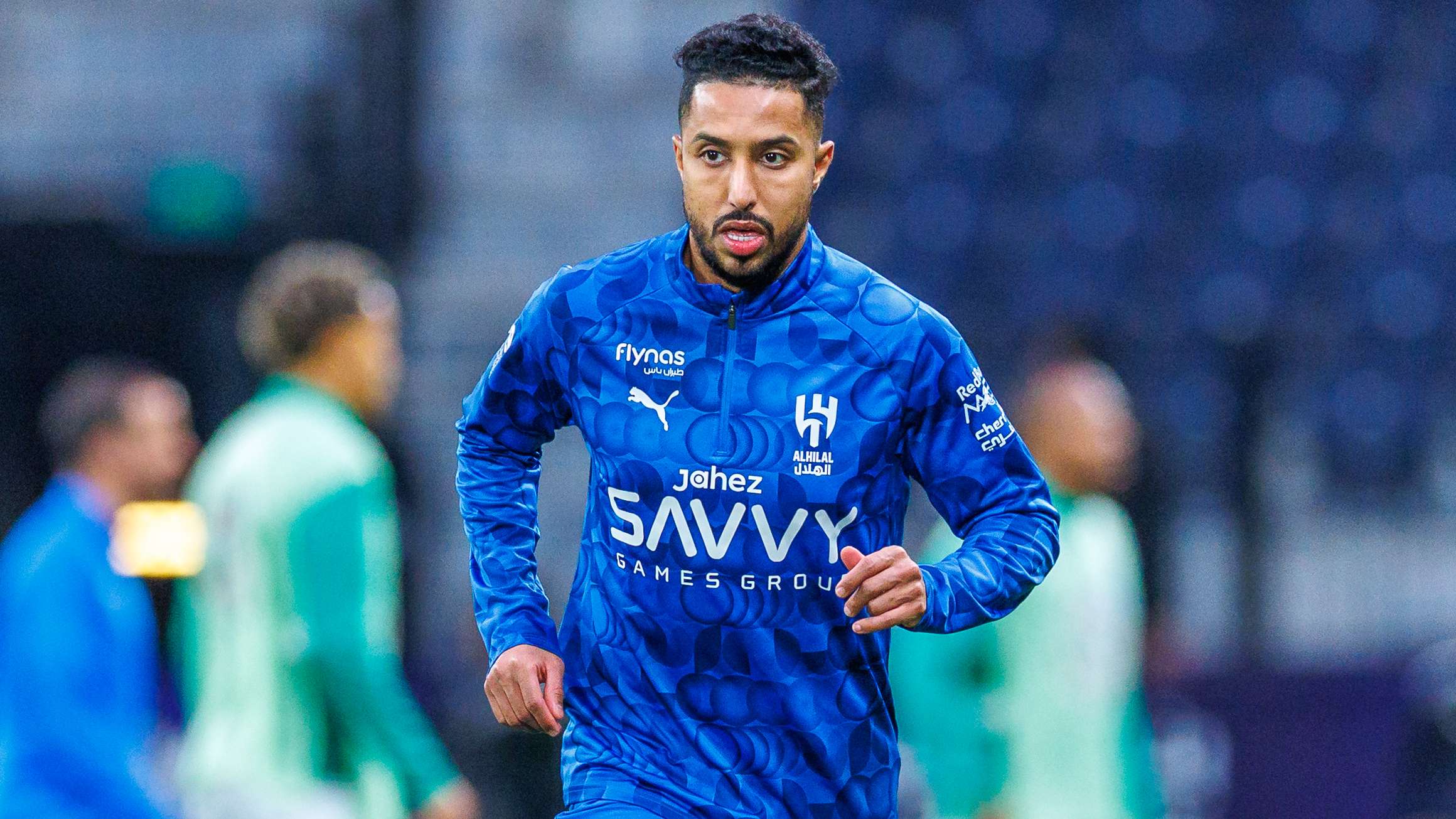
Al-Hilal may soon have to make a difficult call on one of the most influential figures in the club’s modern history. Captain Salem Al-Dawsari is approaching a key point in his contract, and questions over his fitness have added uncertainty to what might otherwise have been a straightforward renewal discussion.
The Saudi Pro League side must weigh two competing considerations: Al-Dawsari’s importance as a leader and attacking player, and the risk of committing to a new deal while injuries are interrupting his season. With the veteran winger now 34, the decision is not simply about what he has achieved for Al-Hilal, but what he can realistically contribute in the seasons ahead.
Why January Could Shape Al-Hilal’s Plans
Al-Dawsari’s current agreement is reported to run until June 2027, while the approaching January transfer window is expected to bring his future into sharper focus. Under the relevant contract rules, a player nearing the end of his deal may be able to discuss a future move with other clubs without his current team’s permission. That possibility could encourage Al-Hilal to clarify their position sooner rather than later.
The club could open renewal talks and try to secure the captain’s future before uncertainty grows. Alternatively, management may prefer to wait for more evidence about his fitness and performances before deciding what terms, if any, would be appropriate. Either route carries consequences: an early offer would underline the club’s commitment to its captain, while a delay could leave Al-Hilal with less control over the situation.
For supporters following the club’s football campaign, the timing matters because contract planning can affect more than one player. Al-Hilal must balance its short-term ambitions with longer-term squad building, including decisions about the age profile, depth and availability of its attacking options.
Injuries Complicate the Contract Prediction
Al-Dawsari’s recent season has been disrupted by physical setbacks. He missed the opening stretch of the campaign with an injury and, according to the information available, has appeared in only three matches. After returning to contention, he suffered another muscle problem that forced him out again.
Those absences make it harder for the club to assess his likely contribution over a full season. A player’s influence is not measured only by goals, assists or moments of individual brilliance; regular availability is also essential, particularly when a team is competing across domestic and continental competitions. If Al-Dawsari cannot build a consistent run of matches, Al-Hilal may need to reconsider how heavily they rely on him.
That does not automatically mean his career at the club is nearing its end. Muscle injuries can vary in severity, and a carefully managed return could allow him to regain rhythm. However, the pattern of missed games is likely to be part of any internal review. Before offering a long-term extension, the club may want clearer information about his recovery, workload tolerance and ability to perform across a demanding schedule.
What a New Deal Might Look Like
If Al-Hilal decide to renew, the structure of the agreement could be as important as its length. A shorter extension, performance-related incentives or a carefully managed role might help the club recognise his status while limiting the risk of a long commitment. Such terms could also give Al-Dawsari an opportunity to demonstrate that he can remain a dependable contributor.
Any negotiation would need to account for the player’s perspective as well. As captain and a long-serving figure, he may want clarity about his place in the squad and the club’s plans for him. A respectful, transparent process could help both sides avoid a drawn-out standoff during a crucial stage of the season.
Why Al-Dawsari Still Matters to Al-Hilal
The case for keeping the captain goes well beyond sentiment. Al-Dawsari has been a central part of Al-Hilal’s success for years, contributing attacking quality, big-match experience and an understanding of the club’s expectations. His ability to influence games in advanced areas has made him a valuable option, while his leadership carries weight in the dressing room.
That experience can be especially important in high-pressure fixtures, where composure and familiarity with the club’s demands may prove just as valuable as physical freshness. Younger players can benefit from having an established leader alongside them, and Al-Dawsari’s presence could help maintain continuity as the squad evolves.
His record also gives the discussion a broader significance for supporters. Decisions involving long-serving captains often become a test of how a club balances loyalty with planning. Al-Hilal will want to honour what Al-Dawsari has delivered without allowing past achievements to replace a clear assessment of current and future performance.
The Football Prediction: A Decision Based on Fitness and Terms
At this stage, any prediction about Al-Dawsari’s future should remain cautious. A renewal is possible if he recovers well and the club can agree on a deal that reflects both his importance and the uncertainty around his availability. If injuries continue to limit his involvement, Al-Hilal may instead consider a shorter arrangement, a reduced role or an eventual separation when the current contract ends.
The coming months should provide important clues. His return to training, the length of his recovery and the number of consecutive matches he can complete may all influence the club’s thinking. Performances will matter, but so will the medical picture and the demands of Al-Hilal’s schedule.
Ultimately, the club faces a choice between backing a captain who has helped define an era and preparing for a future in which his role may be smaller. Al-Dawsari’s legacy at Al-Hilal is secure, but his next chapter will depend on whether his body can support continued contributions at the highest level. For now, the contract question remains open—and January could bring the first meaningful indication of which direction the club intends to take.