
Barcelona Fans Create a Striking Camp Nou Mosaic Before El Clásico
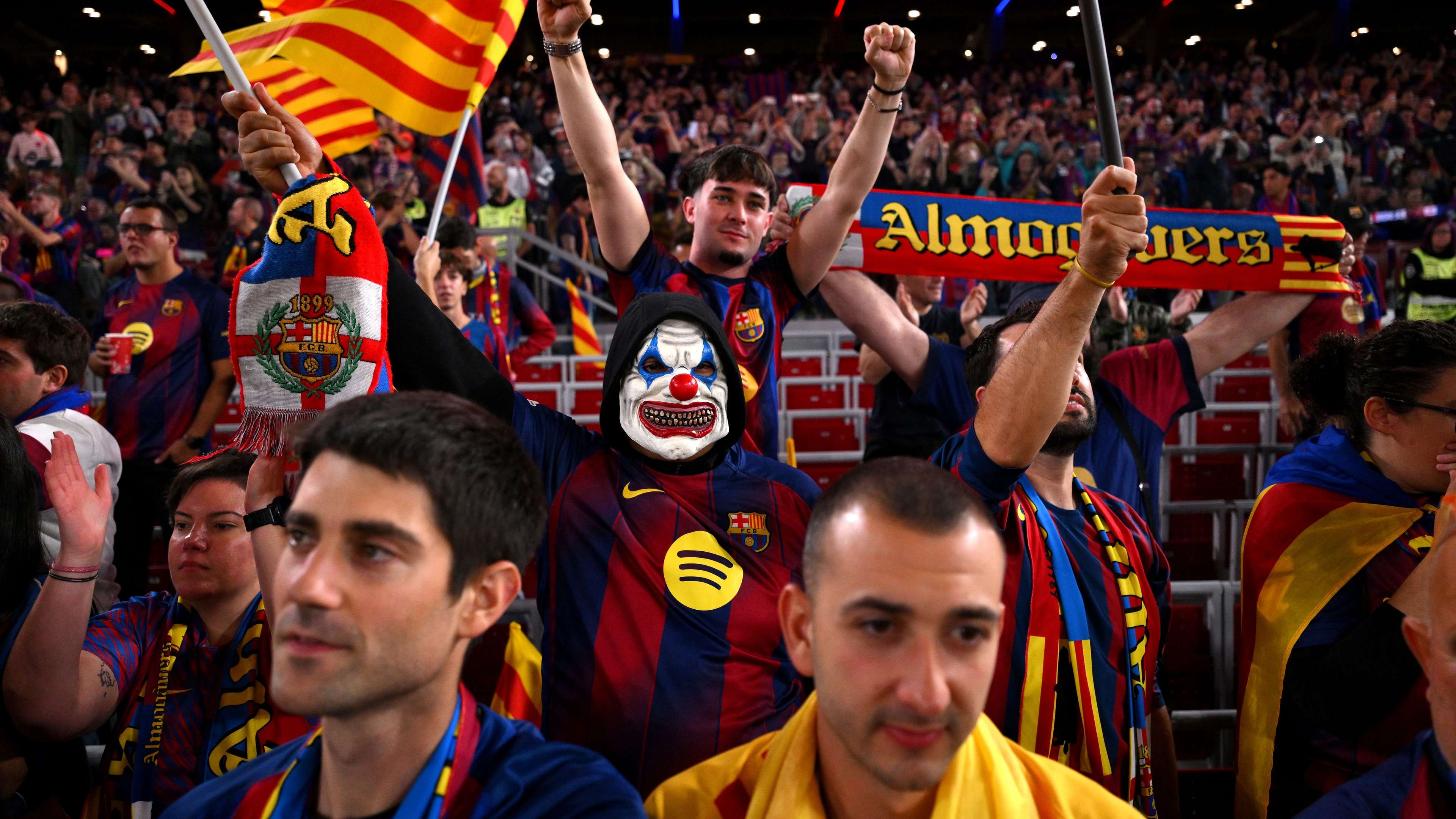
Barcelona’s supporters made their presence felt before the latest meeting with Real Madrid, transforming the Camp Nou into a vivid display of club pride ahead of one of football’s most anticipated fixtures. As the teams prepared to face each other in the tenth round of La Liga, fans in the stands unveiled a large blue-and-red mosaic designed to inspire the home side and underline the occasion’s significance.
The pre-match spectacle offered more than a burst of colour. It brought thousands of supporters together in a coordinated tribute to Barcelona, setting an emotional tone before the first whistle and adding another memorable moment to the long history of El Clásico.
“Batec blaugrana” fills the stands
According to Spanish newspaper Mundo Deportivo, blue and red cards covered the first and second tiers of the stadium. Together, they formed the words “Batec blaugrana”, which translates roughly as “blue-and-red heartbeat.” Waves woven into the design represented the collective pulse of Barcelona’s supporters and their passion for the club.
The message was especially fitting for a match against Real Madrid, Barcelona’s historic rivals. El Clásico is more than a regular league fixture: it is a contest shaped by sporting ambition, regional identity, generations of memories and the intense expectations of fans around the world. The mosaic gave those emotions a visible form, turning the crowd into part of the occasion before the players had even begun.
For the Barcelona squad, such a welcome can provide a powerful lift. A packed stadium, coordinated chants and a carefully planned display help create a sense of momentum, while reminding players that they are representing a vast community of supporters. For visiting teams, the same atmosphere can make the opening minutes feel particularly demanding.
A growing Camp Nou tradition
The display was the second mosaic staged at the Camp Nou since the stadium’s renovation. The first took place during last season’s Clásico against Real Madrid, when fans arranged blue and red banners to create the Barcelona crest alongside the words “Força Barça”, meaning “Come on, Barça.” The Catalan flag, the Senyera, was also displayed in the southern stand.
These large-scale tributes have become a distinctive way for supporters to mark major occasions. Unlike a banner held by a small group, a stadium mosaic depends on thousands of people following instructions at the same time. The result is a shared visual statement that can be seen from across the ground and in photographs watched by audiences far beyond Barcelona.
The return of the tradition after the renovation also reflects the importance of the Camp Nou as more than a venue. For many supporters, it is a symbol of the club’s history and identity. As the stadium continues to welcome fans through its updated facilities, displays like this help connect the new setting with familiar matchday rituals.
Barcelona entered the match with a league advantage
Barcelona arrived at the Clásico in a strong position in the La Liga standings. The team had collected 28 points from its opening matches and sat at the top of the table. That total gave the Catalan club a six-point cushion over third-placed Real Madrid, adding an important competitive edge to the rivalry.
League position can shape the pressure surrounding a Clásico, but it rarely makes the outcome easy to forecast. A victory for Barcelona would strengthen its title credentials and extend its advantage over a major rival. Real Madrid, meanwhile, had the opportunity to close the gap and disrupt the leaders’ momentum. In a fixture where individual moments can outweigh broader form, the pre-match prediction remained difficult.
That uncertainty is part of the appeal. Tactical adjustments, the quality of finishing, defensive concentration and the ability to handle the crowd’s energy can all influence the result. The mosaic could not decide the match, but it helped establish the atmosphere in which the contest would unfold.
Why the spectacle matters to football fans
For global audiences, El Clásico combines elite football with a compelling cultural backdrop. The rivalry regularly attracts attention from supporters who follow La Liga closely as well as viewers who tune in for the occasion. A stadium display gives that audience another story to follow: not only the battle on the pitch, but also the creativity and commitment of the fans in the stands.
Supporter-led displays can also strengthen a club’s connection with its community. The phrase “Batec blaugrana” suggests that Barcelona’s identity is carried collectively, with each fan contributing to the atmosphere. That idea resonates beyond matchday, particularly for supporters who live far from the city but remain connected to the club through its colours, traditions and major fixtures.
As Barcelona and Real Madrid continue their rivalry, the Camp Nou mosaic stands as a reminder that football is shaped by more than tactics and results. It is also built on ritual, belonging and shared anticipation. Before the players took to the pitch, Barcelona’s fans had already delivered their own statement: the club’s heartbeat, they declared, was present in every section of the stadium.
What comes next
Barcelona’s attention will soon return to the demands of the La Liga schedule, where maintaining consistency is essential in a title race. Real Madrid, too, will look to respond in its upcoming fixtures and keep pressure on the teams above. The Clásico’s result may influence the standings, but the season is long, and each side will need to manage form, fitness and the challenges of a crowded calendar.
For supporters, the mosaic will remain one of the match’s defining images: a bold, carefully coordinated celebration of Barcelona football and a reminder of the atmosphere that makes El Clásico one of the sport’s most closely watched events.