
Leandro Paredes Responds Forthrightly to FIFA’s Controversial Suspension: Analyzing the Football Scandal and its Broader Impact
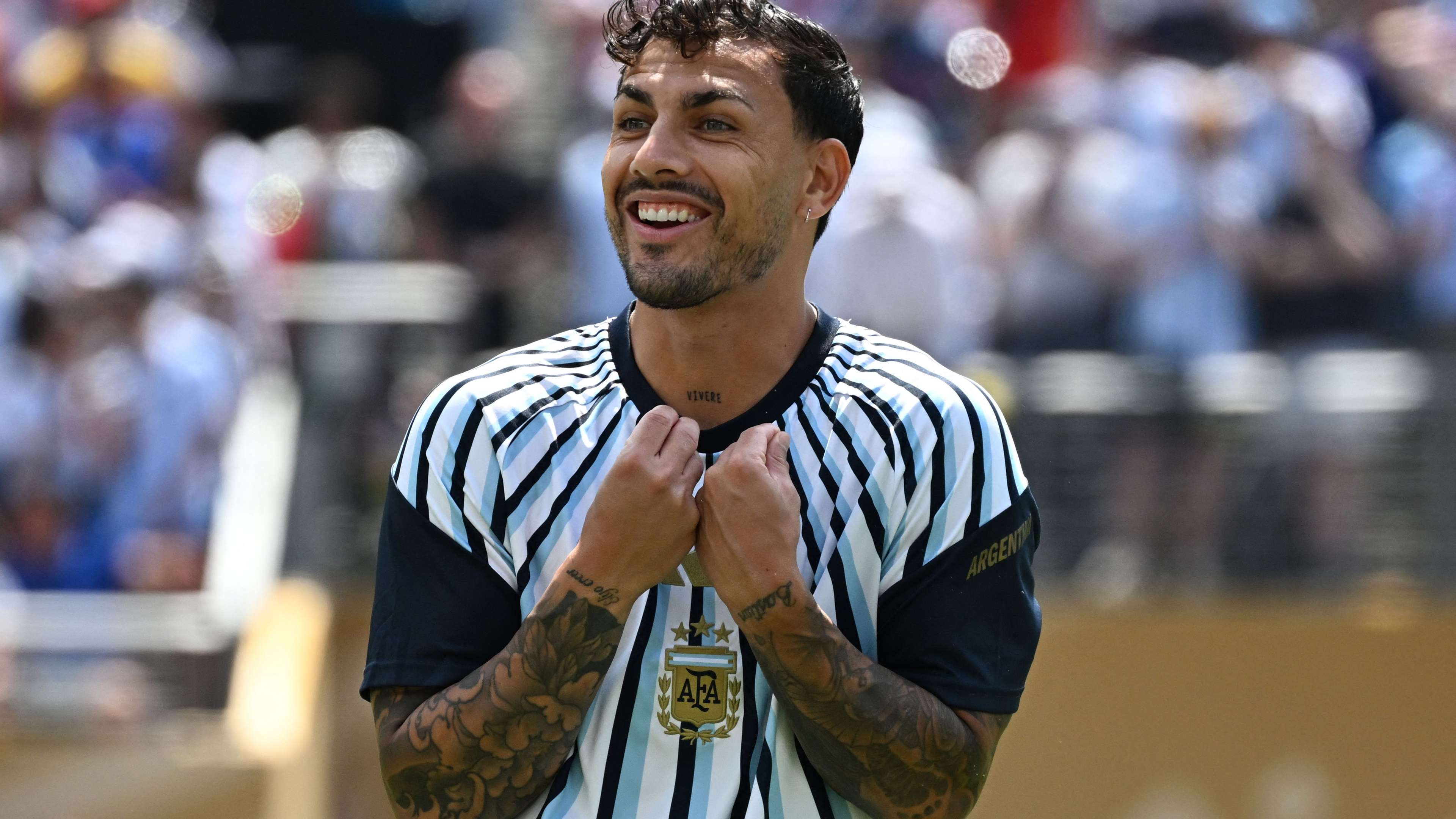
The world of football was rocked in the aftermath of the dramatic events following the recent World Cup final, with Argentine midfielder Leandro Paredes emerging as a central figure in a contentious disciplinary saga. After receiving a record suspension from FIFA, Paredes has publicly voiced his disagreement, accusing the sport’s governing body of disproportionate punishment. This high-profile incident not only sparks debate about disciplinary fairness but also raises questions about the integrity of football’s regulatory framework and its influence on predictions for upcoming matches.
Revisiting the Incident: What Transpired on the Pitch?
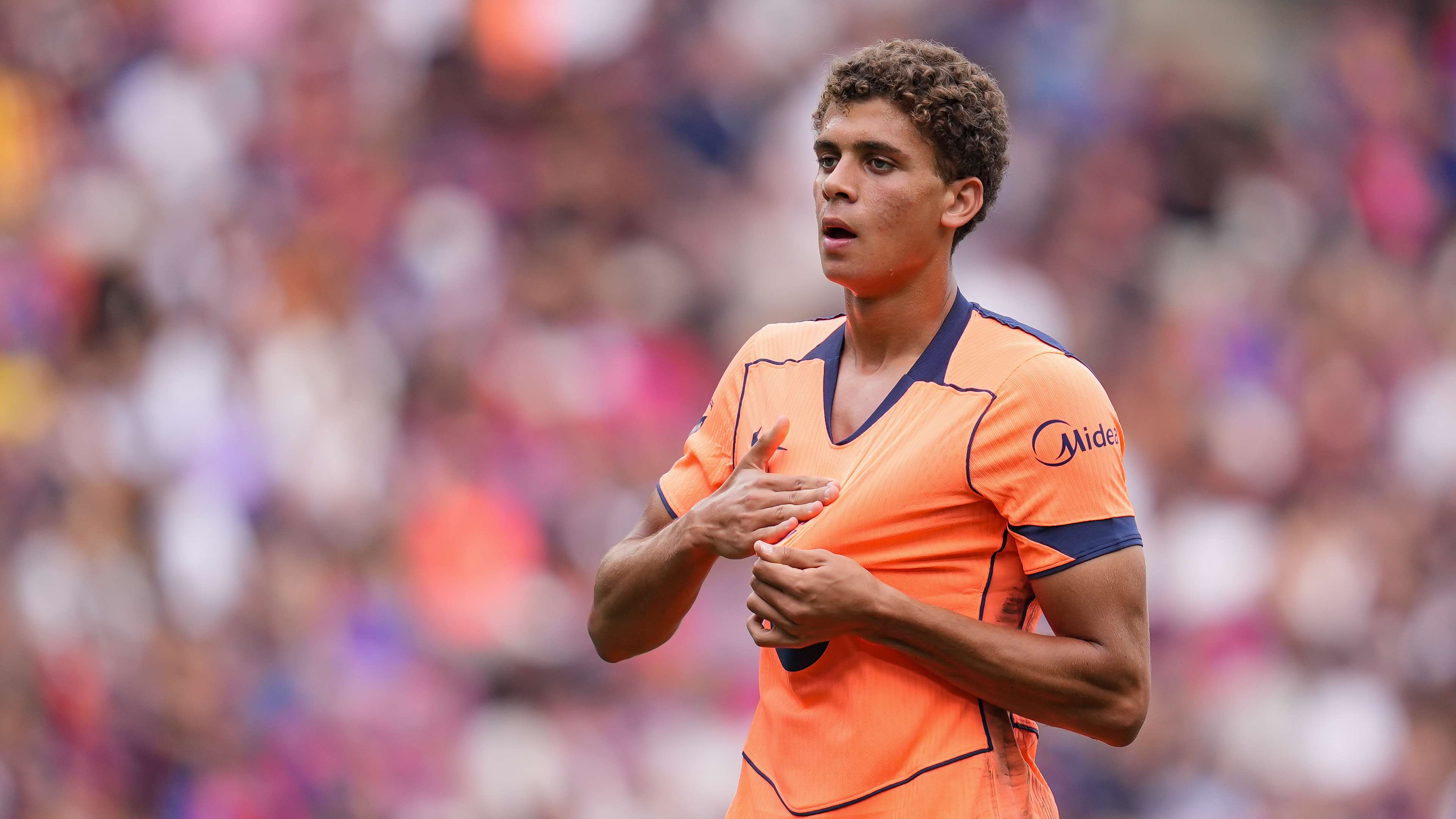
In the intense atmosphere of the World Cup final—a fiercely contested match that ended 1-0 in favor of Spain after extra time—emotions ran high. Paredes, representing Argentina, was involved in a series of fiery exchanges immediately after the final whistle. The tension culminated in a physical altercation with Spain’s Eric Garcia, with Paredes shoving the Barcelona defender. The situation escalated further when Gavi, the young Spanish star, intervened to defend Garcia, leading to a chaotic melee on the pitch.
Footage from the incident shows a frenzied scene, with Paredes visibly engaged in physical confrontations, including an altercation with Gavi, which resulted in legal and disciplinary repercussions. Such scenes, while not uncommon in high-stakes football matches, often draw intense scrutiny from FIFA, especially when violence spills over into on-field misconduct.
FIFA’s Disciplinary Action: A Record Suspension and Its Implications
Following the incident, FIFA’s Disciplinary Committee handed down a severe punishment: a 10-match suspension for Paredes, making it one of the most significant disciplinary measures in recent football history. Gavi, by contrast, received a comparatively lenient suspension of just one match, despite being involved in the altercation. Argentina’s Nahuel Molina was also suspended for seven matches after provoking Spanish player Rodri during the chaos.
Additionally, FIFA imposed a hefty fine of 275,000 euros on the Argentine Football Association (AFA), citing violations of tournament regulations, including provocative displays and breaches of conduct during the World Cup. The incident not only cast a shadow over the tournament but also highlighted the complex challenges FIFA faces in maintaining discipline while balancing the emotional intensity of football’s biggest stage.
The Political Undertones and Controversies Surrounding Argentina’s World Cup Campaign
The controversy extended beyond the pitch. During the semi-final victory against England, some Argentine players, including Lionel Messi, Cristian Romero, Giovani Lo Celso, and Lisandro Martinez, displayed a banner asserting Argentina’s sovereignty over the Falkland Islands. This provocative act, which is considered politically sensitive and strictly prohibited under FIFA’s regulations, drew additional sanctions and spotlighted the intersection of sport and geopolitics.
Argentina’s Strategic Response: Special Arrangements and Legal Challenges
In an effort to mitigate the impact of these sanctions on their upcoming fixtures, the Argentine Football Association (AFA) has negotiated a special arrangement with FIFA. Paredes and Molina are permitted to serve their suspensions during upcoming Category A friendly matches, allowing them to remain eligible for official competitions without missing crucial fixtures.
Beyond these tactical adjustments, the AFA is preparing a comprehensive legal challenge. They are awaiting the official written grounds of FIFA’s verdict from Zurich, which will enable them to formally appeal to the FIFA Appeal Committee. If this avenue does not yield favorable results, the case could be escalated to the Court of Arbitration for Sport (CAS), a move that could have significant repercussions for football disciplinary procedures and the sport’s governance.
Understanding the Broader Context: What Does This Mean for Football Predictions?
For football enthusiasts and analysts, these disciplinary developments have far-reaching implications, especially when considering predictions for upcoming matches. The suspension of key players like Paredes could influence team dynamics, tactical setups, and ultimately, match outcomes. Analysts must now factor in such disciplinary uncertainties when making predictions about Argentina’s prospects in future tournaments and friendlies.
Moreover, the incident underscores the importance of understanding the emotional and political context that often accompanies high-stakes football. Such factors can influence player behavior, referee decisions, and FIFA’s disciplinary responses—all of which are critical components in accurate football prediction models.
Future Outlook: The Road Ahead for Paredes and the Argentine National Team
As the legal proceedings unfold, the football world watches closely. Paredes remains a vital figure for Argentina, known for his tactical intelligence and midfield mastery. His upcoming availability, whether through the special arrangement or after serving the suspension, will be pivotal for Argentina’s strategic plans in international fixtures.
The AFA’s legal challenge could set a precedent for how disciplinary actions are handled in future tournaments. If FIFA’s sanctions are overturned or reduced, it might signal a shift towards a more balanced approach, considering the context of on-field incidents. Conversely, a upheld suspension could reinforce FIFA’s stance on maintaining strict discipline to uphold the integrity of the sport.
Final Thoughts: The Intersection of Football, Politics, and Justice
The Leandro Paredes saga encapsulates the complexities of modern football—where passion, politics, and governance intersect. As the sport continues to evolve, so too does the need for transparent and proportionate disciplinary measures that respect players’ rights while safeguarding the sport’s integrity.
For fans and bettors alike, understanding these developments is crucial for making informed predictions about football matches. The incident serves as a reminder that behind every game are stories of emotion, controversy, and the ongoing quest for justice in the beautiful game.
Conclusion
Leandro Paredes’ outspoken response to FIFA’s suspension reflects a broader debate about fairness and discipline in football. As legal battles unfold and the sport navigates political sensitivities, one thing remains clear: football prediction models must adapt to these unpredictable variables. Whether Paredes returns to the pitch sooner or later, his case exemplifies the challenges of enforcing discipline in a sport driven by passion and intense national pride.