
Why Did Barcelona Remain Silent Amid Lionel Messi’s Retirement? A Closer Look at the Club’s Controversial Response
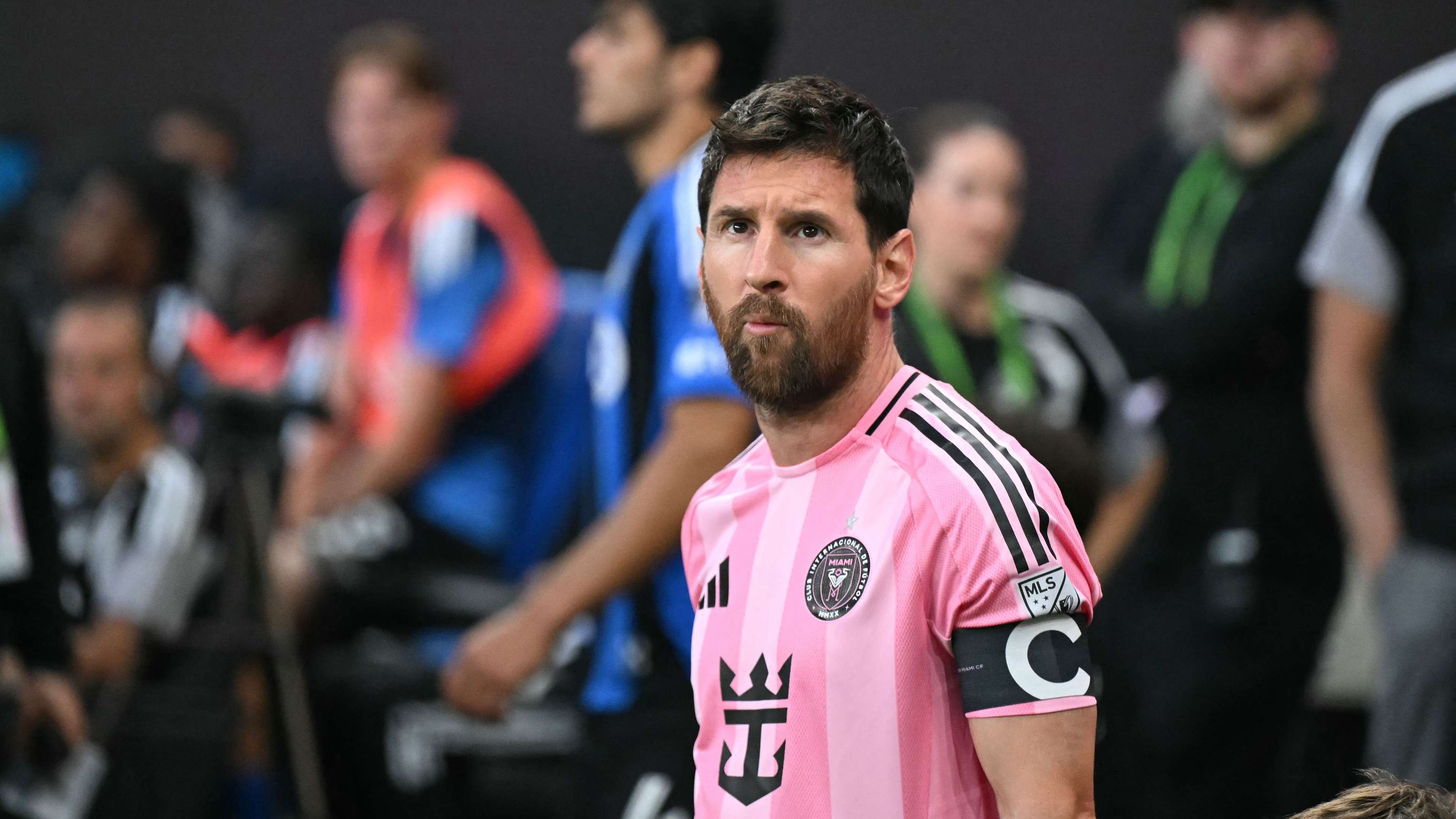
The world of football was taken by storm when Lionel Messi, widely regarded as one of the greatest players in the history of the sport, announced his retirement from international football. The legendary Argentine icon, who spent the bulk of his illustrious career at FC Barcelona, drew widespread admiration and tributes from fans, clubs, and sports organizations globally. Yet, in a surprising twist, Barcelona — the club where Messi carved his legendary status — opted for a muted response, sparking debate and controversy among football fans and analysts alike.
The Magnitude of Messi’s Retirement in the Football World
On Monday, Messi officially declared his decision to step away from international duty with the Argentina national team. The announcement was met with an outpouring of tributes from across the globe, emphasizing his extraordinary contributions to football. Many considered this moment as not just a farewell to international football but a testament to his enduring legacy as one of the sport’s all-time greats.
From fans in Buenos Aires to football pundits worldwide, the sentiment was clear: Messi’s retirement marked the end of an era. The Argentine maestro’s exploits, including his record-breaking goals, mesmerizing dribbles, and clutch performances in pivotal tournaments, elevated him into legendary status. The football community, media, and supporters eagerly expected a grand tribute from his former club, Barcelona, which was where Messi’s journey to stardom truly began.
Barcelona’s Tepid Response Sparks Debate
Contrary to the widespread celebrations, Barcelona’s reaction was surprisingly subdued. The club’s official social media channels initially posted a brief comment on Messi’s announcement, stating: “You gave everything you had until your last breath. Your country and the entire city of Barcelona are proud of the legacy you left.” While this message acknowledged Messi’s contributions, it fell noticeably short of the emotional tribute many fans anticipated, especially considering his deep roots and long-standing influence at the club.
What intensified the controversy was the subsequent deletion of this comment. Within hours, Barcelona’s official account removed the post entirely, leaving fans and critics puzzled. Many interpreted this act as a symbolic distancing or a silent protest, raising questions about the club’s stance toward their legendary former player. This move was perceived by some as a deliberate message, perhaps reflecting internal tensions or a reluctance to publicly celebrate Messi’s international achievements while still maintaining a neutral or reserved public image.
The Broader Context: Clubs and Organizations Paying Tribute
The reaction from other football clubs and organizations contrasted starkly with Barcelona’s silence. Paris Saint-Germain (PSG), the club Messi joined after leaving Barcelona and where he played for two seasons, was quick to praise the Argentine icon. PSG’s official channels posted a heartfelt message emphasizing how Messi had transformed the game and inspired a new generation of footballers. Their tribute highlighted his influence both on and off the pitch, celebrating his artistry, professionalism, and leadership.
Major European clubs such as Bayern Munich, Napoli, and Augsburg also issued glowing tributes, emphasizing Messi’s impact on football’s global landscape. These clubs recognized his ability to elevate the sport’s standards, inspire teammates, and captivate millions of fans worldwide. Their recognition underscored Messi’s universal appeal and the respect he commands across different leagues.
Beyond football, the tribute extended into other sports. Official accounts from America’s professional basketball league (NBA) reacted to Messi’s retirement, highlighting his significance as a sports icon beyond the confines of football. This cross-sport acknowledgment further demonstrated how Messi’s influence transcended boundaries, inspiring athletes and fans across disciplines.
Why the Silence? Analyzing Barcelona’s Stance
Barcelona’s minimal response has led to significant speculation. Why did the club, home to Messi for over 16 years, choose silence or a muted comment at such a pivotal moment? Several theories have emerged:
- Internal Tensions: Rumors of strained relations between Messi and club management have circulated, especially after his departure in 2021. Some suggest that lingering disagreements or unresolved issues might influence the club’s public stance.
- Brand Image and Politics: As a globally recognized institution, Barcelona may prefer to maintain a neutral or reserved public image, especially amid ongoing financial and organizational challenges.
- Respect for Player Privacy: The club might have chosen to respect Messi’s privacy and personal space during a sensitive time, opting not to overshadow his moment with a grand public tribute.
Regardless of the reasons, the decision has sparked a broader debate about the responsibility of clubs to honor their legends, especially when those figures have significantly contributed to the club’s success and global reputation.
The Significance of Messi’s Legacy at Barcelona
To understand the depth of the controversy, it’s essential to reflect on Messi’s extraordinary journey at Barcelona. From his debut in 2004 to his departure in 2021, Messi became synonymous with the club’s identity. His role in securing numerous domestic titles, including La Liga championships and Copa del Rey victories, as well as leading Barcelona to multiple UEFA Champions League triumphs, cemented his legacy as one of the greatest footballers ever.
During his tenure, Messi’s style of play — characterized by incredible dribbling, vision, and goal-scoring prowess — revolutionized the way football is played and watched. His influence extended beyond the pitch as he became a symbol of Catalan pride and resilience, especially during challenging times for the club.
His departure in 2021 marked a turning point for Barcelona, which faced financial difficulties and structural changes. Despite these challenges, Messi’s legacy remains deeply intertwined with the club’s identity and global appeal. His impact on the club’s history is indelible, making Barcelona’s muted response all the more surprising and controversial.
What the Future Holds: The Prediction for Barcelona’s Engagement with Messi’s Legacy
Looking ahead, football enthusiasts and analysts predict that Barcelona may eventually pay a more fitting tribute to Messi’s legacy, whether through official commemorations, museum exhibits, or special events. The club’s future actions could serve as a reflection of their acknowledgment of Messi’s unparalleled contribution to football and their own history.
In terms of football prediction and analysis, many experts believe that Barcelona’s next moves will involve strategic efforts to reconnect with Messi’s legacy, especially as they aim to rebuild their squad and restore their standing in European football. The club’s focus on youth development and tactical evolution might also be seen as a way to honor the spirit of innovation Messi embodied during his years at the club.
Conclusion: A Complex Legacy and a Controversial Response
While the football world continues to celebrate Messi’s remarkable career and his decision to retire from international football, Barcelona’s subdued reaction remains a subject of intense debate. Was it a matter of internal politics, strategic silence, or a sign of lingering disagreements? Regardless, Messi’s impact on football is undeniable, and his legacy as one of the greatest players of all time is secure.
As fans and analysts eagerly anticipate how Barcelona will honor their legendary former player in the future, one thing remains clear: Messi’s influence transcends club rivalries and national borders, inspiring generations of footballers and fans alike. The prediction for football’s future is that his legacy will continue to be celebrated, even if some moments of recognition are delayed or understated.
In the end, Messi’s retirement from international football is not just a farewell to a player but a celebration of a life dedicated to excellence on the pitch — a moment that the football world will remember for generations to come.