
Clash of Titans in Brazilian Football: Carlo Ancelotti vs. Thiago Silva Sparks Intense Debate
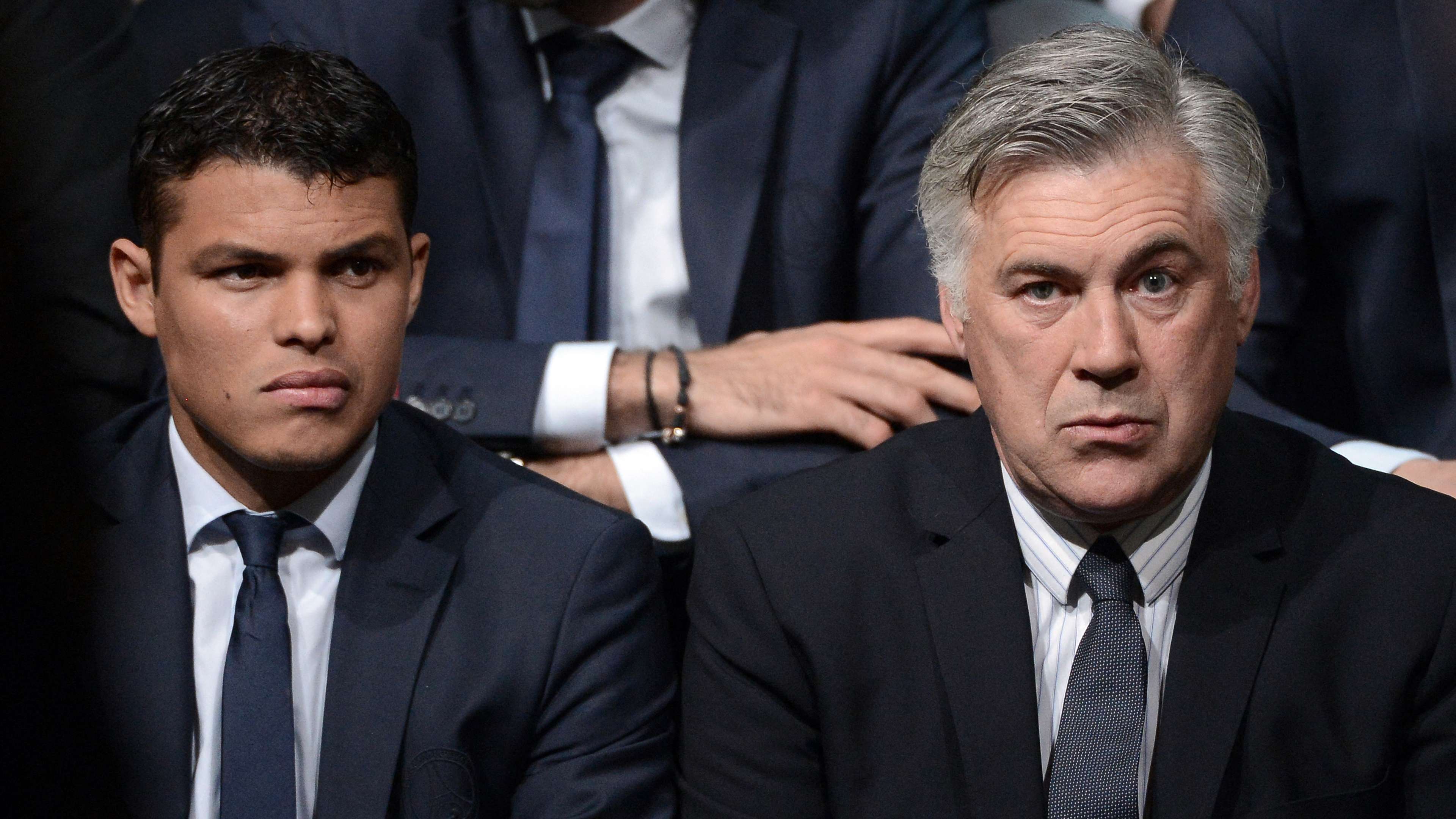
In the vibrant world of football, few stories capture the imagination quite like a high-stakes rivalry between seasoned professionals and tactical masterminds. Recently, Brazilian football fans and analysts have been buzzing over a heated exchange between two prominent figures—Carlo Ancelotti, one of the most respected managers in world football, and Thiago Silva, the legendary Brazilian defender and captain. This confrontation, centered around squad selection and team-building philosophies, has ignited discussions about the future of Brazilian football, player development, and the art of prediction in football analysis.
The Genesis of the Dispute: A Clash Over Squad Strategy
Thiago Silva’s Bold Criticism
Thiago Silva, known for his leadership qualities and extensive experience on the international stage, recently voiced his concerns about the direction of Brazil’s national team and club strategies. During a candid interview, Silva questioned the prevalent trend of discarding older players in favor of youth, asking rhetorically, “Can you just get rid of everyone? Are we not supposed to cherish experience and leadership?” His comments reflect a broader debate within football circles about the balance between youth development and maintaining a core of seasoned professionals who provide stability and mentorship on the pitch.
This statement was perceived by many as a subtle critique of current talent selection policies, which often emphasize a rapid turnover of players and a focus on developing young stars. Silva’s perspective underscores the importance of experience, tactical intelligence, and mental resilience—attributes that often define the outcome of crucial matches and tournaments.
Ancelotti’s Response: A Modern Approach to Squad Building
Carlo Ancelotti, renowned for his tactical flexibility and success across multiple top European clubs, responded to Silva’s remarks with a nuanced stance. He emphasized that age is merely a number in his strategic considerations. “When building a team for the future, I don’t look at age,” Ancelotti stated during a recent press conference. “What matters is the player’s current form, their mentality, and how they fit into the overall tactical plan.”
This perspective highlights Ancelotti’s reputation for blending experience with youthful energy, fostering a team environment that leverages the strengths of both veterans and emerging talents. His approach has often resulted in balanced squads capable of competing at the highest levels, making him one of the most successful managers in contemporary football history.
The Broader Context: Football Prediction, Youth vs. Experience, and Team Dynamics
Understanding Football Prediction in the Modern Era
In recent years, football prediction has evolved into a sophisticated science, combining statistical analysis, tactical insights, and player analytics. Fans and pundits use predictive models to forecast match outcomes, tournament progress, and even squad selection decisions. The debate between Silva and Ancelotti encapsulates this modern challenge—how to accurately predict the success of a team based on its composition, strategy, and leadership qualities.
While youth-based teams are often favored for their energy and potential, experienced squads tend to excel in high-pressure situations, thanks to their composure and tactical awareness. Ancelotti’s belief in holistic team building aligns with the predictive models that suggest a balanced mix of youth and experience yields the best results in football prediction accuracy.
Balancing Youth and Experience: The Key to Long-term Success
Football experts agree that the most successful teams are those that strike a harmonious balance between youthful exuberance and seasoned leadership. For example, clubs like Real Madrid under Ancelotti and top national teams that incorporate veteran players alongside promising young talents have often achieved sustained success. This approach not only enhances on-field performance but also fosters a culture of mentorship, skill transfer, and tactical adaptability.
Thiago Silva’s viewpoint champions the importance of experience, especially in high-stakes tournaments like the FIFA World Cup or Copa América, where mental toughness and strategic intelligence can make the difference. Conversely, the push for youth is driven by the desire for dynamism, innovation, and long-term squad sustainability.
The Future of Brazilian Football: Navigating the Divide
Implications for National Team Selection
The ongoing debate between Silva and Ancelotti reflects broader challenges faced by Brazilian football authorities as they plan for future tournaments. Should the focus be on integrating young talents from the domestic leagues and youth academies, or should they prioritize experienced players who have proven their mettle on the international stage?
Recent trends indicate a shift towards a more inclusive approach, with selectors aiming to develop a pipeline of young players while retaining core veterans for leadership roles. This hybrid strategy aims to optimize performance while ensuring the team’s continuity and resilience in international competitions.
Impact on Club Football and Player Careers
At the club level, coaches are increasingly adopting Ancelotti’s philosophy of age-agnostic team building. Clubs are investing in comprehensive scouting systems, player analytics, and tactical training programs that focus on individual merit rather than chronological age alone. For players like Thiago Silva, this approach offers opportunities to extend their careers and contribute meaningfully to their teams, even as they advance in age.
Final Thoughts: Prediction and Preparation in Football’s Evolving Landscape
The clash between Carlo Ancelotti and Thiago Silva is more than a personal disagreement; it encapsulates the ongoing evolution of football philosophy and strategy. For fans and analysts interested in football prediction, understanding these contrasting approaches offers valuable insights into how teams are built, how matches are played, and how future successes are anticipated.
As Brazilian football navigates this ideological divide, the overarching goal remains clear: to assemble squads capable of competing at the highest level, delivering thrilling matches and memorable victories. Whether the future favors experience or youth, one thing is certain—adaptability, strategic foresight, and a balanced team composition will be key in shaping the next chapter of Brazil’s football story.
Keyword Highlights: Football, Prediction, Squad Building, Experience vs. Youth, Brazilian Football, Team Strategy
In conclusion, the discourse between Carlo Ancelotti and Thiago Silva exemplifies the dynamic nature of football prediction and team management. As the sport continues to evolve with technological advancements and tactical innovations, understanding the nuances of such debates will enhance fans’ appreciation of the beautiful game. For enthusiasts eager to anticipate future outcomes, recognizing the importance of balanced squad building and strategic foresight is essential in making accurate football predictions and enjoying the sport to its fullest.