
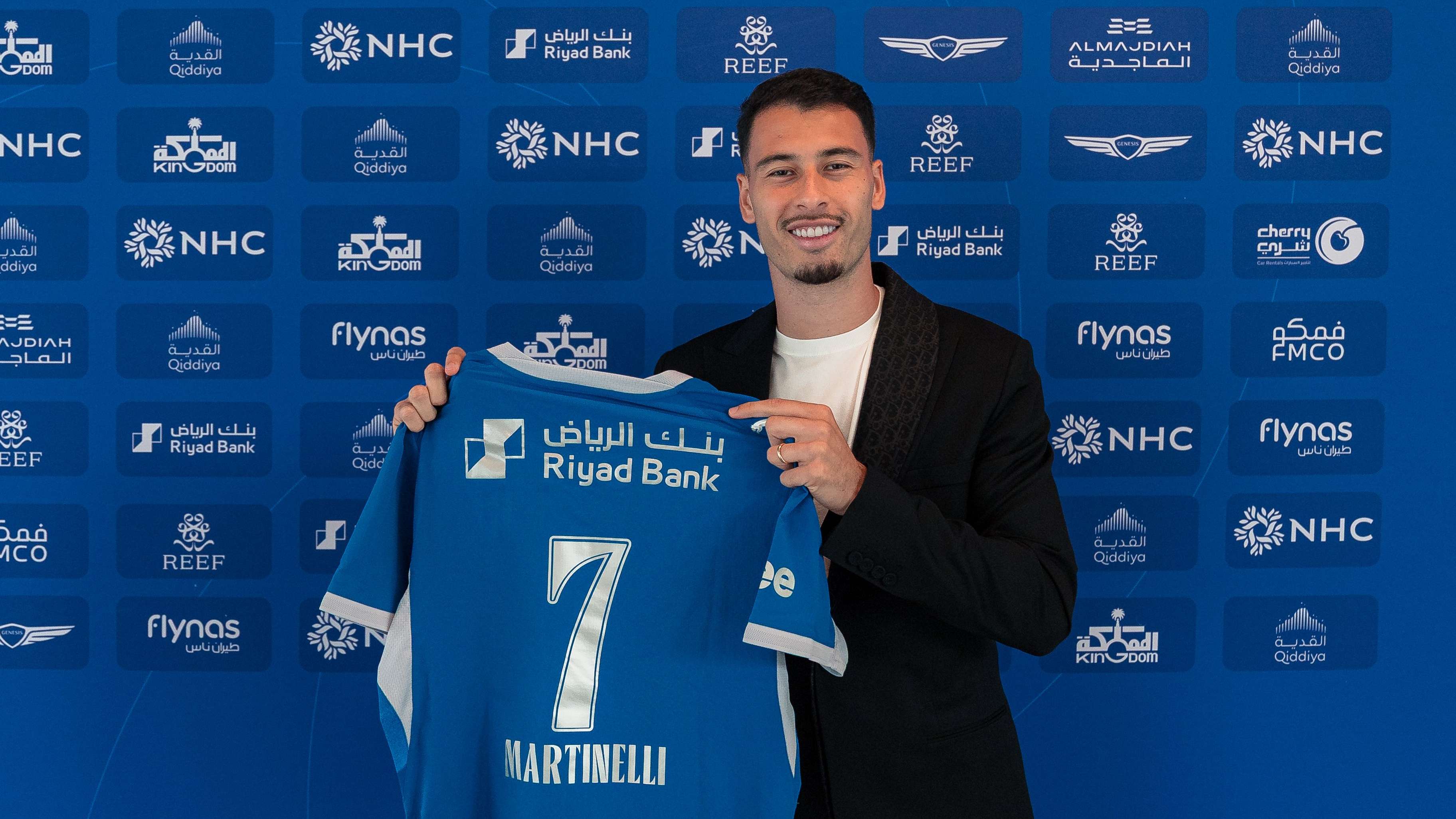

Gabriel Martinelli’s Transfer to Al-Hilal Sparks Debate: A Strategic Move or a Question of Fit?
The recent transfer of Gabriel Martinelli from Arsenal to Al-Hilal has ignited a whirlwind of discussions among football enthusiasts, analysts, and fans alike. While the news of a high-profile player switching clubs often garners attention, the intrigue surrounding Martinelli’s move goes beyond the surface. It prompts a deeper examination of the club’s strategic vision, the nuances of his playing style, and what his arrival signifies for the competitive landscape of the Saudi Pro League.
Understanding the Transfer: Talent, Position, and the Bigger Picture
At first glance, Martinelli’s transfer might seem straightforward—a young, talented winger making a career-defining move. Recognized globally for his agility, dribbling skills, and goal-scoring ability, the Brazilian forward has been a key figure in Arsenal’s attacking setup. His versatility and youthful energy made him an attractive signing for Al-Hilal, a club eager to bolster its squad with top-tier talent to elevate its status in Asian and world football.
However, the decision to bring Martinelli into the squad has raised immediate questions. Chief among them: where will he play? The answer isn’t as simple as it appears. The initial assumptions pointed to a straightforward replacement for Crysencio Summerville, the Dutch winger already operating on the left flank. If that were the case, why sign another winger for the same role? Wouldn’t it be redundant or even counterproductive to have two players vying for the same position?
The Position Dilemma: More Than Just Wingers
The core of the confusion lies in the tactical deployment of Martinelli. Traditionally, he’s known for his role as a left winger, excelling in cutting inside, creating scoring opportunities, and providing width from the flank. But Al-Hilal’s coaching staff may have a different vision—one that leverages his technical versatility rather than confining him solely to the left wing.
In modern football, especially at elite clubs and ambitious leagues like the Saudi Pro League, players are often valued for their adaptability. Martinelli’s skill set includes the ability to operate across multiple attacking positions, from inside forward roles to even switching flanks during gameplay. This tactical flexibility allows coaches to create dynamic attacking patterns, confuse opponents, and exploit defensive gaps more effectively.
Strategic Significance: Why Al-Hilal Valued Martinelli’s Versatility
So, what makes Martinelli a valuable asset beyond his primary position? The answer lies in his technical and tactical range. His agility, dribbling, and finishing capabilities enable him to adapt seamlessly to different roles depending on the match scenario. For Al-Hilal, this means one player can fulfill multiple tactical functions—stretching defenses, creating overloads, and providing a reliable goal threat from various angles.
Moreover, the club’s investment signifies a broader strategic aim: to build a cohesive, flexible attacking unit capable of competing at the highest levels, both domestically and in continental competitions like the AFC Champions League. Martinelli’s ability to read the game and execute under pressure complements the club’s desire for a multi-dimensional attack, making his signing a calculated move rather than a simple positional fill-in.
What This Means for the Saudi Pro League and Football Prediction Trends
The influx of high-caliber talents like Martinelli into the Saudi Pro League is reshaping the competition’s landscape. Historically known for its passionate fan base and competitive domestic scene, the league is now attracting global stars, effectively elevating its football standards. This trend has led to increased interest from international audiences, more competitive prediction models, and a fresh perspective on match outcomes.
Football prediction enthusiasts and analysts are closely monitoring how players like Martinelli impact team dynamics, tactical formations, and overall league competitiveness. His versatility means that predictions about Al-Hilal’s future performance must account for a broader tactical horizon, making the league’s upcoming fixtures more unpredictable and exciting.
Broader Implications: The Future of Football Transfers and Tactical Innovation
Martinelli’s move exemplifies a broader shift in the football transfer market, where clubs prioritize players’ adaptability and tactical intelligence over fixed positional roles. This paradigm encourages a more fluid style of play, demanding diverse skill sets from players and innovative coaching strategies.
For fans and analysts, this evolution offers a rich tapestry of tactical possibilities, making football prediction models more complex but also more engaging. The integration of versatile players like Martinelli could set new standards for club success, emphasizing the importance of tactical flexibility in the modern game.
Conclusion: A Strategic Investment with Potential for Long-Term Impact
In summary, Gabriel Martinelli’s transfer to Al-Hilal is not merely about replacing a winger or filling a positional gap. It’s a calculated move rooted in strategic vision, focusing on versatility, tactical depth, and long-term growth. As the Saudi Pro League continues its rapid development, signings like Martinelli symbolize a shift toward more sophisticated, adaptable football—one where prediction models must evolve to capture the league’s emerging competitive dynamics.
As fans eagerly anticipate his debut and the unfolding tactical battles, one thing remains clear: Martinelli’s arrival marks a new chapter in the league’s history, promising thrilling football, unpredictable outcomes, and a fresh era of tactical innovation that will surely influence global football prediction trends for years to come.