

Controversy Off the Pitch: The Aftermath of the Elche Match and Its Impact on Barcelona’s Team and Fans
The recent encounter between FC Barcelona and Elche CF at the Martinez Valero stadium has become a defining moment not only for the Spanish football league standings but also for the broader conversation surrounding team conduct, fan safety, and political expression. While the match itself was competitive, it was overshadowed by an incident involving police violence against a Barcelona supporter, igniting widespread debate across social media platforms, sports communities, and within the club’s own corridors.
What Exactly Happened After the Elche Match?
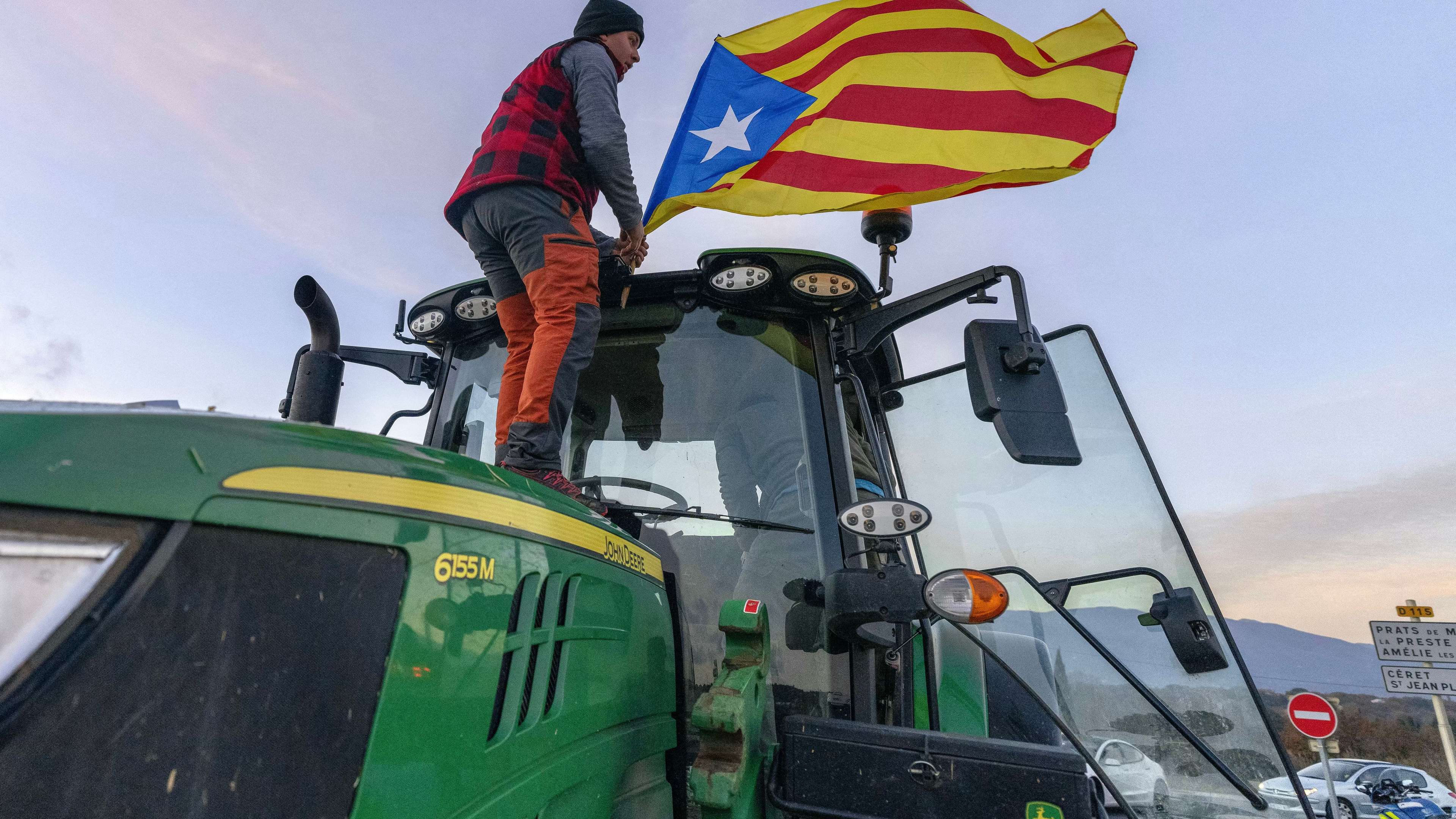
In the wake of the intense fixture at Elche’s home ground, disturbing footage surfaced online depicting a supporter carrying the iconic Catalan independence flag, known as the “Estelada,” being physically assaulted by law enforcement officers. The viral videos, viewed by millions, captured the moment police officers appearing to use excessive force as they subdued the fan, sparking outrage among football fans, political activists, and human rights advocates alike.
This incident was not just a matter of on-field competitiveness but a flashpoint that highlighted ongoing tensions between Catalan independence sentiments and state authority. The supporter’s assault was perceived by many as emblematic of broader issues of police brutality and suppression of political expression in Catalonia, casting a shadow over the match and the league’s reputation.
Official Responses and Controversial Decisions
FC Barcelona’s leadership responded swiftly and strongly to the incident. The club issued a formal statement condemning the use of force, describing the police actions as “disproportionate and unacceptable.” They emphasized that the safety and rights of their supporters are paramount and called for accountability and transparency from authorities involved.
In a bold symbolic gesture, Barcelona chose to cancel their planned tribute to the Spanish World Cup-winning squad members, instead raising the Catalan independence flag during their post-match protest. This move underscored the club’s solidarity with the fans and their stance against police brutality, as well as their support for Catalan political identity. The decision resonated deeply with supporters and further fueled the ongoing debate about the role of sports as a platform for political expression.
The Political and Social Undercurrents in Football
This incident exemplifies how football matches—traditionally a realm of unity and competition—can become battlegrounds for political and social issues. The clash at Elche is part of a larger narrative where football clubs, especially those in regions with strong independence movements like Catalonia, often serve as symbols of cultural identity. The raising of the Estelada flag and the subsequent police response highlight how politics and sports are intertwined in Spain’s complex socio-political landscape.
Furthermore, the controversy raises questions about the responsibilities of police forces during large sporting events and the balance between maintaining order and respecting civil liberties. Critics argue that excessive use of force at matches undermines the very safety it seeks to ensure, and fuels mistrust between communities and law enforcement agencies.
Player Reactions and Internal Club Dynamics
Within FC Barcelona’s locker room, the incident has sparked intense discussions among players and staff. Among the most outspoken was young defender Pau Cubarsi, who publicly voiced his condemnation of the police actions during a press conference following Barcelona’s match against Athletic Bilbao.
Speaking to TV3, Cubarsi emphasized that the club’s leadership made the right decision to condemn the police violence and to take a clear stance by raising the Catalan flag instead. “It was a decision by the club, and I think it is right given what happened in Elche. This is something that cannot happen again; excessive force cannot be used in this way,” he stated firmly.
The defender’s remarks echo the sentiments expressed by Barcelona’s board of directors, signaling a unified stance against injustice. His words also reflect the emotional toll the incident has taken on the team, with players feeling a sense of solidarity with their supporters and a responsibility to speak out against violence and repression.
Solidarity Among Players and Supporters
Besides Cubarsi, other players demonstrated their support in subtle but meaningful ways. Gavi, a rising star within the squad, interacted with a social media post from the Sant Antoni supporters’ association using only emojis, a silent yet powerful gesture of solidarity with the fans present in Elche. Such actions underscore a collective desire within the team to stand united against injustices faced by their supporters.
The incident has also sparked widespread discussions among fans and football analysts about the role of players as ambassadors beyond the pitch. Many argue that footballers and clubs have a moral obligation to advocate for social justice, and their reactions can influence public opinion and policy debates.
Broader Implications for Football and Prediction Analysis
This controversy not only challenges the traditional view of football as merely a sport but also highlights its potential as a catalyst for social change. As the debate intensifies, analysts and enthusiasts are increasingly paying attention to how incidents like these influence team morale, player focus, and even match predictions in upcoming fixtures.
When predicting outcomes of future matches, experts are now considering factors beyond team form and tactics, including the psychological impact of off-field controversies. The emotional ripple effects of police violence and political protests can influence team cohesion, player performance, and ultimately, betting predictions for matches involving Barcelona and other clubs involved in socio-political narratives.
Conclusion: Football as a Platform for Change
The aftermath of the Elche match underscores a pivotal moment where football intersects deeply with societal issues. The incident has galvanized supporters, players, and clubs to speak out against violence and repression, reaffirming the sport’s role as a powerful platform for expression and advocacy.
As Barcelona continues to navigate this complex landscape, their stance and actions will likely influence broader conversations about human rights, political identity, and the role of sports in fostering social justice. For fans and analysts alike, the incident serves as a reminder that football is more than just a game—it is a reflection of society’s hopes, struggles, and aspirations.
In the coming weeks, all eyes will be on Barcelona’s performances and how they incorporate these social messages into their team identity. The question remains: how will this controversy shape future football predictions and the league’s ongoing narrative of social responsibility?