
LaLiga refereeing controversy puts Mbappé penalty under review
A weekend of disputed decisions in Spanish football has prompted the Technical Refereeing Committee to examine several high-profile incidents, including the penalty awarded to Real Madrid forward Kylian Mbappé. The review is expected to focus not only on whether the on-field calls were correct, but also on whether Video Assistant Referee (VAR) officials should have intervened.
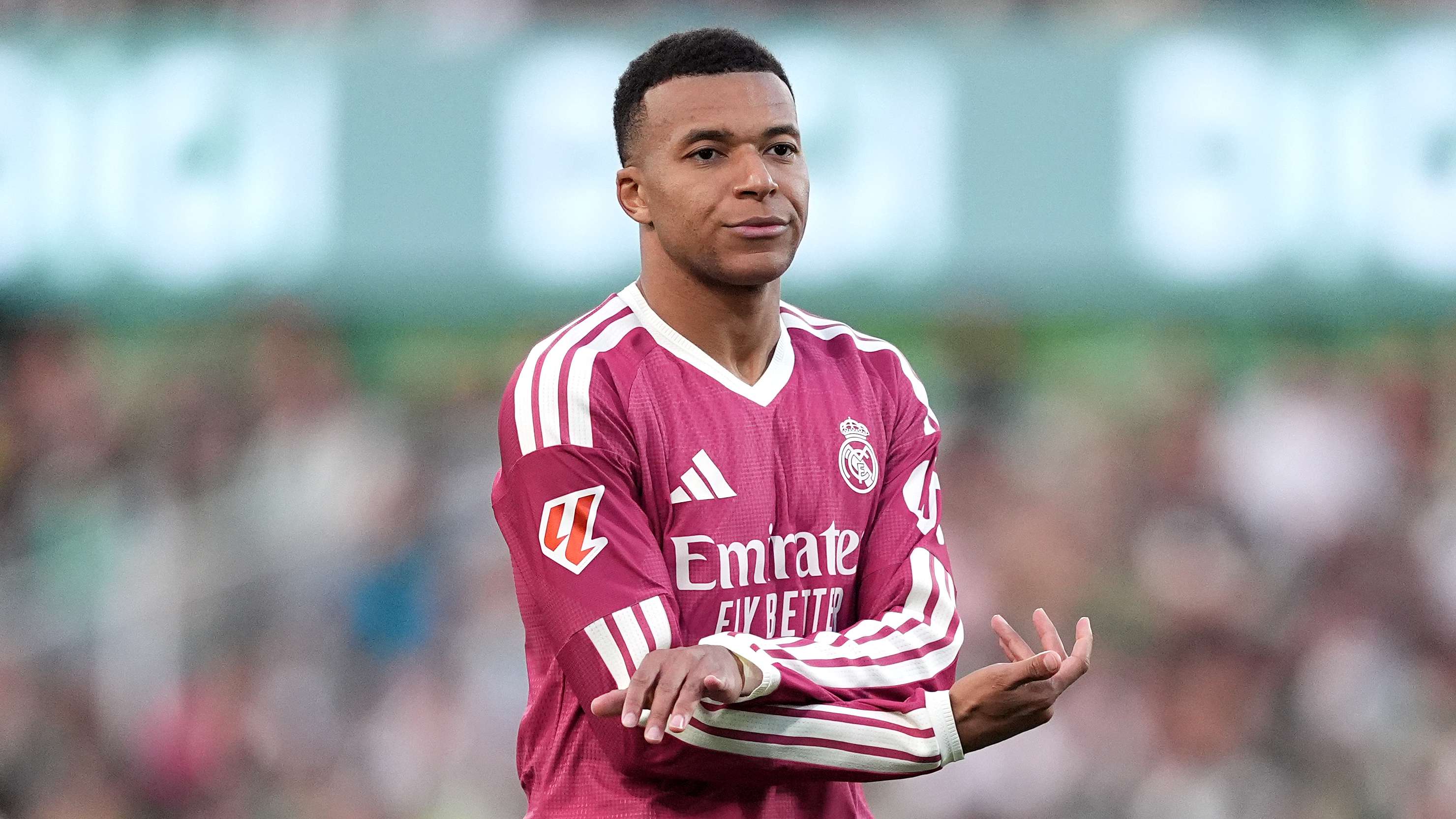
The controversy unfolded during Real Madrid’s visit to Racing Santander at El Sardinero. Referee José Luis Munuera Montero awarded Madrid a penalty after a challenge involving defender Pratti and Mbappé. The decision quickly became a talking point among supporters and pundits, with debate centring on the nature and significance of the contact.
With scrutiny growing, the Technical Committee of the Spanish Football Federation, chaired by Fran Soto, has called a meeting for next Monday. The panel is expected to assess the key incidents and consider how the relevant refereeing protocols were applied. Its members include former international referee David Fernández Borbalán, experts Fernando López and Aitor Gorostegui, and Eduardo Prieto Iglesias, who oversees VAR technology.
Two questions at the centre of the Mbappé decision
According to Mundo Deportivo, the committee will begin with the incident at El Sardinero. The first issue is whether Pratti’s contact was sufficient to bring Mbappé down and justify a penalty. The second is whether VAR official Luis Mario Milla should have recommended that Munuera Montero review the decision on the pitchside monitor.
Those questions are not necessarily answered by establishing that contact occurred. Under the VAR protocol, officials generally avoid intervening when an on-field decision falls within a reasonable range of interpretation. Even if a replay shows some contact, VAR is expected to step in only when the original call is considered a clear and obvious error.
That distinction is central to many football debates. A referee may judge that a player has been impeded, while viewers watching slow-motion footage may reach a different conclusion. The committee’s task is therefore not simply to decide whether Mbappé and Pratti made contact, but to assess whether the referee’s interpretation was defensible and whether the VAR threshold for intervention had been met.
Kinexon technology features in Basque derby review
The Mbappé penalty was not the only incident to attract attention. A similar penalty decision arose in the Basque derby, where referee Alejandro Hernández awarded Athletic Bilbao a spot-kick following a clash involving Real Sociedad defender Aramburu and Athletic forward Nico Williams. The call stood, and the resulting sequence contributed to Athletic’s second goal.
Hernández was positioned close to the action, while VAR official Carlos del Cerro Grande did not recommend a review. Broadcast footage also showed data from Kinexon’s smart-ball technology, which LaLiga introduced this season. The system indicated that the Real Sociedad player had not touched the ball, supporting the decision not to send Hernández to the monitor.
Kinexon technology can provide officials with additional information about what happened during a fast-moving passage of play. However, it does not replace a referee’s judgement on every question. Data may help clarify whether the ball was touched, for example, but decisions about a foul, the level of contact or its impact on an opponent still require interpretation under the Laws of the Game.
That makes the Basque derby incident an important comparison point for the committee. While the two penalty situations may appear similar at first glance, the precise sequence of contact, the players’ movements and the available evidence can lead to different conclusions. The review may help explain how technology and human judgement are intended to work together rather than compete.
Getafe goal also under scrutiny
The committee is also expected to examine Getafe’s disputed goal after a challenge involving Andrés García and Mano Bueno. Referee García Verdura initially stopped play for a foul following a signal from his assistant. However, the whistle came after Getafe’s attack had already ended with the ball in the net.
VAR then reviewed the sequence, concluded that no foul had taken place and ruled that the goal should count. The timing of the whistle is a key part of the discussion: once the referee has stopped play, the match cannot simply continue as though the whistle had not been heard. Officials must instead apply the relevant review procedures to determine whether the goal can be awarded.
That kind of incident can be particularly confusing for fans because it combines two separate questions: whether a foul occurred and whether the referee’s whistle came before or after the ball crossed the line. The committee’s assessment could offer useful context on how VAR should handle a goal when the initial decision to stop play may have been incorrect.
What the review could mean for LaLiga refereeing
All three incidents may be considered for the Spanish league’s regular “review time” sessions, which are held on Tuesdays. Not every controversial moment is selected. The incidents must meet the programme’s criteria, with an artificial intelligence system used by the league association helping to identify and assess potential cases.
These reviews can give supporters a clearer account of how officials interpret difficult situations, although they cannot remove every disagreement. Football decisions often involve subjective judgements about contact, intent and advantage. Technology can improve the evidence available, but it cannot make every close call entirely objective.
The committee’s conclusions will be closely watched by Real Madrid, Athletic Bilbao, Getafe and their rivals, as well as by fans following the wider debate over consistency in Spanish football. For Mbappé’s penalty in particular, the central issue is likely to remain whether the call was reasonable on the field and whether VAR had grounds to intervene—not simply whether another referee might have made a different decision.
Until the review is complete, predictions about any disciplinary or procedural consequences remain speculative. The broader expectation, however, is that the cases will renew discussion about the limits of VAR, the role of emerging tools such as Kinexon, and the challenge of reaching consistent decisions in football’s most contentious moments.