
Arsenal Captain Odegaard Sidelined for London Derby
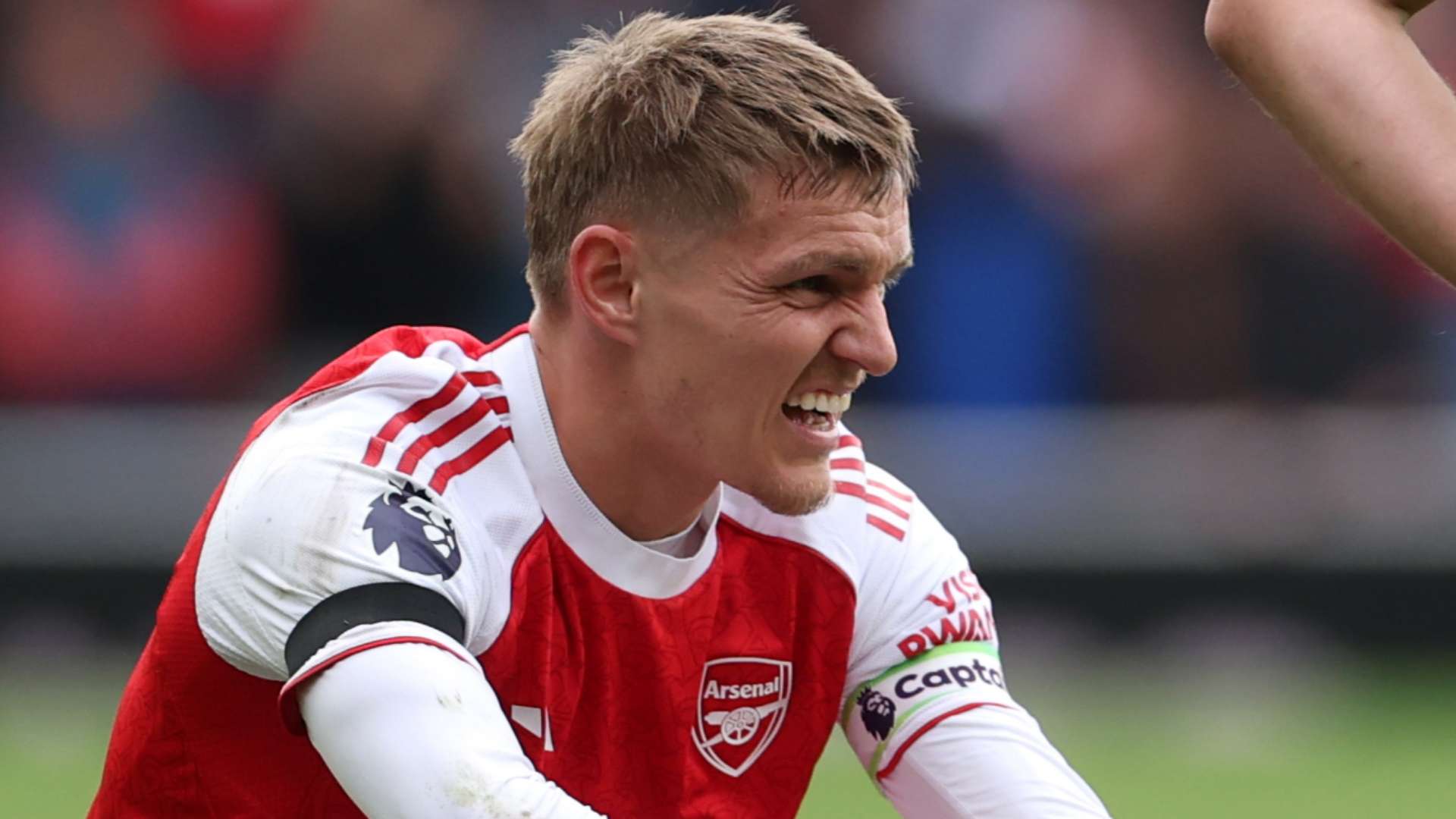
Arsenal fans were left surprised and disappointed as news broke that captain Martin Odegaard would be missing from the squad for the highly anticipated London derby against Chelsea at the Emirates Stadium. The absence of the Norwegian midfielder raised questions and concerns among supporters, especially given the significance of the match.
Injury Concerns
Odegaard had been training with the team earlier in the week and had made a recent comeback from injury. However, Arsenal manager Mikel Arteta revealed that a lingering knee issue had resurfaced, prompting the medical team to err on the side of caution and rule him out of the crucial fixture. The decision was made to prevent the risk of aggravating the injury and potentially causing a long-term setback for the talented playmaker.
Arteta emphasized the importance of Odegaard’s health and well-being, stating that the club’s medical staff would continue to monitor his progress and work towards his full recovery. The absence of their captain undoubtedly posed a challenge for Arsenal, as they prepared to face a formidable Chelsea side in a match that held significant implications for their season.
Impact on the Squad
The absence of Odegaard left a void in the Arsenal midfield, as his creativity and vision on the ball had been instrumental in the team’s recent performances. His absence forced Arteta to rethink his tactical approach and make adjustments to the starting lineup, as they aimed to secure a positive result against their London rivals.
The news of Odegaard’s absence served as a reminder of the unpredictable nature of football and the importance of depth within a squad. It highlighted the need for players to step up and seize the opportunity to make an impact in moments of adversity, as Arsenal faced a challenging test without their influential captain.
Fans’ Reactions
Arsenal fans took to social media to express their disappointment at Odegaard’s absence, with many highlighting his importance to the team and expressing their hopes for a speedy recovery. The absence of their captain served as a rallying cry for supporters to show their unwavering support for the team and back them in their quest for victory.
As the countdown to kickoff began, the focus shifted to the players who would be tasked with filling the void left by Odegaard and delivering a performance worthy of a London derby. The absence of their captain only added to the intrigue and anticipation surrounding the match, as Arsenal prepared to take on Chelsea in a high-stakes showdown at the Emirates Stadium.
Ultimately, the news of Odegaard’s absence served as a reminder of the unpredictability of football and the challenges that teams face in navigating a grueling season. As Arsenal sought to overcome the setback and secure a positive result against Chelsea, the spotlight remained on the players who would be called upon to step up in the absence of their captain.
Team Tactics Without Odegaard
With Odegaard sidelined, Arsenal had to rethink their tactical approach for the London derby. The absence of their captain meant that Arteta had to find alternative ways to create chances and control the midfield against a strong Chelsea side. The manager likely had to make strategic adjustments to compensate for Odegaard’s absence, potentially altering the team’s formation or player roles to adapt to the situation.
One possible tactical change could have been to rely more on the pace and directness of players like Bukayo Saka and Nicolas Pepe to drive the attack forward in Odegaard’s absence. Additionally, Arteta may have required his midfielders to take on a more defensive role to provide cover and stability in the absence of the creative playmaker.
Player Replacement and Opportunities
With Odegaard out of the lineup, it presented an opportunity for other players to step up and showcase their abilities on the big stage. Players who may have been on the fringes of the squad or seeking more playing time now had a chance to prove their worth and make a case for a more regular spot in the starting lineup.
Youth prospects like Emile Smith Rowe or experienced midfielders like Granit Xhaka could have been called upon to fill the void left by Odegaard. This situation not only challenged these players to elevate their performance but also provided them with valuable experience and exposure in a high-pressure match against a top opponent like Chelsea.
Significance of London Derby
The absence of Odegaard added an extra layer of significance to the London derby between Arsenal and Chelsea. These matches are not only important for local bragging rights but also carry weight in the context of the Premier League table and the race for European spots. A win in the derby could provide a morale boost for Arsenal and propel them towards their season objectives.
Furthermore, the intensity of the rivalry between these two London clubs added to the drama and anticipation surrounding the match. Both sets of supporters were eager to see their team come out on top, and the absence of Odegaard only heightened the stakes and added more intrigue to the encounter.
The Importance of Squad Depth
Odegaard’s absence served as a reminder of the importance of having a deep and balanced squad in football. In a long and demanding season, teams will inevitably face injuries, suspensions, and other unforeseen circumstances that require squad rotation and adjustments. Having quality backups and versatile players who can step in when needed is crucial for a team’s success.
Arsenal’s ability to cope with the absence of their captain highlighted the significance of having a strong squad depth and the need for every player to be ready to contribute when called upon. The situation also showcased the role of effective squad management and planning in ensuring that a team can handle setbacks and challenges throughout the season.
Looking Ahead
As Arsenal navigated the London derby without Odegaard, the focus shifted to how they would respond to the setback and continue their pursuit of their season goals. The outcome of the match against Chelsea would provide valuable insights into the team’s resilience, adaptability, and ability to overcome obstacles.
Regardless of the result, Odegaard’s absence presented a learning opportunity for Arsenal and highlighted the need for the team to be prepared for any eventuality in their quest for success. The experience gained from facing adversity and making adjustments without their captain could ultimately strengthen the team and contribute to their development as a competitive force in English football.
By exploring the tactical implications, player opportunities, significance of the derby, importance of squad depth, and the lessons learned from Odegaard’s absence, the expanded content offers a comprehensive analysis of the situation and provides valuable insights for readers interested in the intricacies of football dynamics.