
Al-Taawoun Fans Turn on Hamdallah as Pressure Builds in Saudi Pro League
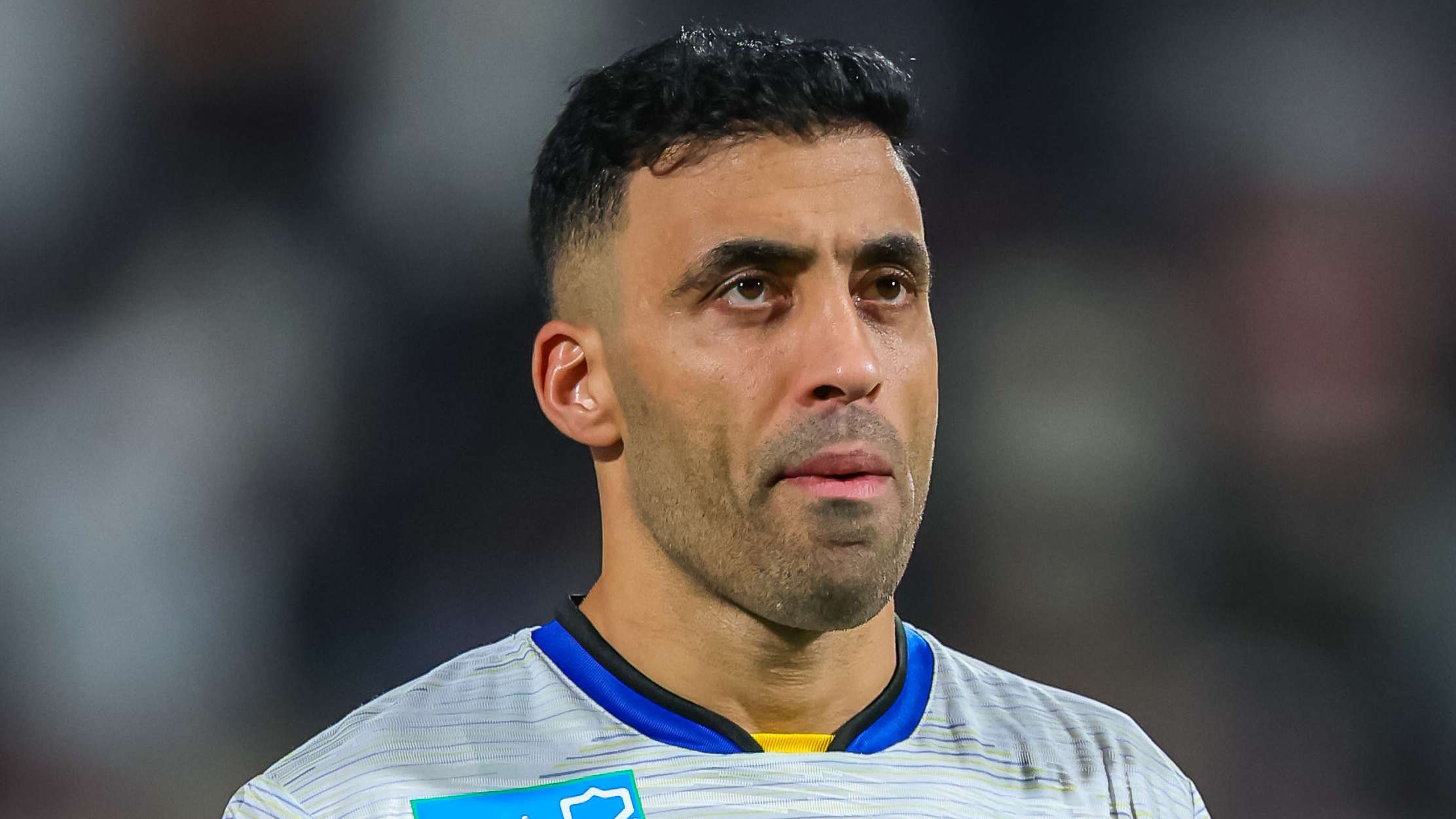
Abdulrazak Hamdallah has found himself at the centre of a fresh controversy after Al-Taawoun supporters called for the Moroccan striker to be substituted during a Saudi Pro League meeting with Al-Riyadh. The incident added to a difficult week for the forward, whose performances and conduct are attracting increasing attention as the season progresses.
Al-Taawoun travelled to the Saudi capital on Saturday for a closing fixture in the league’s 11th round. With Al-Riyadh leading 1-0, frustration among the visiting supporters became clear around the 65th minute. According to Saudi journalist Nawaf Al-Oqail, fans directed chants at Serbian coach Vuk Rasovic, urging him to take Hamdallah off the pitch.
Supporters demand a change
The reaction reflected the crowd’s dissatisfaction with Hamdallah’s display at that point in the match. While the striker remains one of the most recognisable forwards in Saudi football, expectations are high whenever he takes the field. When a team is trailing, supporters often look to its leading attackers to create a response—and their frustration can quickly focus on players who are not making the desired impact.
Calling for a substitution does not necessarily signal a lasting breakdown between a player and a club’s supporters. In the heat of a match, it can be a direct expression of disappointment with a performance, the team’s attacking approach or the result. Still, the chants placed Rasovic in a visible position: he had to weigh the tactical value of keeping Hamdallah on against the growing mood in the stands.
A disallowed goal adds to the frustration
Hamdallah had appeared to give Al-Taawoun a first-half breakthrough, only for the goal to be ruled out for offside following a Video Assistant Referee review. The decision denied the visitors a potentially important moment and left the striker without a goal to show for his effort.
For a forward, a disallowed finish can be particularly frustrating. It may offer evidence that he is finding promising positions, but it does not change the scoreline or contribute to the official statistics. In a match where Al-Taawoun were behind, the overturned goal also became part of the wider story surrounding Hamdallah’s afternoon, even though the offside decision was separate from the supporters’ assessment of his overall performance.
Al-Riyadh’s advantage meant Al-Taawoun needed greater urgency in the final stages. The visitors’ challenge was not simply to get the ball forward; they also needed to find a way to create clear chances against opponents protecting a lead. Whether Hamdallah could provide that threat—or whether Rasovic would turn to another option—became a key talking point as the match unfolded.
A second flashpoint in the space of a week
The tension in the capital came shortly after another incident involving Hamdallah. In Al-Taawoun’s previous match against Al-Qadsiah, the Moroccan was reported to have clashed with compatriot and teammate Ashraf El-Mehdioui. The two episodes are distinct, but occurring so close together has placed the striker under a brighter spotlight.
Football dressing rooms can be emotionally charged, particularly when results or individual performances fall short of expectations. Disagreements between teammates do not automatically indicate a serious internal problem, and the details of any exchange matter. However, repeated public scrutiny can make it harder for a player to focus solely on his role on the pitch. For Al-Taawoun, managing the atmosphere around the squad may be as important as addressing tactical concerns.
Hamdallah’s experience could prove valuable during this period. The striker has spent years competing at a high level and understands the demands placed on a recognised goalscorer. At the same time, his reputation means that every missed chance, substitution call or reported disagreement is likely to draw more attention than it would for a less prominent player.
What Hamdallah’s season numbers show
Hamdallah has made nine appearances for Al-Taawoun this season, scoring four goals and recording one decisive assist. Those figures underline that he has contributed to the team’s attack, even as questions have emerged over his latest display. They also provide useful context: the forward has not been without influence, but the club will want his output to translate into consistent performances and results.
Goals and assists are only part of a striker’s contribution. Movement, pressing, link-up play and the ability to occupy defenders can all shape a team’s attacking performance. Yet for a player with Hamdallah’s profile, scoring remains the clearest measure for many supporters. A run of goals could quickly change the tone around him, while further frustration in front of goal may intensify calls for a different attacking approach.
What comes next for Al-Taawoun?
Al-Taawoun’s immediate task is to move beyond the controversy and prepare for its upcoming fixtures. The club is scheduled to face Al-Ahli in AFC Champions League Two on October 29, followed by a Saudi Pro League meeting with Al-Qadsiah on October 30. The quick turnaround leaves little time for the squad to dwell on one result, but it also makes recovery, team selection and clear communication especially important.
For Rasovic, the coming matches will offer an opportunity to decide how best to use Hamdallah. The coach could continue to rely on the striker’s experience and finishing ability, adjust his role to bring him closer to the action, or consider other attacking combinations. Any decision will need to serve the team’s needs rather than simply respond to the noise surrounding one match.
As for Hamdallah, the most effective answer to criticism is likely to come through his football. A strong performance, a decisive contribution or a well-taken goal could shift the conversation back toward his ability. But the pressure is clear: supporters want to see Al-Taawoun compete more effectively, and they expect their leading players to help deliver that improvement.
Al-Taawoun prediction: attention turns to the response
Any prediction for Al-Taawoun’s next outings should account for both the tight schedule and the uncertainty surrounding the squad’s mood. The team has attacking options, and Hamdallah’s season record suggests he remains capable of making a difference. However, the club’s success will depend on whether it can turn individual quality into a coordinated performance and create chances consistently.
The episode against Al-Riyadh may prove to be a brief burst of match-day frustration rather than a lasting crisis. Even so, the reported clash with El-Mehdioui and the supporters’ chants have made this a significant moment in Hamdallah’s Al-Taawoun season. His response—and Rasovic’s decisions in the matches ahead—will help determine whether the focus returns to goals or remains on the pressure surrounding the Moroccan striker.