
Leo Sauer Transfers to VfB Stuttgart: A Major Shift in Feyenoord’s Squad Dynamics
In a significant development within the world of football, Slovak winger Leo Sauer has officially parted ways with Feyenoord, transferring to VfB Stuttgart for an estimated fee of around €15 million. This move not only marks a new chapter for Sauer but also highlights the considerable upheaval within Feyenoord’s squad during the recent transfer window. As football enthusiasts and prediction analysts scrutinize team compositions ahead of upcoming fixtures, understanding these player movements offers crucial insights into team strategies, stability, and future prospects.
Behind the Transfer: Sauer’s Departure and Feyenoord’s Summer Saga
Leo Sauer’s decision to leave Feyenoord was not made lightly. According to Feyenoord’s technical director, Dévy Rigaux, Sauer personally submitted a formal transfer request at the start of the summer transfer window, signaling his desire to seek new challenges in one of Europe’s top leagues. Sauer’s rising profile and potential to make an impact in Bundesliga football made the move particularly appealing, both for the player and VfB Stuttgart.
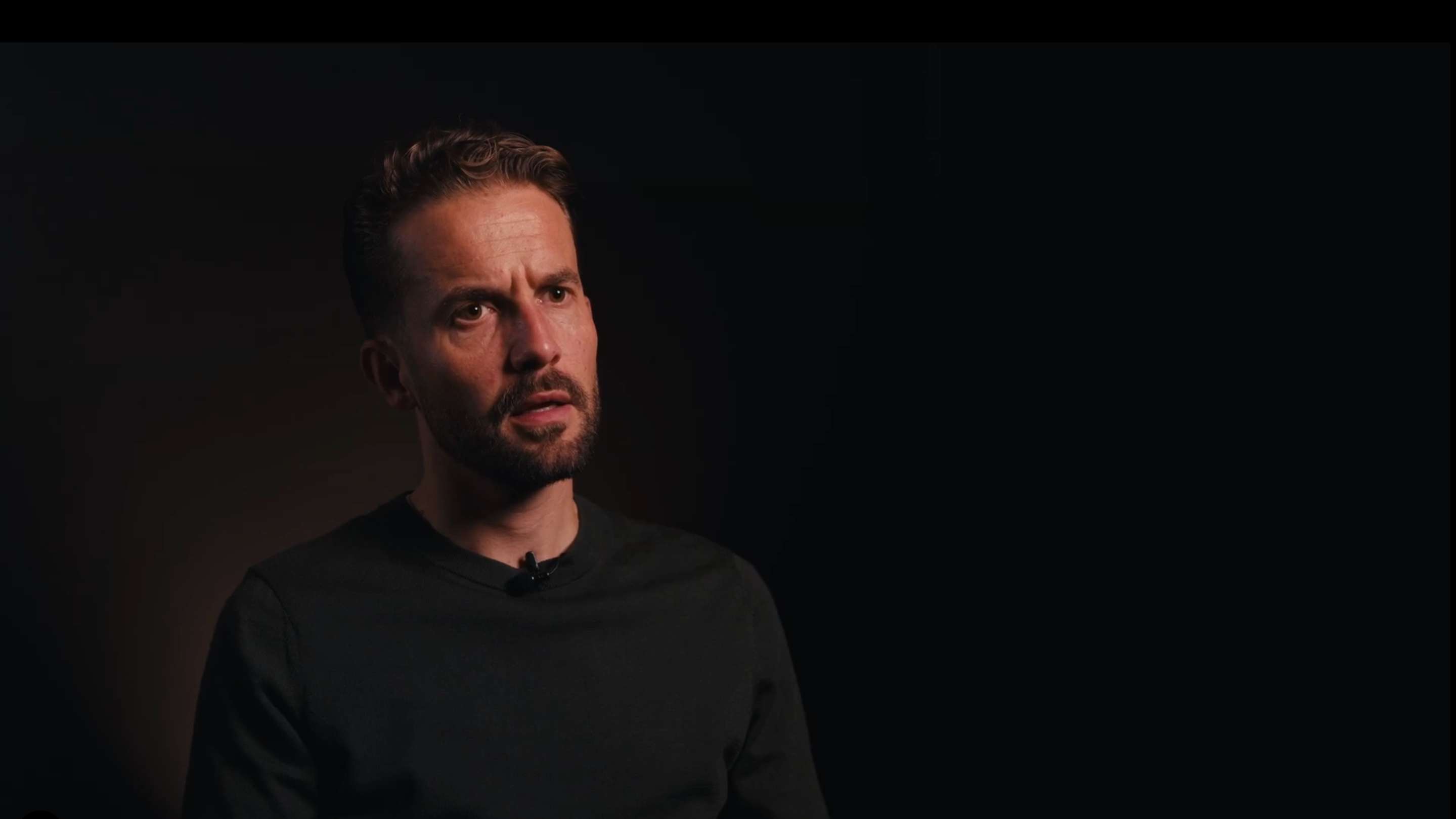
“Leo had been at Feyenoord for a very long time,” Rigaux explained in an interview with Feyenoord ONE. “At the beginning of the season, he approached me directly, expressing his wish to take a step forward this summer. Considering his long service at Feyenoord and his development, we understood his ambitions and negotiated accordingly.”
Indeed, Sauer’s transfer is a reflection of his personal growth and the club’s strategic decision-making. The €15 million fee underscores his value in the transfer market, and it positions VfB Stuttgart to benefit from his talent and versatility on the wings. Sauer’s move also exemplifies the broader trend of Dutch clubs like Feyenoord selling promising players to bigger leagues, often as part of a strategic financial plan.
The Summer Transfer Window: A Year of Mass Departures for Feyenoord
While Sauer’s departure was a notable highlight, it was just one among a staggering 18 players who exited Feyenoord during this transfer window. Feyenoord’s technical director, Dévy Rigaux, described this exodus as “an incredibly high number,” emphasizing the challenges it posed for the club’s stability and team cohesion.
“Managing such a volume of departures was a complex task,” Rigaux admitted. “In my view, it’s not something I would want to repeat, but sometimes, circumstances demand tough decisions.”
Despite the upheaval, Rigaux expressed satisfaction with the club’s ability to secure permanent transfers for many of the departing players, which helps the team avoid future complications in squad management. “Many of those players have moved on permanently, allowing us to plan more effectively for the seasons ahead without the need to find solutions for them again next summer,” he added.
Impacts on Team Stability and Future Strategies
This level of turnover inevitably impacts a team’s stability and performance, especially ahead of a competitive season in the Eredivisie. Feyenoord’s management had to balance the need for financial agility with maintaining team coherence, all while navigating the unpredictable waters of transfer negotiations.
Their approach involved strategic negotiations, often securing fair deals that satisfied both the club’s financial goals and the players’ ambitions. Sauer’s move exemplifies this, with Feyenoord willing to part with a valued player at the right price, considering his long-term potential and recent injury setbacks.
Sauer’s Injury and Performance: A Context for the Transfer
Reviewing Sauer’s time at Feyenoord reveals some context behind his transfer. The winger, who has been with the club for several seasons, faced challenges including a significant injury last season. In the latter half of the campaign, Sauer’s playing time was limited, prompting speculation about his future at the club.
“His injury affected his performance and availability,” Rigaux noted. “While he contributed significantly in earlier seasons, last year was tough for him, and naturally, that impacted our squad planning.”
With Sauer expressing his desire to leave, Feyenoord’s decision to accept the €15 million offer aligns with the club’s broader strategy to refresh their squad, develop younger talent, and secure financial stability for future transfers.
What This Means for Feyenoord and Football Prediction Enthusiasts
The departure of Sauer and the mass exodus of players during the transfer window inevitably influence predictions for Feyenoord’s upcoming fixtures. Fans and analysts closely monitor team compositions, new signings, and player departures to make more accurate football predictions, especially in competitive leagues like the Eredivisie.
Feyenoord’s ability to replace departing players effectively will be crucial. The club’s management has emphasized the importance of integrating new talent smoothly, aiming to maintain competitive performance levels. As the team adjusts to the new squad dynamics, football prediction models will focus on factors such as team chemistry, coaching strategies, and player experience.
Looking Ahead: Strategic Focus and Expectations
Feyenoord’s management remains optimistic about their future prospects despite the significant turnover. The club’s focus now shifts toward nurturing emerging talents and integrating new signings efficiently. This approach aligns with modern football strategies, where adaptability and long-term planning are key to sustained success.
Meanwhile, for football prediction enthusiasts, the key lies in analyzing how these squad changes impact team performance. Variables such as player adaptation, tactical shifts, and the team’s resilience will be vital in forecasting Feyenoord’s results in upcoming matches.
Conclusion: A Year of Transition and Opportunity in Dutch Football
The transfer of Leo Sauer to VfB Stuttgart epitomizes a transformative period for Feyenoord—a club navigating the challenges of squad overhaul while striving for competitive excellence. The club’s willingness to let go of long-serving players like Sauer at the right price demonstrates a pragmatic approach to football management, balancing financial considerations with sporting ambitions.
As the Eredivisie season progresses, all eyes will be on how Feyenoord’s new lineup performs and whether the club can maintain its position among Dutch football’s elite. For prediction fans and football analysts, this season promises to be an intriguing case study in team rebuilding, strategic transfers, and the quest for success on both domestic and European stages.
Stay tuned for more updates and expert predictions as Feyenoord embarks on this new chapter, with exciting football action on the horizon.