
Serge Aurier’s Surprising Return: From Professional Football to Mentorship and Lower-League Play
In an unexpected yet inspiring turn of events, former Ivory Coast international Serge Aurier has announced a significant career transition that highlights his enduring passion for football. While many fans anticipated Aurier’s next move would be a return to top-tier European clubs, recent developments reveal a different path—one that combines coaching, mentorship, and grassroots football. This story not only underscores the versatile nature of Aurier’s football journey but also offers a fresh perspective on the evolving career trajectories of seasoned players.
Return to La Gaillette: A New Chapter in Coaching and Mentoring
On 11 August of last year, Lens fans and football enthusiasts received exciting news: Serge Aurier was returning to the club’s renowned youth academy, La Gaillette. However, this time, his role was not as a player but as a mentor and assistant coach. The official statement from the club highlighted this new chapter: “Between coaching and mentoring, Serge Aurier, one of the most prominent graduates of the Gaillette Academy, who has experience of over 400 professional matches, returns to the La Gaillette Gervais Martel Academy.”
The announcement marked a heartfelt reunion, emphasizing Aurier’s long-standing connection with RC Lens, where he began his professional journey. His transition from player to mentor underscores a broader trend seen among veteran footballers who seek to give back to their roots and nurture the next generation of talent. Aurier’s role as an assistant coach for the under-15 team allows him to impart invaluable insights, leveraging his extensive experience at top clubs like Paris Saint-Germain, Tottenham Hotspur, and Nottingham Forest.
The Continuing Playing Career: A Surprising Twist
Despite his new responsibilities in coaching and mentoring, Serge Aurier has made it clear that he has no immediate plans to retire from playing professional football. According to reports from the French sports outlet Foot Mercato, the 33-year-old Ivorian defender remains eager to continue his playing career, albeit at a less prominent level. This dual approach—combining playing and coaching—illustrates Aurier’s dedication to the sport and his desire to stay connected to the game in multiple capacities.
After parting ways with Iranian club Persepolis last August, Aurier found himself without a club for several months. His free agency status initially prompted speculation about his next steps, with many wondering if a return to top-tier European football was on the horizon. However, recent developments suggest a different focus: Aurier is set to join Montigny-en-Gohelle, a seventh-division club in the Hauts-de-France region, renowned as one of the second-tier teams in the regional league system.
Why a Move to Lower-League Football Makes Sense
While it might seem unusual for a player with Aurier’s pedigree to step down to lower divisions, this decision offers several strategic advantages. Playing at the amateur or semi-professional level allows Aurier to maintain his physical condition and competitive edge while simultaneously dedicating time to his emerging coaching career. It also provides an opportunity to reconnect with local communities and grassroots football, which are vital to the sport’s future development.
Additionally, this move exemplifies a broader trend among seasoned professionals who opt to transition gradually into coaching or mentoring roles. It reflects a pragmatic approach—balancing the love of the game with career longevity and personal growth. Aurier’s presence in regional leagues could inspire young players and serve as a bridge between professional and amateur football, fostering talent and passion at the grassroots level.
Serge Aurier’s Football Journey: From Lens to the World Stage
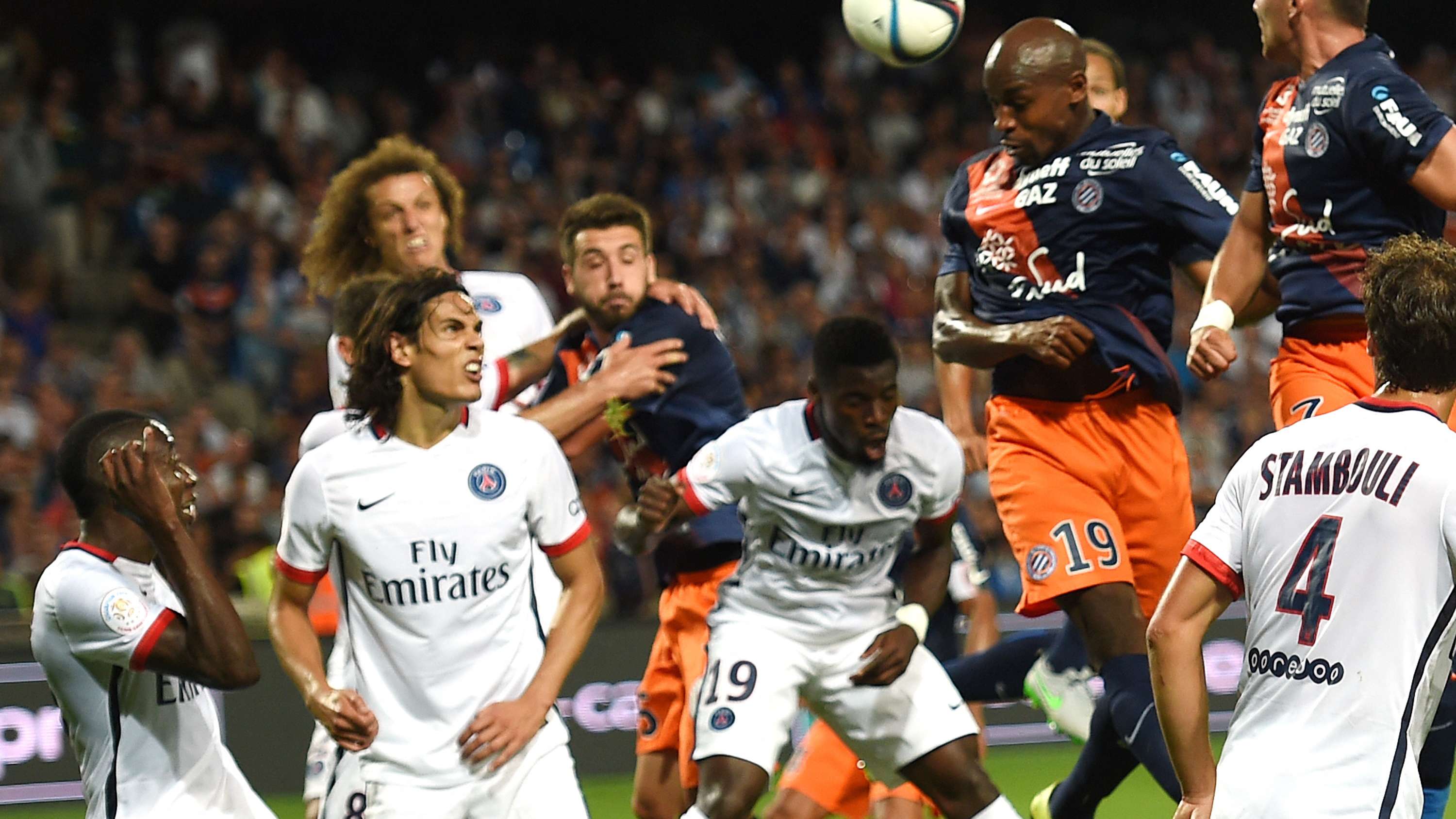
Serge Aurier’s football career is a compelling narrative of talent, resilience, and adaptability. Born in Abidjan, Ivory Coast, Aurier rose through the ranks at RC Lens, making his professional debut with the club before catching the eyes of major European teams. His speed, technical skill, and defensive prowess earned him transfers to Paris Saint-Germain, where he became a key player in their domestic and European campaigns, including the coveted UEFA Champions League.
His tenure at PSG elevated his profile, leading to stints with Tottenham Hotspur in the Premier League and Nottingham Forest in England. Throughout his career, Aurier has been known for his aggressive defending, technical versatility, and leadership qualities—traits that now serve him well as a mentor for young players.
The Significance of Transfer and Prediction in Aurier’s Career Moves
From a strategic standpoint, Aurier’s latest transfer to Montigny-en-Gohelle reflects a thoughtful prediction of his career’s trajectory. While most fans focus on transfers involving top clubs, the move to a regional team underscores a broader understanding of a player’s life cycle and the importance of versatile career planning. It also highlights how veteran players can leverage their experience to shape future generations, a trend increasingly recognized in football’s evolving transfer landscape.
Experts predict that Aurier’s involvement at the grassroots level could open doors for further opportunities—be it coaching, scouting, or even media work post-retirement. His diverse experience across different leagues and competitions makes him a valuable asset in nurturing young talent and understanding the game’s multifaceted nature.
Looking Ahead: The Future of Serge Aurier in Football
As Aurier embarks on this new chapter—balancing playing in regional leagues with coaching and mentorship—his journey exemplifies a holistic approach to a football career. It inspires aspiring players and seasoned professionals alike to view football not just as a profession but as a lifelong passion that can evolve into multiple roles beyond the pitch.
His story also emphasizes the importance of adaptability, community engagement, and the value of giving back to the sport that has shaped his life. Fans and observers will be keenly watching how Aurier’s dual roles develop, and whether this model of integrating playing and coaching at different levels becomes a blueprint for other veteran players seeking meaningful ways to stay involved in football.
Conclusion
Serge Aurier’s decision to return to grassroots football while embracing coaching opportunities exemplifies the dynamic nature of a professional footballer’s career. His transfer to Montigny-en-Gohelle, coupled with his mentorship role at La Gaillette, highlights a broader shift in the sport—where experience, community, and passion intersect to create a richer, more sustainable football ecosystem.
As the football world continues to evolve, Aurier’s journey serves as a powerful reminder that the love of the game can transcend the boundaries of professional leagues, fostering growth at every level and inspiring future generations to keep the beautiful game alive.