
The Curious Paradox of Arab Referees Selected for the 2026 World Cup
Arab Referees Overcome Criticism to Secure World Cup Spots
Two Arab referees, Mahmoud Ashour from Egypt and Abdullah Al-Shehri from Saudi Arabia, have experienced a whirlwind of emotions in the past 48 hours as they went from facing public criticism to being rewarded with the opportunity to officiate at the 2026 World Cup.
Both the Egyptian and Saudi Arabian Football Associations made the exciting announcement on Thursday that refereeing teams from their respective countries had been chosen to oversee matches at the upcoming World Cup, set to take place in the United States, Canada, and Mexico next summer.
The Saudi delegation includes referee Khalid Al-Taris, assistant referee Mohammed Al-Abkari, and VAR official Abdullah Al-Shehri. On the other hand, the Egyptian team comprises Amin Omar as referee, Mahmoud Abu Al-Raghal and Ahmed Hossam Taha as assistant referees, and Mahmoud Ashour as the video assistant referee.
Interestingly, both selected VAR officials, Ashour and Al-Shehri, have recently found themselves embroiled in controversial refereeing incidents in their respective domestic leagues, adding a layer of intrigue to their World Cup selection.
Controversial Incidents in Domestic Leagues
Ashour was involved in a heated moment as the Video Assistant Referee (VAR) during Tuesday’s Egyptian Premier League play-off opener between Al Ahly and Ceramica Cleopatra, which ended in a 1-1 draw. The decision not to award Al Ahly a penalty after a handball incident sparked outrage and demands for transparency from the club.
Similarly, Al-Shehri faced criticism for his VAR decisions during a recent match between Al-Ahli and Al-Fayha in the Roshen League, where a penalty call was overturned and another claim was dismissed, leading to backlash from fans and pundits alike.
World Cup Selections and Historic Milestones
Despite the controversies in their domestic leagues, Ashour and Al-Shehri received the prestigious nod to officiate at the 2026 World Cup, marking a historic moment for both Saudi Arabia and Egypt in the world of football refereeing.
For Saudi Arabia, this will be their first appearance at the World Cup in 16 years, with their last participation dating back to the 2010 tournament in South Africa. On the other hand, Egypt will witness a significant milestone as it is the first time an entire Egyptian refereeing crew has been entrusted with World Cup duties.
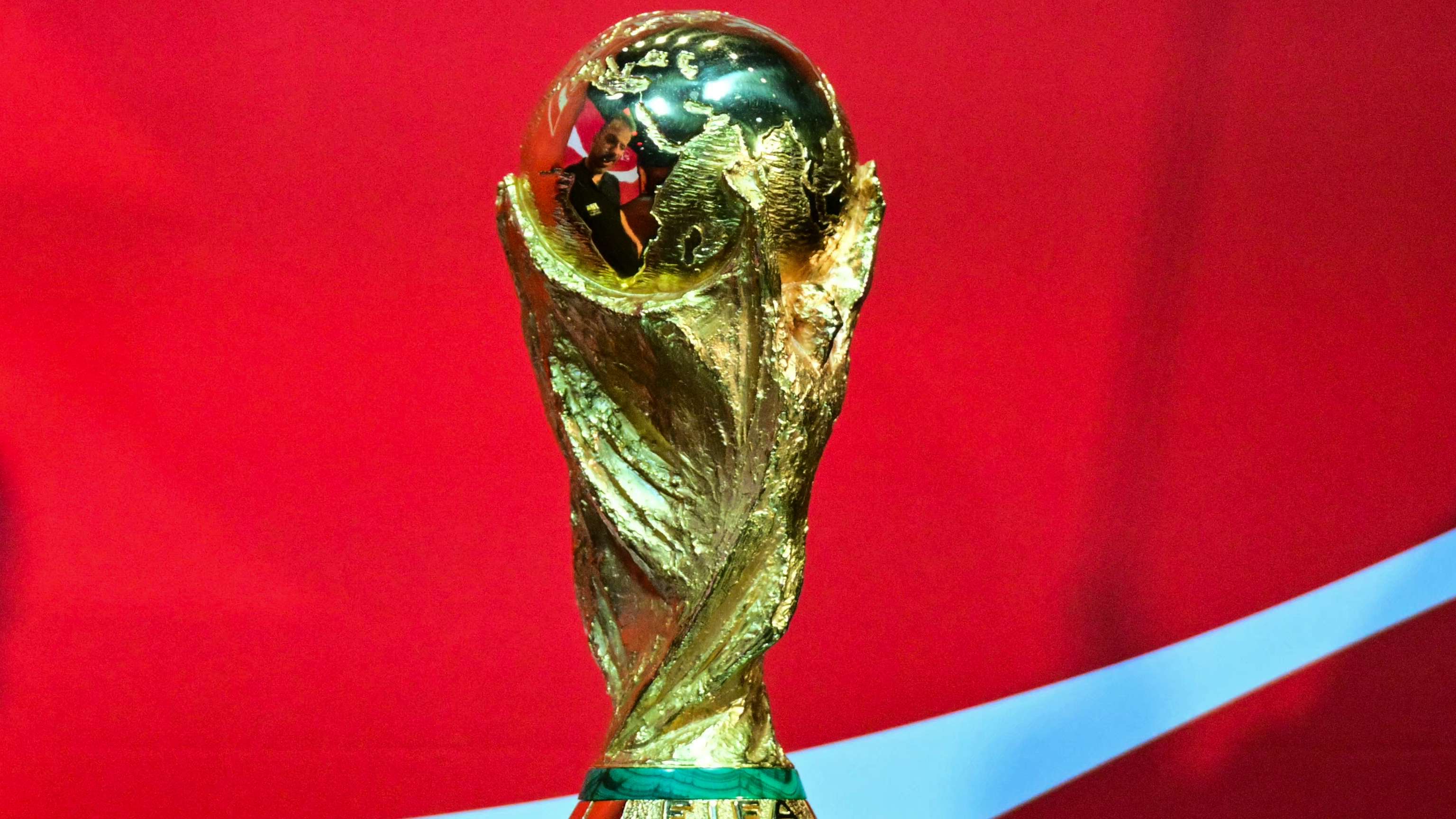
The 2026 World Cup, featuring 48 teams including eight Arab sides for the first time, is scheduled to kick off on 11 June and culminate with the final on 19 July. Football fans around the world eagerly await the performances of Ashour, Al-Shehri, and their fellow officials as they take on the responsibility of officiating at one of the biggest sporting events on the planet.
Implications of Arab Referees at the 2026 World Cup
The selection of Arab referees for the 2026 World Cup carries significant implications for the representation and diversity within the world of football officiating. With Mahmoud Ashour and Abdullah Al-Shehri at the helm, Arab countries are making strides towards establishing their presence on the global stage of football refereeing.
Historically, Arab referees have faced challenges in gaining recognition and opportunities at major international tournaments. The inclusion of Ashour and Al-Shehri in the officiating teams for the 2026 World Cup not only highlights their individual capabilities but also serves as a symbol of progress and inclusivity within the sport.
The Role of VAR in Modern Football
The controversial incidents involving VAR decisions in the domestic leagues of Egypt and Saudi Arabia shed light on the growing influence and scrutiny of Video Assistant Refereeing in modern football. The use of technology in officiating has been a double-edged sword, providing both clarity and controversy in equal measure.
As Ashour and Al-Shehri transition to the world stage of the World Cup, their experiences with VAR controversies may serve as valuable lessons in navigating the complexities of refereeing in high-stakes matches. The spotlight on their performances will not only test their skills but also showcase the evolution of refereeing practices in the modern game.
Building Bridges Through Football
Football has long been a unifying force that transcends borders and bridges cultures. The selection of Arab referees for the 2026 World Cup presents an opportunity to strengthen ties between nations and showcase the talent and professionalism of referees from the Arab world.
As Ashour, Al-Shehri, and their fellow officials take to the field in the United States, Canada, and Mexico, they will not only be representing their countries but also embodying the spirit of cooperation and sportsmanship that defines the beautiful game. Their presence at the World Cup serves as a testament to the power of football in fostering understanding and collaboration among diverse communities.
Looking Ahead to the 2026 World Cup
As the countdown to the 2026 World Cup begins, all eyes will be on Mahmoud Ashour, Abdullah Al-Shehri, and the entire officiating teams from Saudi Arabia and Egypt. The tournament promises to be a showcase of talent, skill, and unity on a global scale, with Arab referees playing a pivotal role in ensuring fair play and upholding the integrity of the game.
Football fans can expect thrilling matches, dramatic moments, and perhaps a few contentious decisions that will test the mettle of referees and ignite passionate debates among supporters. The diversity of perspectives and experiences brought by referees like Ashour and Al-Shehri only enriches the spectacle of the World Cup and underscores the universal appeal of football as a sport that brings people together.
By exploring the implications of Arab referees at the 2026 World Cup, examining the role of VAR in modern football, highlighting the potential for building bridges through the sport, and looking ahead to the upcoming tournament, this expanded content provides a comprehensive and insightful perspective on the curious paradox of Arab referees selected for the World Cup.