
Marcus Rashford’s Manchester United Return Faces Injury and Form Questions
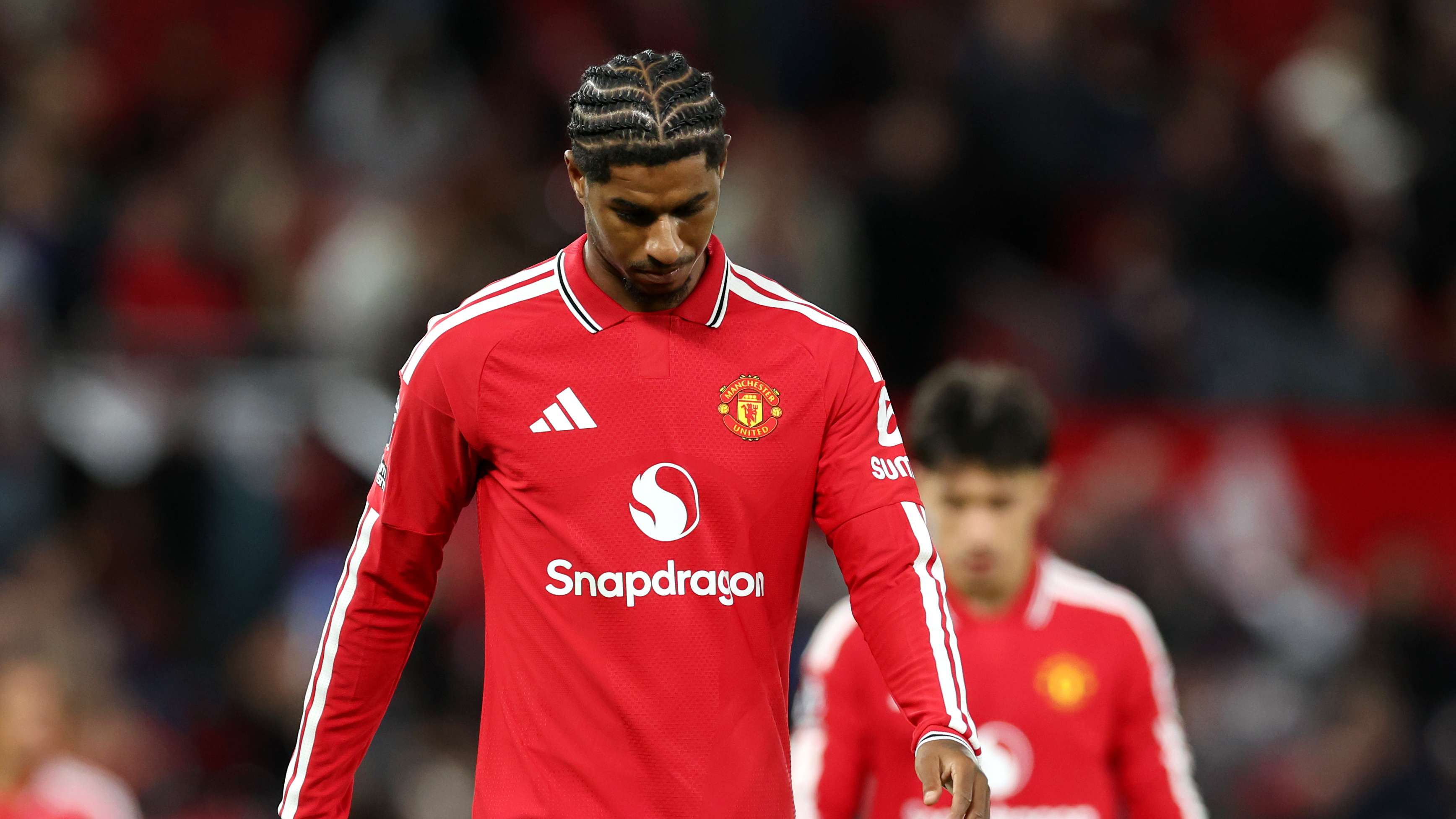
Marcus Rashford’s return to Manchester United has yet to deliver the revival many supporters hoped to see. After an encouraging loan spell at Barcelona, the England forward came back to Old Trafford when the Spanish club chose not to activate its option to make the move permanent. The fresh start was meant to give him another opportunity to rebuild his confidence and re-establish himself as a key figure. Instead, an underwhelming run of performances and a persistent hip problem have made his future harder to predict.
Rashford’s difficulties cannot be separated from Manchester United’s broader struggles. The club have endured a disappointing period, with results and performances falling short of the standards expected from a team with United’s history and resources. In that unsettled environment, individual players have found it difficult to create momentum. According to the Spanish newspaper Sport, Rashford has so far been unable to change the team’s direction or lift its overall level.
Rashford’s Statistics Highlight a Difficult Start
The available numbers underline the gap between expectation and output. Across eight appearances, Rashford has played 502 minutes without scoring a goal or providing an assist. For a forward whose game is built around pace, direct running and decisive contributions in the final third, that return is a clear sign that his season has not yet taken off.
Those figures do not tell the whole story. A player’s impact can also be measured through movement, pressing, chance creation and the ability to stretch a defence. Still, goals and assists remain central measures for an attacking player, particularly one expected to influence matches at a club competing under intense scrutiny. Rashford will be aware that he needs a sustained run of sharper performances to change the conversation.
His Barcelona loan had offered reason for optimism. The Englishman produced a strong spell in Spain, showing that he could still contribute at a high level when given a clear role and a supportive setting. Returning to Manchester was therefore seen as a chance to carry that confidence into a familiar environment. So far, however, the transition has proved more complicated than anticipated. United’s uneven form, questions over his fitness and the pressure surrounding the club have all contributed to a difficult start.
Chronic Hip Problem Adds to Manchester United’s Concerns
The latest setback is physical. Reports in England say Rashford has been dealing with a chronic hip problem since early October, an issue that has kept him out of several recent matches. The injury has raised concern at Old Trafford because there is no firm timetable for his return, leaving both the player and the club uncertain about when he can resume training and compete regularly.
Some reports have suggested that an upcoming European fixture against Roma could provide a possible target for his comeback. That should be treated as a potential date rather than a confirmed return plan. With a persistent injury, the priority will be ensuring Rashford is fit enough to play without aggravating the problem. Returning too quickly could risk extending his absence, while a careful recovery may be essential if he is to regain rhythm over the remainder of the campaign.
For United, the timing is especially awkward. The team need dependable attacking options as they attempt to improve their performances, but an unavailable Rashford cannot provide the pace and threat he offers when fully fit. His absence also limits the manager’s choices when adjusting the forward line. If the club are to recover consistency, they will need contributions from across the squad rather than relying on one player—but Rashford’s return could still be an important boost.
Managerial Uncertainty Could Shape Rashford’s Role
Questions about manager Michael Carrick’s position have added another layer of uncertainty. Reports indicate that doubts are circulating over his future, creating an unstable backdrop for players who are still trying to establish their place in the team. A change in the dugout can bring new tactics, different selection priorities and a fresh assessment of the squad.
That possibility matters to Rashford because Carrick was reportedly among the strongest supporters of bringing him back and restoring him to a prominent role. A manager’s confidence can be valuable for a player trying to recover form, especially when performances have not yet produced the numbers expected. If Carrick were to leave, Rashford could lose one of his main advocates within the club and face the challenge of convincing a new coach that he belongs in the starting plans.
Any coaching change would not automatically determine Rashford’s future. A new manager might view his pace and experience as useful assets, particularly in matches where United need to attack quickly. Equally, a different tactical approach could leave him competing for minutes in a system less suited to his strengths. Much will depend on his fitness, his response once he returns and the club’s wider plans for the forward line.
What Happens Next for Rashford?
The immediate priority is a successful recovery from the hip issue. Once available, Rashford will need regular minutes to rebuild match sharpness and demonstrate that he can influence games again. A goal or assist could help restore confidence, but consistency will matter more than a single standout moment. Supporters will also be watching for signs of improved movement, stronger decision-making and a greater connection with his teammates.
Manchester United’s own form will shape the outlook. A more settled team could create better opportunities for Rashford, while continued instability may make it harder for any attacker to perform. The club’s ability to provide clear roles and consistent support could be just as important as the forward’s individual response.
For now, Rashford’s return to Old Trafford remains a story of promise interrupted. His Barcelona spell showed that he can still produce meaningful performances, but his United comeback has been blunted by poor numbers, a troubling injury and uncertainty around the manager. The next few weeks could prove significant: a careful return and a stronger run of form would give him a chance to reset his season, while further setbacks would deepen the questions surrounding his place at the club.
Any football prediction about Rashford’s longer-term future should therefore be made cautiously. His situation is still developing, and much depends on when he is fit, how quickly he regains form and whether the coaching structure remains stable. What is clear is that the opportunity to make this return a success has not disappeared—but Rashford has little room for another prolonged setback.