
Hossam Hassan’s Egypt Exit Follows Months of Disputes and Pressure
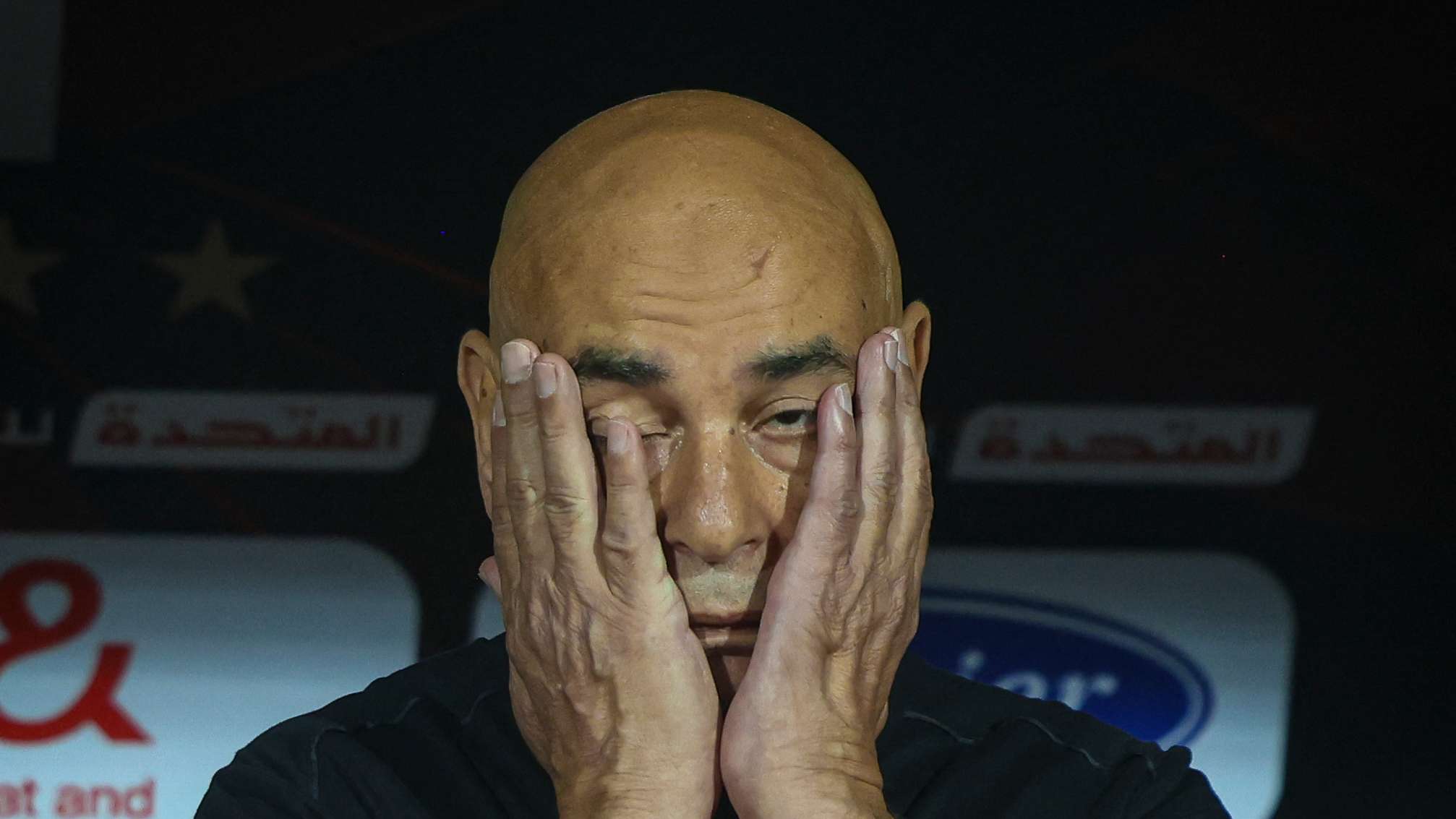
Hossam Hassan’s departure as Egypt head coach brought an abrupt end to a turbulent period marked by public disagreements, controversy and growing questions about the national team’s stability. Although the Egyptian Football Association had extended his contract through 2030 in September, it announced on Saturday that Hassan and his coaching staff were leaving their positions. Ali Maher was named as the team’s new manager.
The decision followed a series of incidents stretching from the 2025 Africa Cup of Nations in Morocco to the 2026 World Cup. Disputes over tournament logistics, clashes with journalists, tensions involving high-profile players and a personal matter that drew the attention of Egypt’s media regulator all contributed to the mounting pressure around the coach.
For supporters following Egypt football, the change raises an immediate question: can a new manager restore calm and turn attention back to results? Any prediction about the team’s next chapter will depend not only on the coaching appointment, but also on how quickly the squad and federation can move beyond the controversies surrounding Hassan’s tenure.
AFCON Complaints Put Tournament Logistics in the Spotlight
The tensions became visible during the 2025 Africa Cup of Nations in Morocco. Hassan criticised the tournament schedule, arguing that Egypt had not received adequate recovery time and that travelling from Agadir to Tangier disrupted the team’s preparation. He also pointed to Senegal’s additional day of rest before their semi-final as an example of what he considered unequal treatment.
His brother, Ibrahim Hassan, who served as the team’s director, added to the criticism. He objected to the Egyptian delegation’s accommodation in Tangier, describing it as more like a “boarding house” than a hotel suitable for a major continental competition. Ibrahim also questioned why Egypt had to travel to Casablanca for the third-place play-off against Nigeria.
Such complaints are not unusual in international football, where travel, recovery time and training conditions can affect performance. But when concerns are aired publicly, they can shift attention away from tactics and preparation. Instead of discussing Egypt’s football, fans and journalists were left debating the team’s treatment and the conduct of its leadership.
Disagreement with Moroccan journalists
Hassan also clashed with Moroccan reporters during the tournament. He reacted angrily to questions about Egypt’s performances and his comments on the organisation, describing one question as impolite and disrespectful. The exchange added another layer to an already tense campaign and fuelled debate about how national-team coaches should handle scrutiny at major events.
World Cup Police Incident Added to the Controversy
The difficulties continued after Egypt travelled to the United States for the 2026 World Cup. A video circulated online showing Ibrahim Hassan in a heated confrontation with a Dallas police officer inside the team’s hotel. The incident reportedly began when someone attempted to approach a player for a photograph and escalated into a physical scuffle.
Police later said the matter had been resolved. Hossam Hassan also described the issue as finished, adding that the Egyptian team had accepted an apology from the police. Even so, the footage attracted widespread attention, placing another off-field episode at the centre of coverage about Egypt’s campaign.
For a national team competing under intense global attention, incidents involving staff can quickly become part of the story. They can distract players, create additional media pressure and make it harder for coaches to keep public focus on preparation and performance.
Argentina Defeat Sparked Questions About Officiating
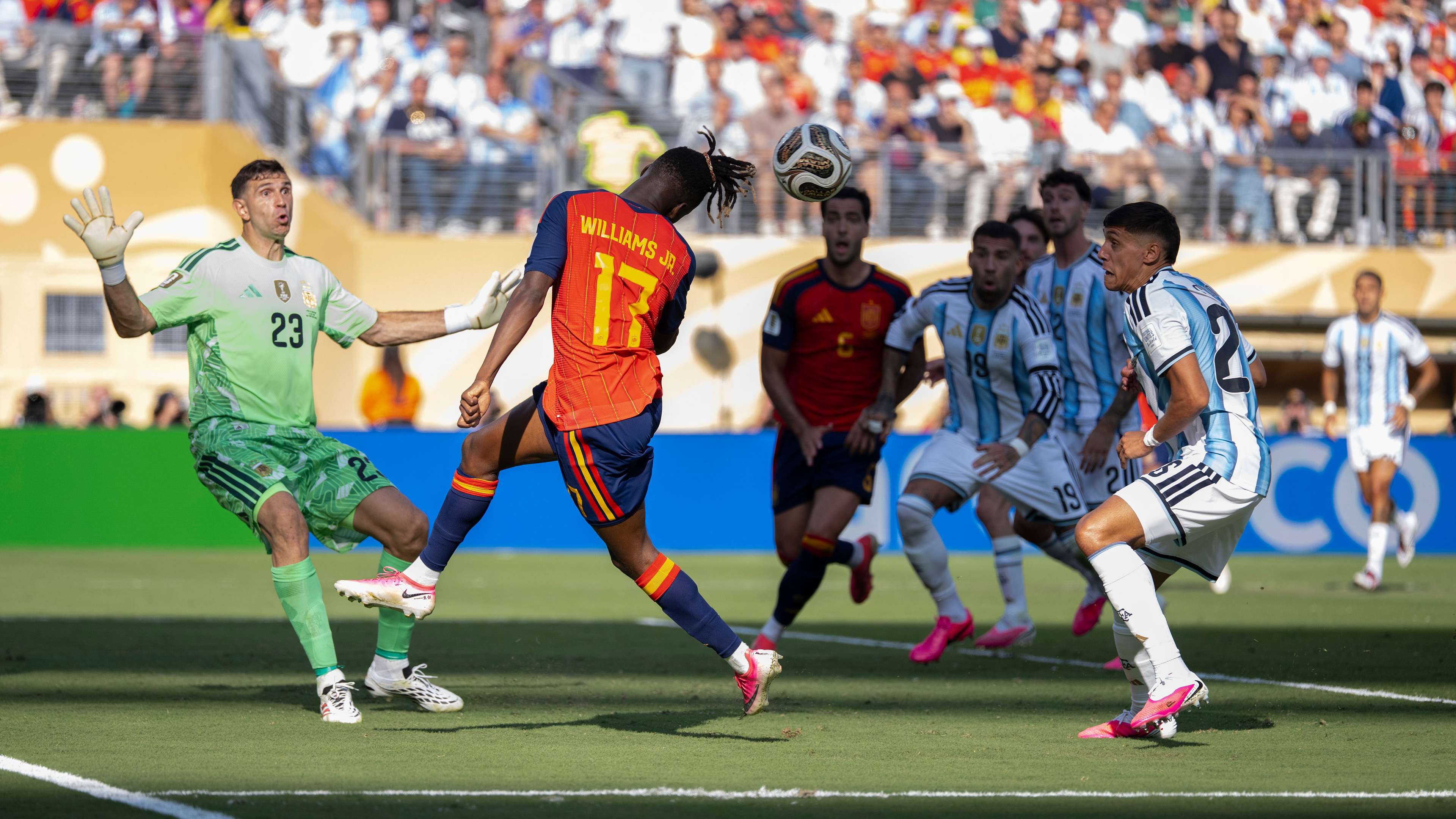
Egypt’s World Cup run ended with a 3-2 defeat to Argentina in the round of 16. Hassan strongly objected to the officiating, questioning the decision to disallow a goal by Mostafa Zico and arguing that Egypt should have received a penalty late in the match.
His criticism went beyond individual decisions. Hassan questioned the integrity of the calls and suggested that FIFA wanted Argentina and Lionel Messi to remain in the tournament. Those remarks intensified the backlash around the match and ensured that the post-game discussion focused as much on the referee as on Egypt’s performance.
Controversial decisions are a familiar part of football, especially in knockout matches where a single call can change a team’s prospects. But coaches’ public reactions can have lasting consequences, shaping how fans interpret a defeat and influencing the relationship between a team and the sport’s governing bodies.
Mohamed Salah and Mohamed El Shenawy Disputes
Questions about Hassan’s relationship with Mohamed Salah also emerged after the Liverpool forward was substituted against Angola in an Africa Cup of Nations qualifier last September. Salah’s absence from the following match added to speculation about whether there was tension between the captain and the coach. The available information did not settle those questions, but the episode became a major talking point among Egyptian supporters.
A separate disagreement involved Al Ahly goalkeeper Mohamed El Shenawy. Hassan described El Shenawy as having been “finished” at an earlier stage of his career, prompting the Cairo club to issue an official statement. Al Ahly said the comments had crossed a line in their treatment of the goalkeeper.
Public remarks about established players can quickly become sensitive in Egypt, where leading footballers command strong loyalty from fans and clubs. For a national-team coach, managing those relationships is part of the job: selection decisions matter, but so does maintaining trust and communicating criticism carefully.
Personal Issues and Media Restrictions
Hassan’s professional challenges were accompanied by personal matters involving his two wives that became subjects of media coverage. The disputes drew in the Supreme Council for Media Regulation, which urged the Egyptian Football Association to address the situation and took steps to restrict publication of details about the family issues.
On 4 November, the council ruled that Hassan himself should be barred from appearing in the media. The episode blurred the boundaries between public interest, personal privacy and the responsibilities of a high-profile sports figure. It also added to the wider perception that the coach was facing pressure on several fronts at once.
Why the Federation Ended Hassan’s Tenure
Despite the contract extension through 2030, the Egyptian Football Association ultimately decided to make a change. In its announcement, the federation said the decision followed a review of recent events and circumstances that had negatively affected the team’s positive image and stability.
That statement points to concerns broader than a single result or dispute. A national team needs a clear sporting plan, but it also depends on stable leadership, productive relationships with players and a working environment that allows attention to remain on football. Hassan’s tenure became increasingly associated with public conflict, making a reset an understandable option for the federation.
What Comes Next for Egypt Football?
Ali Maher now inherits a team with significant expectations and a fan base eager for consistency. His first challenge will be to establish authority while rebuilding confidence among players and supporters. He will also need to clarify Egypt’s tactical direction and ensure that off-field issues do not overshadow upcoming fixtures.
Any prediction about Egypt’s immediate prospects remains uncertain. Much will depend on how quickly the new manager settles in, how key players respond and whether the federation can provide a stable environment. Hassan’s exit closes a contentious chapter, but the next test is whether Egypt can turn the attention back to performance—and make its football the story again.