
Youssef En-Nesyri Faces Critical Scrutiny Amidst Al-Ittihad’s Struggles in the Saudi Pro League
The world of football is often marked by moments of brilliance and controversy, and recent developments surrounding Moroccan star Youssef En-Nesyri have sparked intense debate among fans and analysts alike. As Al-Ittihad continues its quest for dominance in the Saudi Pro League, the team’s attacking firepower and tactical cohesion have come under the microscope, especially following a goalless draw against Al-Fateh. This match, part of the fourth round of the Roshn League, has not only highlighted the team’s current challenges but also ignited a heated discussion about individual performances and strategic roles within the squad.
Al-Ittihad’s Draw Sparks Tactical Reflections and Player Criticism
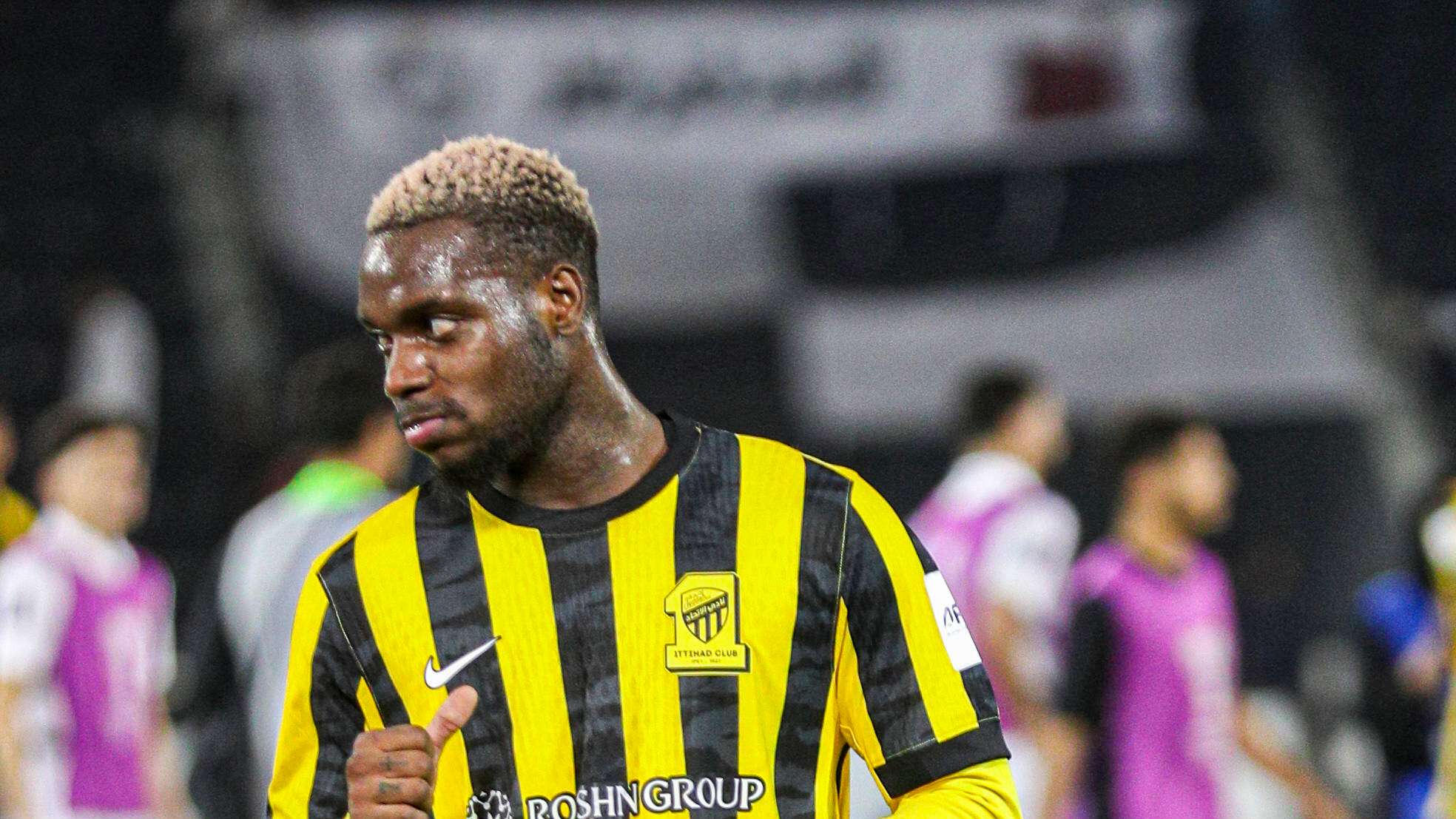
The recent 0-0 stalemate has prompted football pundits and fans to analyze the underlying issues hindering Al-Ittihad’s offensive effectiveness. At the heart of these discussions is Houssem Aouar, the talented Algerian midfielder who joined the club with high expectations but has yet to deliver consistent, game-changing performances. Despite his creative skills and technical prowess, Aouar has been operating below the levels anticipated by supporters and club officials, raising questions about his positioning and role within the team’s tactical setup.
One prominent voice in this debate is Tunisian football legend Tarak Dhiab, who has offered insightful analysis on how Aouar can maximize his impact on the pitch. Dhiab advocates for deploying Aouar in a more advanced, “9.5” role—an attacking midfielder position that allows him to operate closer to the striker and exploit his ability to drift between the lines, create scoring opportunities, and threaten the opposition’s penalty area. According to Dhiab, this positional adjustment could serve as a catalyst for unlocking Aouar’s full potential and, by extension, bolstering Al-Ittihad’s attacking potency.
Youssef En-Nesyri’s Role and the Challenges of Adaptation
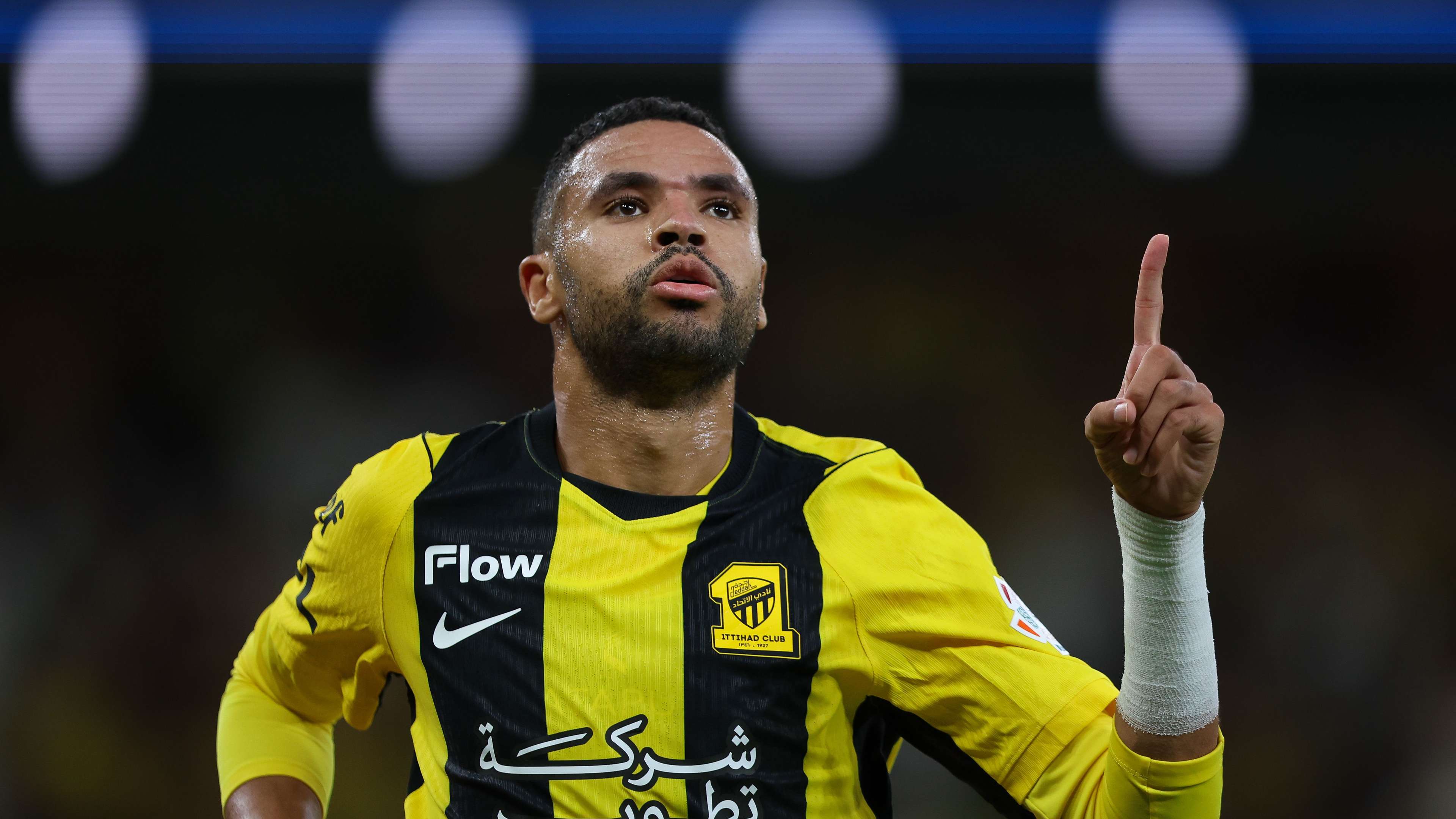
Complementing the tactical critique of Aouar is the ongoing scrutiny of Youssef En-Nesyri’s adaptation to life at Al-Ittihad. The Moroccan striker, renowned for his goal-scoring instincts and physical presence, has yet to fully resonate with the team’s playing style. His movement off the ball, positional awareness, and chemistry with teammates are areas where fans and analysts have expressed concerns. These issues are especially relevant given the crucial role a mobile striker plays in facilitating the creative duties of attacking midfielders like Aouar.
In the current setup, En-Nesyri’s ability to draw defenders, create space, and open channels for Aouar to exploit is vital. However, Dhiab emphasizes that the Moroccan forward has yet to achieve the harmony necessary for the duo’s combined effectiveness. Without the right understanding and tactical alignment, Aouar finds himself drifting into areas where he cannot influence the game as intended, diminishing his attacking impact and contributing to the team’s overall struggles in front of goal.
Unraveling the Tactical Puzzle: Finding the Right Role for Aouar and En-Nesyri
The key to resolving these issues, according to football experts, lies in strategic role adjustments and fostering better synergy between the players. Tarak Dhiab argues that simply attributing Aouar’s underwhelming performances to individual flaws is an oversimplification. Instead, the focus should be on creating a cohesive tactical framework where each player’s responsibilities complement their strengths.
He advocates for positioning Aouar closer to the striker—specifically in that advanced “9.5” role—where his creativity and dribbling can be most effective. To support this, En-Nesyri must be utilized as a dynamic, mobile striker capable of making intelligent runs, drawing defenders out of position, and providing Aouar with the space needed to operate freely. Achieving this harmony requires meticulous coaching, tactical flexibility, and perhaps a reevaluation of the team’s attacking patterns.
Looking Ahead: The Road to Improved Football and Prediction of Future Performances
As Al-Ittihad prepares for upcoming fixtures, including their crucial clash against Al-Nassr FC scheduled for September 6th, 2023, the focus is on how the team can evolve tactically and improve individual performances. Fans and football prediction enthusiasts are keenly watching whether these strategic adjustments will translate into better results and more entertaining football.
Predicting the outcome of future matches in the Saudi Pro League involves analyzing team form, tactical setups, and player performances. If Al-Ittihad manages to optimize the roles of En-Nesyri and Aouar, ensuring their styles of play are harmonized, the team could turn their current challenges into opportunities for success. Conversely, failure to address these issues might prolong their goal-scoring drought and impact their standings in the league standings.
Broader Context: The Significance of Tactical Flexibility in Modern Football
The situation at Al-Ittihad exemplifies a broader trend in modern football where tactical adaptability and player roles are crucial for success. The era of rigid formations and static roles is giving way to more fluid systems that require players to interpret their responsibilities dynamically. Coaches who can effectively leverage player strengths, foster chemistry, and implement flexible tactics often outperform rivals with more predictable setups.
In the context of the Saudi Pro League, which continues to grow in competitiveness and global appeal, clubs like Al-Ittihad are investing heavily not just in star players but also in tactical innovation. The ability to fine-tune roles, especially for creative midfielders and goal scorers, can be the difference between title contention and mid-table mediocrity.
Conclusion: The Road to Redemption for Al-Ittihad’s Attack
While the recent goalless draw has cast a temporary shadow over Al-Ittihad’s attacking ambitions, it has also sparked valuable discussions on how to improve team performance through tactical refinement. The critique of Houssem Aouar’s role and Youssef En-Nesyri’s adaptation underscores the importance of strategic coherence and player harmony in football prediction and analysis.
If the club’s coaching staff can successfully implement the suggested role adjustments—positioning Aouar closer to the striker and maximizing En-Nesyri’s mobility—Al-Ittihad could unlock a more potent attacking force in the coming matches. For football fans and prediction enthusiasts, these developments offer a glimpse into the tactical chess game that defines modern football, promising exciting times ahead as the team strives for consistency and success in the Saudi Pro League.