
Lothar Matthäus backs Michael Olise’s ninth-place Ballon d’Or finish
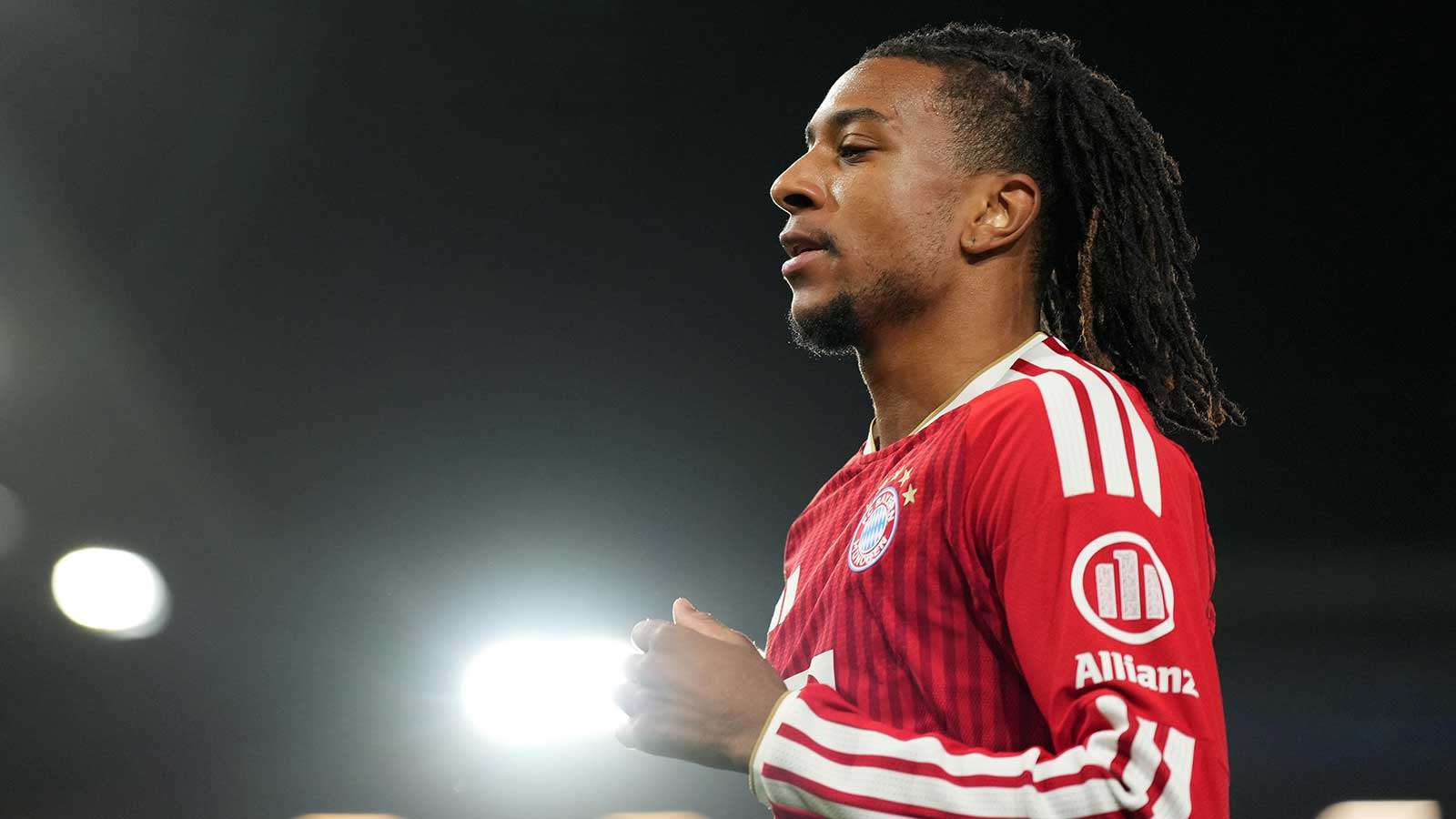
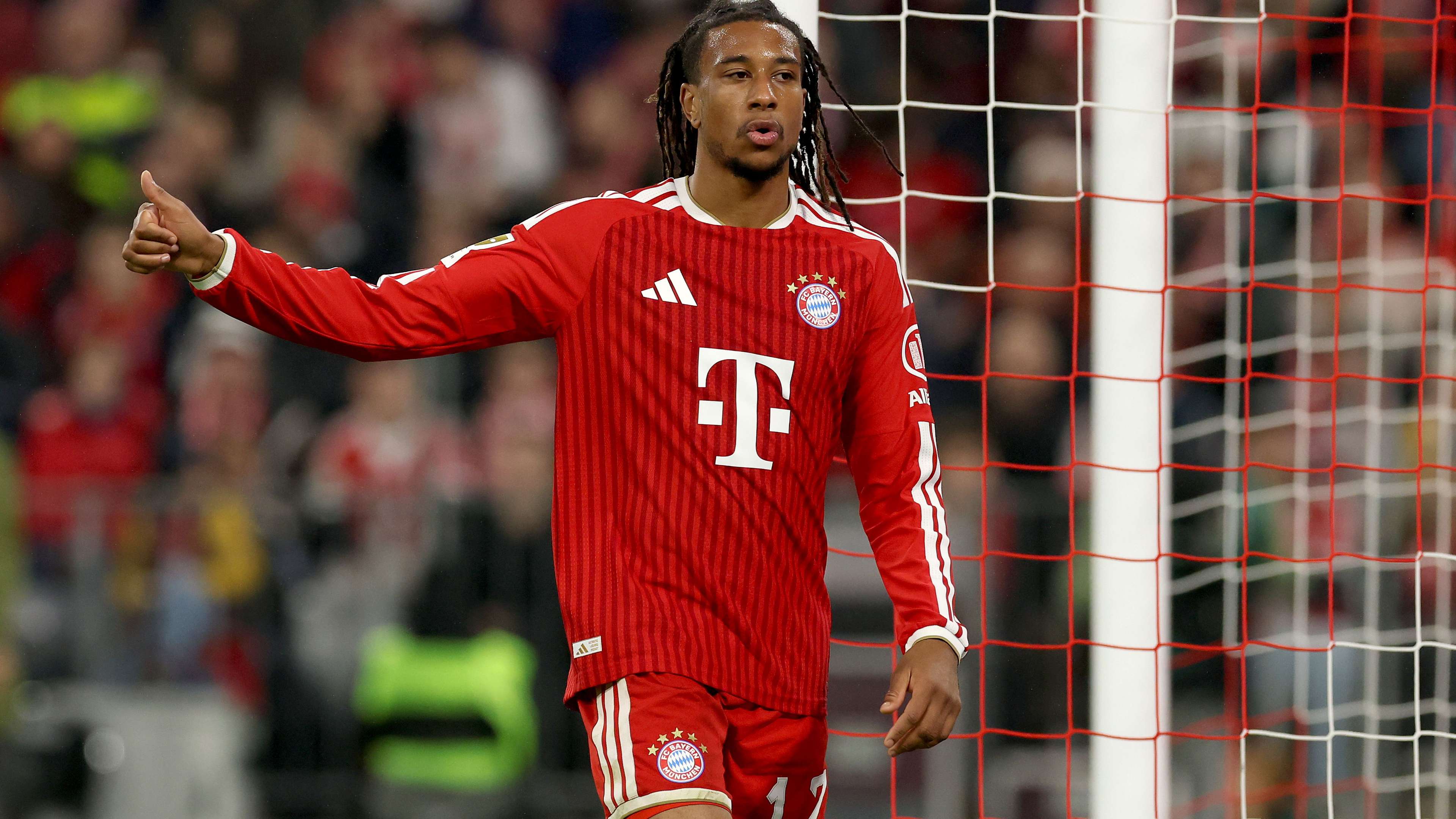
German football icon Lothar Matthäus believes Bayern Munich winger Michael Olise received a fair result in the 2026 Ballon d’Or voting, despite some supporters arguing that the French international deserved a higher position. Olise finished ninth after an impressive season for Bayern and France, while teammate Harry Kane claimed the prestigious individual award.
The ranking sparked debate among Bayern fans, who felt Olise’s creative influence and consistent performances merited a place closer to the top of the list. Matthäus, however, urged supporters to consider the quality of the players who finished ahead of him. In his view, ninth place reflected a strong and competitive field rather than a failure to recognise Olise’s contribution.
Matthäus says Olise’s ranking was fair
Writing for Sky Germany in comments carried by Yahoo Sport, Matthäus described Olise’s position as justified. He pointed to the names above the winger, including Rodri, Ousmane Dembélé and Erling Haaland, as evidence of how difficult it was to climb higher in this year’s vote.
“Olise taking ninth place is fair,” Matthäus said, adding that the players ahead of him had also produced outstanding seasons. He praised the overall voting process and congratulated those involved in organising the award and reaching the final decisions.
That assessment does not diminish Olise’s achievement. Reaching the top 10 of the Ballon d’Or is a significant milestone, particularly in a year when several elite players had compelling cases. For a winger, the ranking also reflects more than goals alone: voters weigh creative output, influence in major matches, consistency and performances for both club and country.
Why Bayern supporters wanted Olise higher
Olise’s season gave Bayern fans plenty of reasons to campaign for a better finish. The French winger brought pace, close control and inventive passing to the attack, offering a different kind of threat from the club’s central forwards. His ability to beat defenders and create chances helped make him a key part of Bayern’s attacking plans.
Supporters often judge a player’s value through the moments they remember most: a decisive assist, a goal in a tight match or a run that changes the rhythm of a game. Ballon d’Or voting is broader. It considers performances over an entire season and compares players operating in different positions, teams and competitions. That makes the final order open to interpretation, even when the candidates have all enjoyed exceptional campaigns.
Matthäus’s comments offer a useful perspective on that debate. A ninth-place finish can be both a fair reflection of the competition and a sign that Olise has established himself among the world’s leading players. The result also sets a benchmark for the winger as he looks to build on his first major season at Bayern.
Matthäus believes Kane was the rightful winner
While defending Olise’s position, Matthäus was more emphatic about the winner. He said Harry Kane deserved the Ballon d’Or more than anyone else, praising the Bayern striker’s consistency across the season and the broader impact of his performances.
“I am happy for everyone who receives an award, but I think Harry Kane is the player who deserved the Ballon d’Or more than anyone else,” Matthäus wrote. He added that the award should recognise a player who maintains a high standard throughout the season, entertains supporters and serves as a role model.
Kane’s victory ended Bayern Munich’s 45-year wait for a Ballon d’Or winner, making the result especially meaningful for the club and its supporters. The England captain’s achievement also underlined how individual awards can recognise sustained excellence, rather than focusing only on a single competition or a handful of headline performances.
For Bayern, the night brought two major talking points: Kane’s triumph and Olise’s place among the top 10. The contrast between the striker’s first-place finish and the winger’s ninth-place result illustrates the range of performances that shaped the vote. It also gives the club a strong foundation for the next season, with both players positioned to remain central to its ambitions.
What the Ballon d’Or result could mean next
Olise’s ranking is likely to fuel discussion about how voters assess attacking players. Goals and assists are easy to compare, but a winger’s influence can also appear in less obvious ways: drawing defenders out of position, progressing the ball, creating space for teammates and helping a side control the tempo. Those contributions may not always translate neatly into a final ranking.
The result could also sharpen expectations for Olise’s next campaign. A top-10 finish brings recognition, but it can raise the bar. If he sustains his form, produces decisive performances in major fixtures and helps Bayern compete for major honours, he may have an opportunity to challenge for an even higher position in future voting.
For fans searching for a Ballon d’Or prediction for the next edition, the early lesson is clear: individual brilliance matters, but consistency and team success remain influential. Kane’s win reflects Matthäus’s belief that a player must deliver across the full season, while Olise’s ninth-place finish shows how difficult it is to separate a crowded group of elite contenders.
Ultimately, Matthäus has offered a measured verdict rather than dismissing the debate. He considers Olise’s ranking fair, recognises the strength of the players ahead of him and believes Kane was the standout choice for the prize. Bayern supporters may still argue that their winger deserved more, but Olise’s top-10 finish confirms that his performances have placed him firmly on football’s biggest individual stage.