
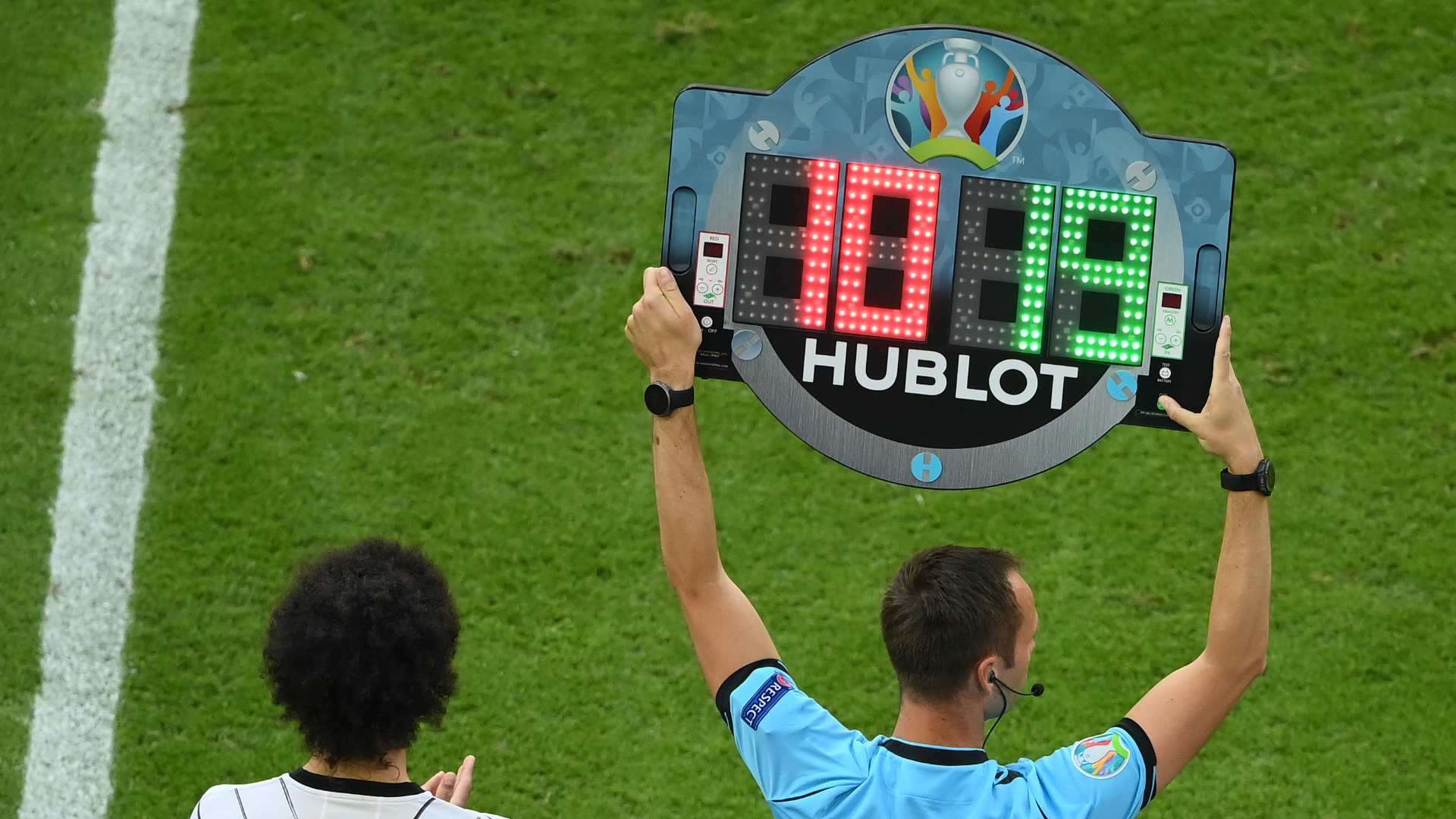

2026 FIFA World Cup: Substitution Rules and Strategies
As the 2026 FIFA World Cup approaches, football fans around the world are eager to learn the ins and outs of the tournament’s substitution rules. “Super-subs” have often been the difference-makers in key matches, changing the course of games with their impact off the bench. So, how many substitutions are allowed at the 2026 World Cup, and when can teams make these crucial changes?
What is a substitution in soccer?
A substitution in soccer occurs when a player on the field is replaced by another player from the bench. At the World Cup, teams will start with 11 players on the pitch, with the option to make multiple substitutions. If two players are substituted out, two can enter the game simultaneously.
Historically, substitutions have played a significant role in the World Cup’s history. Iconic moments like Louis van Gaal’s last-minute substitution of Tim Krul in 2014, which led to a dramatic penalty shootout victory for the Netherlands, highlight the impact substitutions can have on a match.
At the 2002 World Cup, Richard Morales scored the fastest goal ever by a substitute, finding the net just 16 seconds after coming off the bench for Uruguay.
Number of substitutions allowed
Over the years, the number of substitutions allowed at the World Cup has evolved. In 1970, the concept of player substitutions was introduced in Mexico. By 1994, FIFA allowed teams to substitute injured or red-carded goalkeepers.
From 1998 to 2014, teams were permitted three substitutions per game. In 2018, the rules were adjusted to allow three substitutions in normal time and an additional one in extra time. In 2022, due to the climate considerations in Qatar, teams were allowed five substitutions plus one in extra time.
For the 2026 World Cup in the United States, Mexico, and Canada, the expectation is that teams will be able to make five substitutions, although this has yet to be officially confirmed.
When can teams make substitutions?
During normal time in a match, teams will have three windows to make substitutions, not including half-time. This means that while five players can be substituted, one replacement could be made at half-time, with the remaining changes spread out over the second half.
If both teams make substitutions simultaneously, each team will lose one of their allotted windows, ensuring fair play and strategic decision-making by the managers.
Concussion substitutions were introduced at the 2022 World Cup, allowing players to be replaced after a head injury. This rule ensures player safety and competitive integrity, with the opposition also receiving an extra substitution in such circumstances.
Additional considerations
For the 2026 World Cup, FIFA is expected to allow expanded squads, potentially allowing up to 15 players on the bench. This would include multiple goalkeepers and outfield players who can be utilized during the substitution windows.
While soccer currently does not have temporary substitutions, there is ongoing discussion about introducing this option for concussion-related injuries to ensure player welfare without compromising team dynamics.
In the event that a team has used all substitutions and a player gets injured, except for concussions, the team must play with 10 men. This scenario can lead to unique situations like outfield players stepping in as goalkeepers, as seen in past matches.
As teams prepare for the 2026 FIFA World Cup, understanding the substitution rules and strategies will be crucial for coaches, players, and fans alike. Stay tuned for more updates as the tournament draws closer.
Strategies for Maximizing Substitutions
With the potential increase in the number of allowed substitutions at the 2026 FIFA World Cup, teams will need to strategize on how to best utilize these opportunities. Coaches will have to carefully consider when to make substitutions to impact the game positively. One common strategy is to introduce fresh legs in the second half to capitalize on the fatigue of the opposition.
Moreover, substitutions can also be used strategically to change the tactical approach of a team. For example, bringing on an attacking player for a defensive-minded one can shift the momentum of a game in favor of the team seeking a goal. Conversely, a defensive substitution can help secure a lead by tightening up the backline.
Teams will also need to assess the overall balance of their squad when making substitutions. It is essential to ensure that substitutions do not disrupt the team’s cohesion or leave them vulnerable in certain areas of the field. Coaches will have to weigh the potential impact of a substitution on both ends of the pitch before making a change.
The Impact of Substitutions on Player Development
Substitutions not only affect the outcome of a match but also play a crucial role in the development of players. Being used as a substitute can provide a player with valuable playing time and experience at the highest level of competition. It allows younger or less experienced players to showcase their skills and potentially earn a spot in the starting lineup in future games.
Furthermore, substitutions can also boost the morale and confidence of players. Coming off the bench and making a significant impact on a game can be a confidence booster for players, motivating them to perform at their best whenever called upon. It can also foster healthy competition within the squad as players vie for more playing time through their performances as substitutes.
Adapting to the Changing Dynamics of the Game
As football evolves, so too do the strategies surrounding substitutions. Coaches are constantly innovating and finding new ways to leverage substitutions to their advantage. Whether it’s through tactical changes, injecting pace into the game, or shoring up the defense, substitutions have become a key aspect of modern football.
With the potential introduction of temporary substitutions for head injuries at the 2026 World Cup, teams will need to adapt to these new dynamics. Coaches will have to be prepared to make quick decisions to ensure player safety while also considering the strategic implications of utilizing temporary replacements.
Looking Ahead to a Dynamic World Cup
The 2026 FIFA World Cup promises to be a tournament filled with exciting matches, dramatic moments, and strategic substitutions. With the potential for five substitutions per team, the dynamics of the game are set to change, offering more opportunities for coaches to influence the outcome of matches.
As fans eagerly await the spectacle of the World Cup, the role of substitutions will undoubtedly be a topic of discussion and debate. From game-changing super-subs to strategic masterstrokes by coaches, substitutions will continue to shape the narrative of the beautiful game on the biggest stage.
Stay tuned for more updates on the 2026 FIFA World Cup as teams gear up to compete for football’s ultimate prize.