
Manchester United’s crisis deepens as Michael Carrick faces mounting pressure
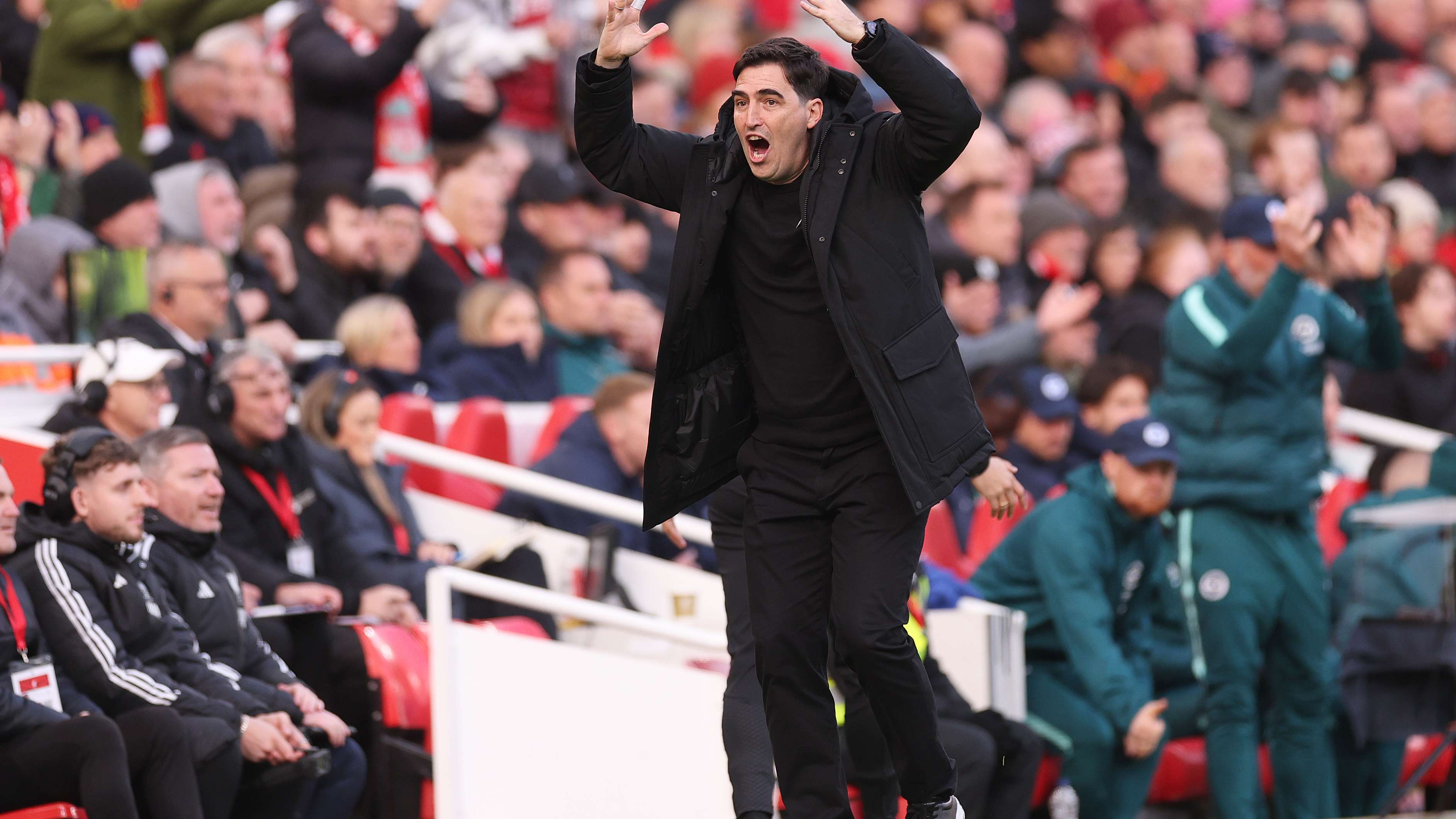
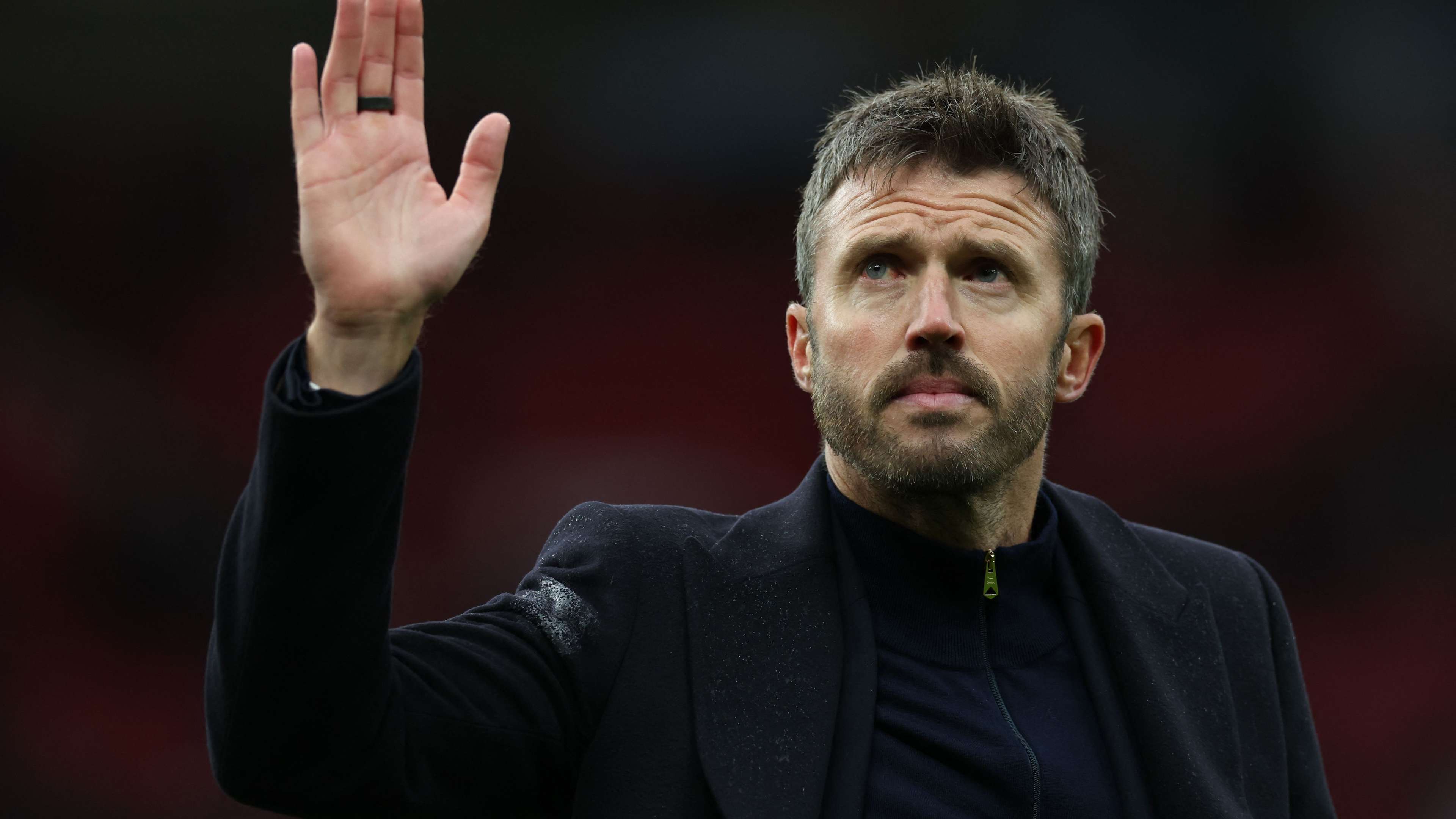
Manchester United’s season has reached another troubling turning point after a 3-0 home defeat to Bournemouth intensified scrutiny of manager Michael Carrick, the players and the club’s football leadership. The result was more than a damaging afternoon at Old Trafford: it added to a run of poor performances that has left United struggling near the bottom end of the Premier League table.
United have collected just one win from their opening eight league matches and sit 16th, a distant 14 points behind the league leaders. With the team’s last league victory dating back to 30 August, when it beat newly promoted Ipswich Town 5-2, Carrick is under increasing pressure to show that he can arrest the decline. For a club with United’s ambitions, the gap between expectations and results has become impossible to ignore.
What is the story behind Carrick’s uncertain future?
Carrick, 45, first took temporary charge last January following Ruben Amorim’s departure. A strong run of results helped persuade the club to appoint him permanently in May, and United subsequently secured Champions League football and finished third. Those achievements raised hopes that the former midfielder could provide stability and build a more consistent side.
That progress has not carried into the current campaign. United have struggled to string together convincing performances, and the Bournemouth loss has sharpened the question facing the club’s decision-makers: can Carrick still turn the season around, or does the team need a change of direction?
The manager offered little reassurance about his own position after the match. Speaking to Sky Sports, he acknowledged that the situation was difficult and said he did not know what would happen next. Carrick stressed that he would continue giving his best for United, but his comments also made clear that decisions about his future may soon be taken beyond his control.
That uncertainty matters not only for Carrick but also for his coaching staff and the squad. A potential managerial change could affect tactics, selection and recruitment plans, while another period of instability would risk making it harder for United to rebuild confidence. The club’s next steps could therefore shape more than the immediate results.
Dressing-room tensions add to the football club’s problems
United’s difficulties are not limited to the league table. Reports of strained relationships between Carrick and members of his squad have raised questions about whether the manager still has the dressing room’s full confidence. His decision to leave captain Bruno Fernandes on the bench against Bournemouth was particularly notable, given that the midfielder had publicly questioned Carrick’s tactics.
Fernandes’ criticism followed United’s 4-1 Champions League defeat to Como last Wednesday. Disagreements between a manager and a senior player can become a serious distraction, especially when results are already poor. The challenge for Carrick is to restore trust and establish a clear plan without allowing tactical disputes to overshadow the team’s immediate need for points.
Defender Lisandro Martinez has also contributed to the wider debate. He apologised for remarks criticising the club’s hierarchy, while calling for greater investment in the squad and stronger backing from technical director Jason Wilcox. His comments reflect a familiar issue at elite clubs: managers and players can only work with the resources and structure provided by those above them.
That does not remove responsibility from the players, but it complicates the search for answers. United must assess whether their problems stem primarily from coaching, recruitment, squad depth, internal relationships or a combination of all four. Until those issues are addressed, any short-term improvement may prove difficult to sustain.
Fans back Carrick but turn their anger on the players
The reaction at Old Trafford offered a striking contrast. Carrick, who made 464 appearances for United over 12 years as a player, remains a popular figure among supporters. After the final whistle, fans chanted his name as he walked around the pitch to acknowledge them.
Carrick said the support brought mixed emotions. He expressed concern for his players, describing the period as extremely difficult, and thanked the fans for their backing. He also admitted that United’s results and performances had not reached the required standard. The chants, he said, were not a farewell from his perspective.
But the atmosphere shifted after Carrick left the pitch. The players were met with boos, suggesting that supporters were directing much of their frustration at the team’s display rather than at the manager alone. That distinction may offer Carrick some breathing room, but it is not a guarantee of lasting support: fans will ultimately judge the team by what happens on the pitch.
Former United defender Gary Neville interpreted the chants as a sign that supporters recognise the possibility of a change. He said fans see Carrick as one of their own, while the owners, sporting management and players have lost popularity. Neville also warned that chief executive Omar Berrada and Wilcox could face a difficult decision that might anger supporters, even if they believe it is necessary.
Pundits question the players’ performance
Former Premier League striker Clinton Morrison said the post-match scenes captured the mood around the club: supporters were showing sympathy for Carrick while condemning the players. Morrison argued that a manager’s influence has limits and suggested that the squad’s current level is not good enough to win consistently.
Former United full-back Ashley Young was similarly critical. He acknowledged that Carrick’s history with the club helps explain the fans’ support, but said the players failed to show the effort or cohesion needed against Bournemouth. In his assessment, the visitors were clearly superior, while United’s performance was deeply disappointing.
Those comments underline a central concern for United: even a change in management may not be enough if the team continues to look disjointed and short of intensity. A successful response requires more than new tactics. Players must take responsibility, show greater commitment and demonstrate that they can perform together under pressure.
What comes next for Manchester United?
United’s upcoming fixtures will offer an early test of whether the team can respond. A Carabao Cup meeting with Bournemouth is followed by a Premier League match against Aston Villa, giving Carrick and his players little time to dwell on the defeat. The cup tie also presents an opportunity for a practical reset, though another poor result would likely increase the scrutiny.
Any prediction about Carrick’s future remains uncertain. The club must weigh the value of continuity against the risk of allowing a poor run to deepen. Keeping him in place could provide the stability needed to rebuild confidence, particularly if senior players and the board support a clear plan. Conversely, repeated defeats and visible internal tension could make a change increasingly difficult to avoid.
For now, United’s immediate priority is straightforward: improve the performances, reconnect the squad and start collecting points. The Bournemouth defeat has exposed a crisis that stretches beyond one manager or one match. Whether Carrick remains in charge or not, the club’s football leadership must find a coherent way forward before a difficult start becomes a season-defining collapse.