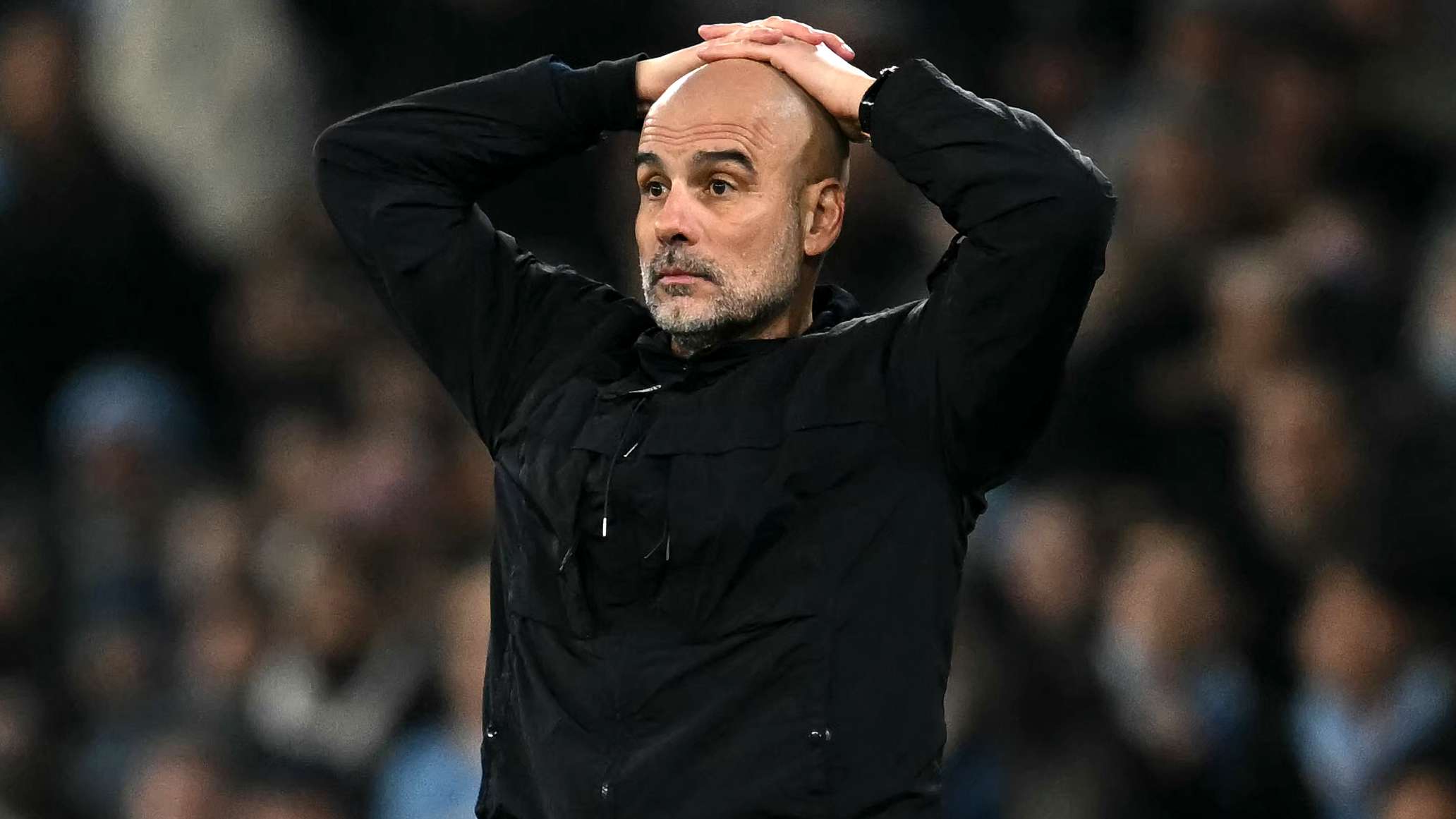

Manchester City’s manager, Pep Guardiola, recently expressed his discontent with the scheduling of English football matches, specifically criticizing the prioritization of domestic cup competitions over European success. Guardiola’s frustration stemmed from the fact that his team is set to face Newcastle United in an FA Cup fifth-round tie at 8pm (GMT) on Saturday, leaving them with limited recovery time before their crucial match against Real Madrid on Wednesday.
In his scathing assessment, Guardiola highlighted the challenges that come with such a congested fixture list and emphasized the importance of adequate rest and preparation for top-level matches. The City boss raised concerns about the toll that back-to-back games can take on his players physically and mentally, especially when facing tough opponents in both domestic and European competitions.
Guardiola’s comments have sparked a debate among football fans and analysts, with many weighing in on the issue of scheduling in English football. Some have pointed out the financial incentives associated with domestic cup competitions, which may explain why they are given higher priority by governing bodies and broadcasters. Others have argued that the demands of modern football, including domestic leagues, cup competitions, and European tournaments, make it difficult for teams to perform at their best consistently.
Despite the challenges posed by the packed schedule, Guardiola remains focused on the task at hand and is determined to lead his team to success in both domestic and European competitions. With important matches against Newcastle United and Real Madrid on the horizon, the City boss is expected to make strategic decisions regarding squad rotation and player management to ensure that his team remains competitive on all fronts.
As City prepares to face Newcastle United in the FA Cup fifth-round tie, fans and pundits alike are eagerly anticipating the outcome of the match and speculating on Guardiola’s lineup choices. The clash with Newcastle is seen as an opportunity for City to showcase their depth and quality against a strong opponent, while also testing their resilience in the face of a demanding schedule.
Looking ahead to the crucial Champions League fixture against Real Madrid, Guardiola and his team are aware of the challenges that lie ahead. With European success within reach, City will need to be at their best to overcome the Spanish giants and advance to the next stage of the competition. Guardiola’s tactical acumen and the players’ skill and determination will be put to the test as they aim to make a statement on the European stage.
Overall, Guardiola’s criticism of English football’s scheduling practices has brought attention to the complexities and demands of modern football. As City navigates through a challenging period of fixtures, fans will be watching closely to see how Guardiola’s team copes with the pressure and whether they can maintain their pursuit of success in both domestic and European competitions.
The Challenges of Fixture Congestion in Modern Football
Pep Guardiola’s recent criticism of English football scheduling has shed light on the intricate challenges that teams face in the modern game. With the demands of domestic leagues, cup competitions, and European tournaments, top clubs like Manchester City are constantly juggling their resources to stay competitive on all fronts.
The Financial Incentives of Domestic Cup Competitions
One aspect that often influences the prioritization of domestic cup competitions over European success is the financial incentives involved. Winning domestic cups can bring significant revenue through prize money, sponsorships, and increased fan engagement. As a result, clubs may be inclined to focus on these competitions to boost their financial standing.
The Importance of Squad Rotation and Player Management
With a congested fixture list, effective squad rotation and player management become crucial for a team’s success. Guardiola’s strategic decisions regarding player selection and rest periods play a pivotal role in ensuring that his squad remains fresh and competitive throughout the season. Balancing the workload of key players and providing opportunities for rotation is essential to avoid burnout and injuries.
The Psychological Impact of Fixture Congestion
Aside from the physical toll, the mental strain of constant matches can also affect players’ performances. The pressure of high-stakes games, combined with the need for consistent results, can take a toll on the players’ focus and motivation. Guardiola’s emphasis on adequate rest and preparation reflects his understanding of the psychological challenges that come with a packed schedule.
The Pursuit of Success in European Competitions
While domestic glory is undoubtedly important, European success remains a pinnacle for top clubs like Manchester City. The Champions League represents a platform for teams to prove their quality on a global stage and showcase their ability to compete against the best in Europe. Guardiola’s ambition to lead City to victory in Europe highlights the club’s desire for international recognition and success.
Striking a Balance Between Rest and Performance
As City prepares for their upcoming matches against Newcastle United and Real Madrid, Guardiola’s challenge lies in striking a balance between giving his players adequate rest and maintaining peak performance levels. The delicate equilibrium between physical recovery and tactical preparation will be crucial in determining the outcome of these key fixtures.
Conclusion
Guardiola’s critique of English football scheduling serves as a reminder of the intricate nature of managing a top-tier football club in today’s fast-paced environment. As Manchester City navigates through a challenging period of matches, the spotlight remains on Guardiola and his team as they strive for success on multiple fronts. The ability to overcome fixture congestion, handle the pressures of high-stakes games, and maintain consistency will ultimately define City’s season as they chase glory in both domestic and European competitions.