
2026 Ballon d’Or Voting Reveals Messi’s Lasting Influence
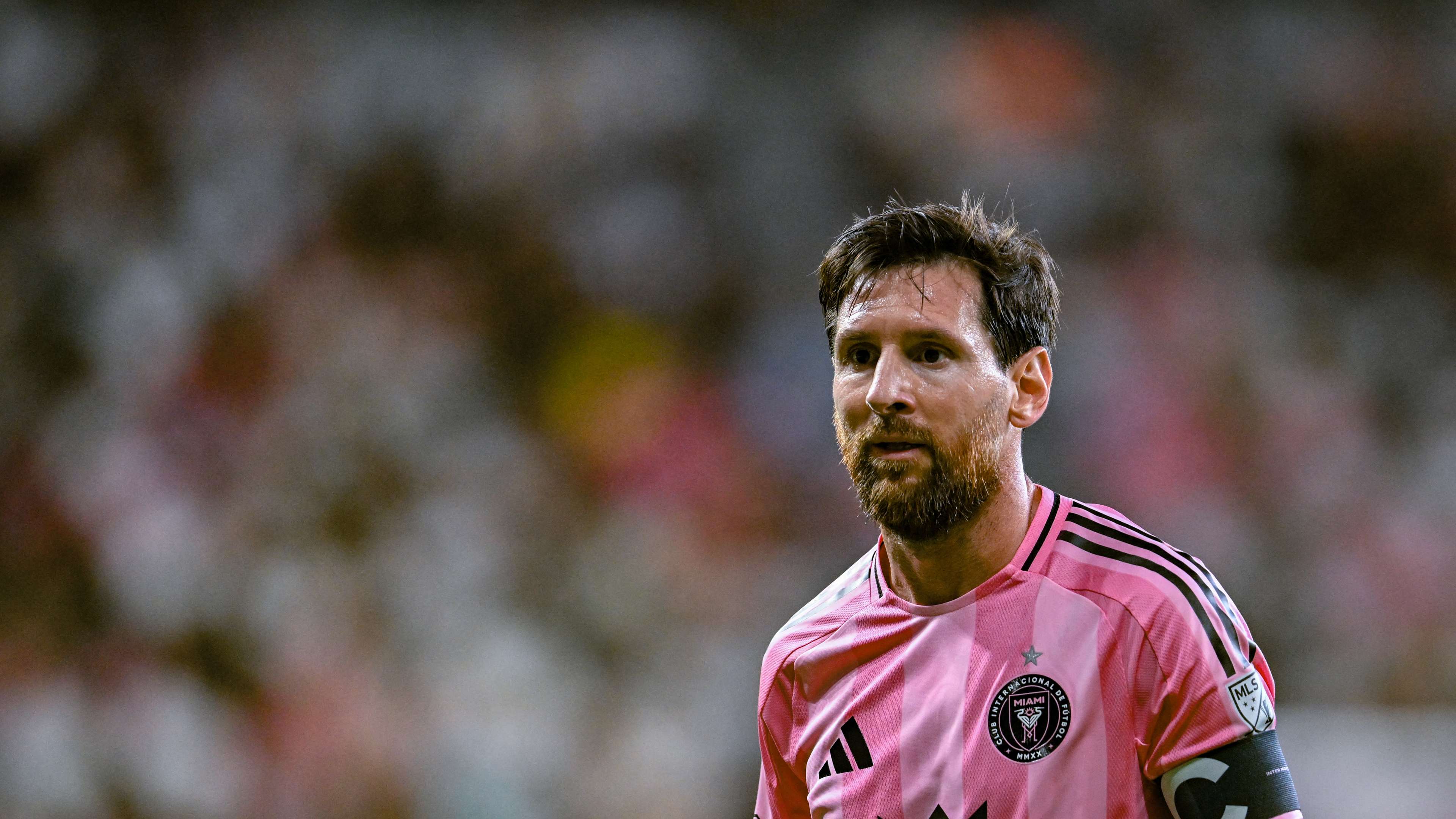
The 2026 Ballon d’Or results produced an intriguing contrast between final rankings and individual voter preferences. Lionel Messi finished fifth overall, narrowly missing the top four, but remained a clear favorite in several countries. Six national voters placed the Argentine superstar first, underlining his enduring influence in world football—even as a new generation of contenders dominated the final standings.
Meanwhile, Ousmane Dembélé, who won the award in 2025, received no first-place votes at all. The contrast offers a revealing look at how the Ballon d’Or is decided: the final result reflects the combined judgment of voters across many countries, while individual ballots can show how strongly particular players resonate with different football audiences.
Six countries put Messi at the top
Details published by France Football and reported by Spanish newspaper AS show that voters from Brazil, Argentina, Panama, Belarus, the United Arab Emirates and China all ranked Messi first. Their choices stood out because Messi finished fifth in the overall classification, outside the top four.
That support does not change his final position, but it highlights the continuing reach of his reputation. Messi’s record-breaking career, major international success and long-standing role as one of football’s defining players remain powerful factors for voters. In countries where his achievements have inspired generations of supporters, his name can still command the top spot—even when the broader vote favors other candidates.
The result also illustrates a key feature of the Ballon d’Or voting system. A player may receive passionate backing from several voters and still finish behind rivals who earn more consistent support across the full electorate. Messi’s fifth-place finish and six first-place selections are therefore not contradictory; together, they reveal both the breadth of the competition and the lasting strength of his personal following.
Dembélé’s unusual outcome after winning in 2025
Dembélé finished seventh in the 2026 standings, but his ballot record contained a striking detail: no country’s representative ranked him first. He did, however, appear in second place on the ballots from Burkina Faso, China, France, Georgia, Haiti, North Macedonia and Nigeria.
That pattern suggests Dembélé remained a credible candidate in the eyes of several voters, even if he did not emerge as anyone’s leading choice. A second-place ranking can still contribute valuable points in a cumulative vote, but the absence of first-place support may have limited his ability to challenge the leading contenders.
His result is especially notable because he entered the season as the previous year’s winner. Repeating as Ballon d’Or champion is difficult: voters assess performances across a new period, and the field changes as players build their own cases through club and international football. A past victory can raise expectations, but it does not guarantee continued dominance in the next vote.
Mbappé and Haaland receive mixed support
Kylian Mbappé also appeared in the voting details, with China’s representative placing him fifth and Paraguay’s voter ranking him third. His strongest regional showing came in Africa, where nine of the 20 participating countries named him their first choice. That level of backing points to a substantial base of support, even though the published figures do not establish how every individual ballot shaped the final standings.
Mbappé’s continued presence near the top of voters’ minds reflects his status as one of the most prominent attacking players in football. His speed, scoring record and high-profile performances make him a regular subject of Ballon d’Or prediction discussions. Yet the voting also shows that popularity alone is not enough: voters weigh a player’s season as a whole, including consistency, decisive performances and achievements with club and country.
Erling Haaland, by contrast, received no first-place votes, matching Dembélé on that measure. The representatives of Croatia, Northern Ireland and Norway each placed the Norwegian striker second. That support confirms that Haaland remained a serious contender for some voters, despite failing to secure a top ranking on any ballot.
For a prolific forward, a strong reputation as a goal scorer can keep a player high in the conversation, but the Ballon d’Or race often turns on more than statistics. Team success, memorable moments and the overall impression of a campaign can all influence how voters separate candidates with outstanding records.
Olise earns a solitary first-place vote
Michael Olise received his only first-place selection from the journalist representing Curaçao. While a single vote is not enough to reshape the overall result, it is a reminder that the award can reflect distinctive local perspectives as well as broad international trends.
Ballon d’Or ballots are submitted by journalists representing participating countries, and each voter’s ranking contributes to the final outcome. Individual choices can therefore spotlight players whose performances made a particular impression, even if they were not widely selected as the overall favorite.
What the voting says about the 2026 race
The 2026 Ballon d’Or vote offers a useful snapshot of football’s changing hierarchy. Messi’s six first-place selections demonstrate that his influence remains global, while Dembélé and Haaland’s lack of top votes shows how difficult it can be to convert recognition into outright preference. Mbappé’s strong support across several African ballots, meanwhile, points to the continuing reach of his international profile.
For supporters following the awards, these figures add depth to the final ranking and make Ballon d’Or prediction more nuanced. The overall standings identify the players who accumulated the strongest combined support, but the country-by-country ballots reveal where individual stars found their most devoted backing. In Messi’s case, finishing fifth did not erase his presence in the race. Instead, the voting showed that, even outside the podium, he remains a player many football voters are still willing to place above everyone else.