
Inter Appoint Simone Lo Schiavo as Director of Football Development
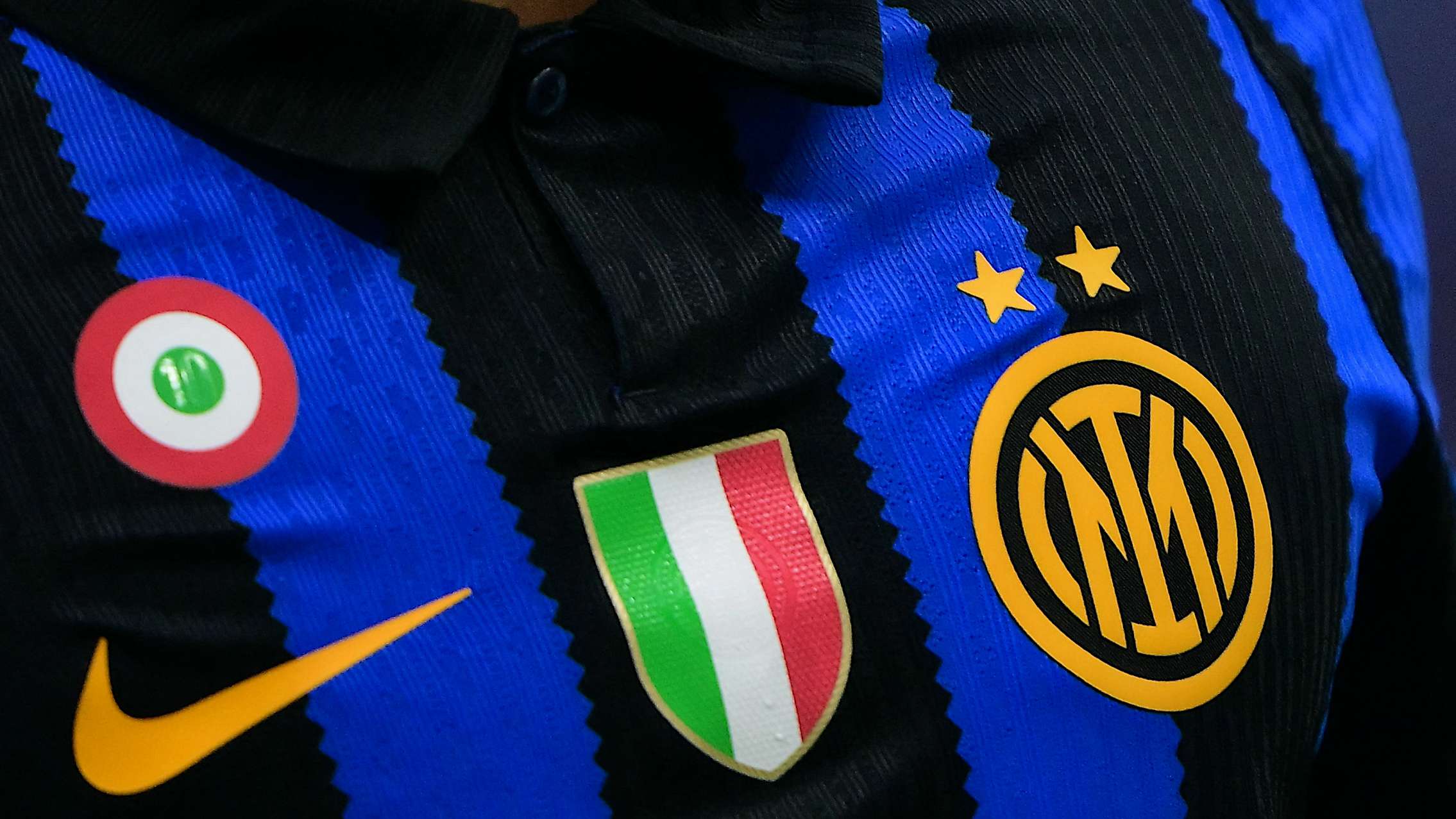
Inter have strengthened their transfer and recruitment structure by appointing Simone Lo Schiavo as the club’s new Director of Football Development. The role reflects the Serie A side’s growing focus on youth development, emerging talent and building a sustainable pathway from the academy to the first team.
The appointment follows a reshuffle behind the scenes at Inter. After Piero Ausilio’s departure, his former deputy, Dario Baccin, took over as sporting director. Baccin’s promotion left a vacancy in the club’s football operations, giving Inter an opportunity to create a position with a more specific emphasis on young players and long-term squad planning.
A New Role With a Focus on Youth Development
Inter had been searching for someone whose responsibilities would extend beyond the traditional work of a sporting director. While senior recruitment remains central to any club’s transfer strategy, Inter also want closer attention paid to the development of young footballers, including how promising prospects are identified, supported and prepared for higher levels of competition.
Lo Schiavo has been selected to lead that area. His appointment signals an intention to strengthen the connection between the club’s youth sector and its wider football structure. In practical terms, that could involve helping Inter assess young talent, monitor player progress and identify opportunities for academy graduates to move closer to the senior squad.
The club’s announcement confirms the new title, although further details about Lo Schiavo’s day-to-day duties have not been outlined. Still, the position’s name points to a broad development brief: not simply finding young players, but helping shape the conditions in which they can improve and contribute to Inter’s sporting plans.
How the Appointment Fits Inter’s Football Strategy
For a club competing at the highest level in Italy and Europe, youth development can be both a sporting priority and a financial advantage. Developing players internally may give a team more options, reduce its reliance on expensive transfers and create greater continuity between the academy and the first team. It can also help a club identify talent before its market value rises.
That approach requires coordination across several departments. Recruitment staff need to spot players with potential, coaches must provide suitable development opportunities, and senior decision-makers have to judge when a prospect is ready for a greater challenge. A dedicated Director of Football Development could help bring those stages together, making youth progression a more visible part of Inter’s overall football planning.
Inter will still need experienced players and carefully chosen signings to compete for major honours. However, a stronger development structure could complement those efforts by giving the club a clearer view of its younger assets. It may also help ensure that promising players are assessed consistently rather than treated as separate projects within the academy.
What Lo Schiavo’s Appointment Could Mean for Young Players
The most immediate significance of the appointment may be the attention it brings to Inter’s emerging talent. Young players often face a difficult transition between academy football and senior competition, where the speed, physical demands and tactical detail are considerably greater. A well-organised development pathway can help make that step more gradual and purposeful.
For academy prospects, progress does not always mean an instant place in the first team. Development can include training with senior players, gaining experience through loans, adapting to different positions or receiving more tailored coaching. A football development director may have a role in helping the club decide which route is best for each player.
There is also a wider scouting dimension. Modern clubs increasingly look beyond their own academies when seeking young talent, tracking players across domestic and international markets. Inter’s new structure could support a more joined-up approach to identifying prospects and evaluating how they might fit the club’s style, age profile and long-term needs.
Transfer Implications and a Long-Term View
Lo Schiavo’s arrival should not be viewed as a replacement for Inter’s established transfer operations. Instead, the new position appears designed to add a development-focused layer to the club’s decision-making. Baccin’s work as sporting director and the responsibilities attached to the new role may overlap in some areas, but their distinct titles suggest different priorities within the same broader football project.
That division of focus could become particularly valuable during transfer windows. Clubs must balance immediate needs with future planning, and decisions about young players can have consequences over several seasons. A stronger development perspective may help Inter judge whether to promote a prospect, send them out on loan, keep them in the academy or pursue an external signing.
These choices are rarely straightforward. A young player may need regular minutes that are difficult to guarantee at a club chasing trophies, while a loan move can offer valuable experience but requires careful selection of the right team and environment. Clearer oversight could help Inter make those decisions with a better understanding of each player’s individual progress.
What to Watch Next
The impact of the appointment will become clearer through Inter’s future recruitment decisions and the opportunities given to younger players. Supporters will be watching to see whether academy prospects feature more regularly in senior training, whether the club’s loan strategy evolves and how closely youth development is connected to first-team planning.
For now, Inter’s confirmation of Lo Schiavo’s appointment marks a structural change rather than an immediate shift on the pitch. The role’s success will depend on how effectively it turns long-term planning into tangible progress for players and the club. In a competitive football landscape, stronger development systems can help teams build depth, manage resources and prepare for future challenges.
There is no reliable prediction yet about how quickly the appointment will influence Inter’s results or transfer activity. What the move does show is that the club wants youth development to have a more defined place in its sporting structure. If the new department helps promising players make the jump to senior football, it could become an important part of Inter’s plans for the seasons ahead.