
Iran’s National Football Team Will Not Participate in 2026 World Cup Due to Political Conflict
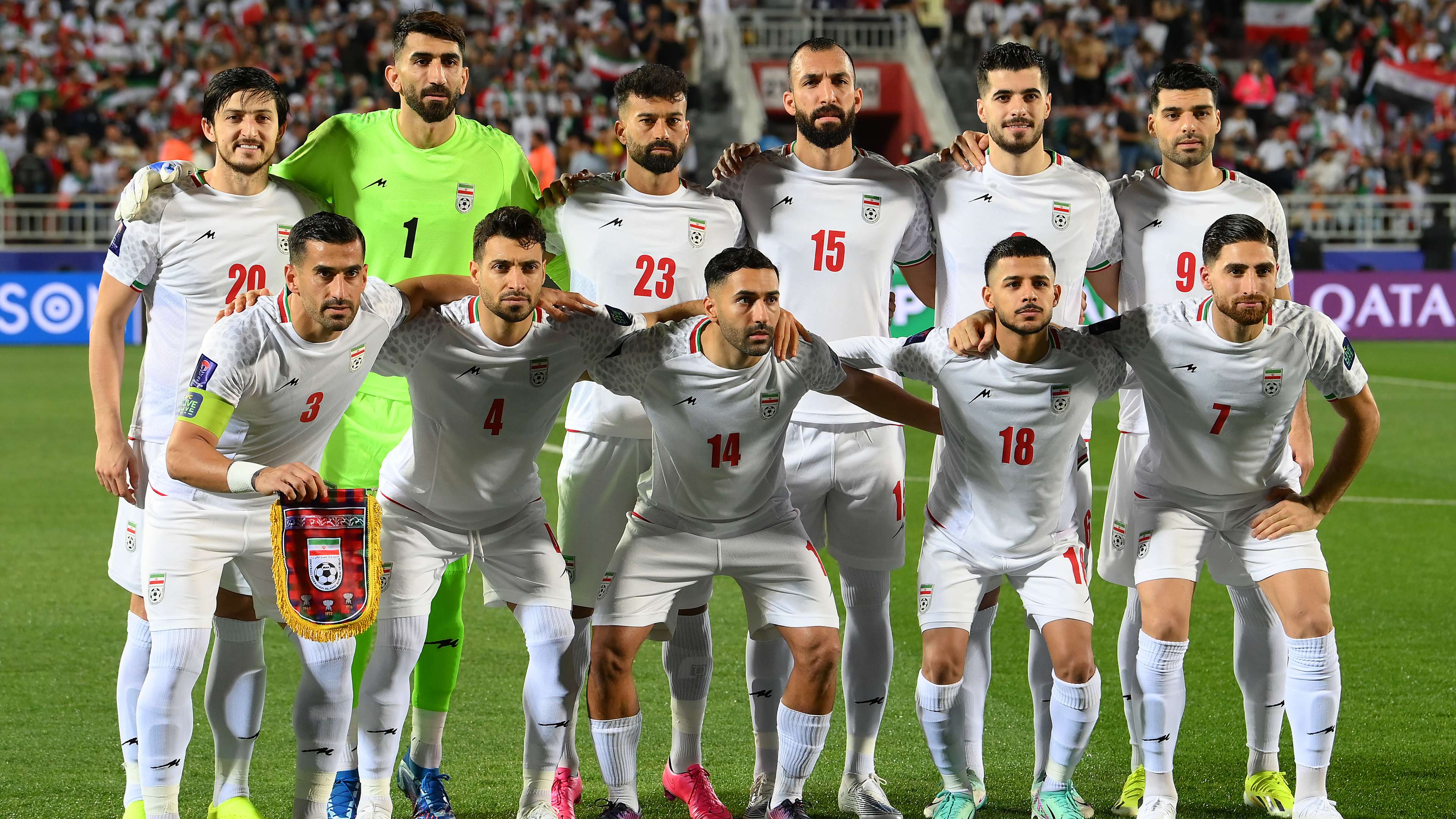
Iran’s sports minister, Ahmad Donyamali, recently made a shocking announcement that the country’s national football team will not be able to participate in the 2026 World Cup. This decision comes in light of the ongoing military conflict involving the United States and Israel. Donyamali expressed his concerns about the current political circumstances, stating that it would not be feasible for Iran to take part in the tournament, which is scheduled to be hosted by the United States, Canada, and Mexico from June 11 to July 19.
The news has left football fans in Iran and around the world disappointed, as the national team had been expected to showcase their talent on the global stage. The World Cup is one of the most prestigious events in football, bringing together teams from around the world to compete for the coveted title of world champions.
Donyamali’s announcement has sparked debate and speculation among football enthusiasts, with many expressing their disappointment and frustration over the situation. The decision not to participate in the 2026 World Cup has raised concerns about the impact it will have on Iran’s football development and the opportunities for players to gain international exposure.
Despite the setback, the Iranian national team remains focused on their upcoming matches and competitions. They are determined to continue their training and preparation for future tournaments, hoping to represent their country with pride and honor on the international stage.
The 2026 World Cup is set to be a historic event, with matches being held across three countries for the first time in the tournament’s history. The hosting duties will be shared between the United States, Canada, and Mexico, providing a unique opportunity for football fans in North America to experience the excitement of the World Cup firsthand.
While Iran will not be participating in the 2026 World Cup, fans can still look forward to following other teams and players as they compete for glory on the global stage. As one of the most-watched sporting events in the world, the World Cup is sure to provide plenty of thrills, excitement, and memorable moments for football enthusiasts everywhere.
In conclusion, the decision by Iran’s national team to sit out the 2026 World Cup due to political conflict is a disappointing development for football fans. However, the team remains focused on their future goals and aspirations, determined to continue their pursuit of success in the world of football. As the tournament approaches, fans can expect plenty of action and drama on the field as teams from around the world compete for football’s ultimate prize.
Impact of Iran’s Absence on the 2026 World Cup
Iran’s decision not to participate in the 2026 World Cup will undoubtedly have a significant impact on the tournament. The absence of a team with a strong footballing tradition and passionate fan base will be felt both on and off the field.
From a competitive standpoint, Iran’s absence means one less team for other nations to face in the group stages and potentially in the knockout rounds. This could alter the dynamics of certain groups and matchups, as teams will now have to adjust their strategies and tactics without facing Iran.
Off the field, the absence of Iranian fans, known for their enthusiasm and support of their national team, will create a different atmosphere at the tournament. The vibrant colors, chants, and energy that Iranian supporters bring to matches will be missed by fans, players, and organizers alike.
Opportunities for Emerging Football Nations
With Iran’s withdrawal from the 2026 World Cup, there is an opportunity for emerging football nations to step up and make their mark on the global stage. Countries that may have struggled to qualify in the past now have a better chance of securing a spot in the tournament, opening the door for new talent and fresh faces to shine.
This shift in the competitive landscape could lead to unexpected upsets, underdog success stories, and breakout performances from players who might not have had the chance to showcase their skills in previous World Cups. It adds an element of unpredictability and excitement to the tournament, as teams look to make the most of this opportunity.
Potential Diplomatic Impact
The decision by Iran’s national team to sit out the 2026 World Cup due to political conflict also raises questions about the intersection of sports and diplomacy. Football has often been used as a tool for diplomacy and bridge-building between nations, fostering relationships and cultural exchanges through the universal language of the game.
Iran’s absence from the World Cup may impact diplomatic relations with the host countries – the United States, Canada, and Mexico – as well as with other participating nations. The tournament provides a platform for nations to come together, showcase their diversity, and promote peace and understanding through sport.
Looking Ahead
As football fans around the world come to terms with Iran’s absence from the 2026 World Cup, there is still much to look forward to in the tournament. The competition promises to deliver thrilling matches, moments of brilliance, and the crowning of a new world champion.
While Iran’s national team will be missed, other teams will step up to fill the void and create unforgettable memories for fans everywhere. The 2026 World Cup remains a celebration of the beautiful game, uniting nations and cultures in a shared love for football.
As the tournament approaches, the focus will shift to the teams and players who will take the field, the stories that will unfold, and the excitement that comes with the biggest event in football. While Iran’s absence will be felt, the show must go on, and the 2026 World Cup promises to be a spectacle not to be missed.