
Iraq National Team Coach Urges FIFA to Postpone World Cup Qualifier Due to Iran War
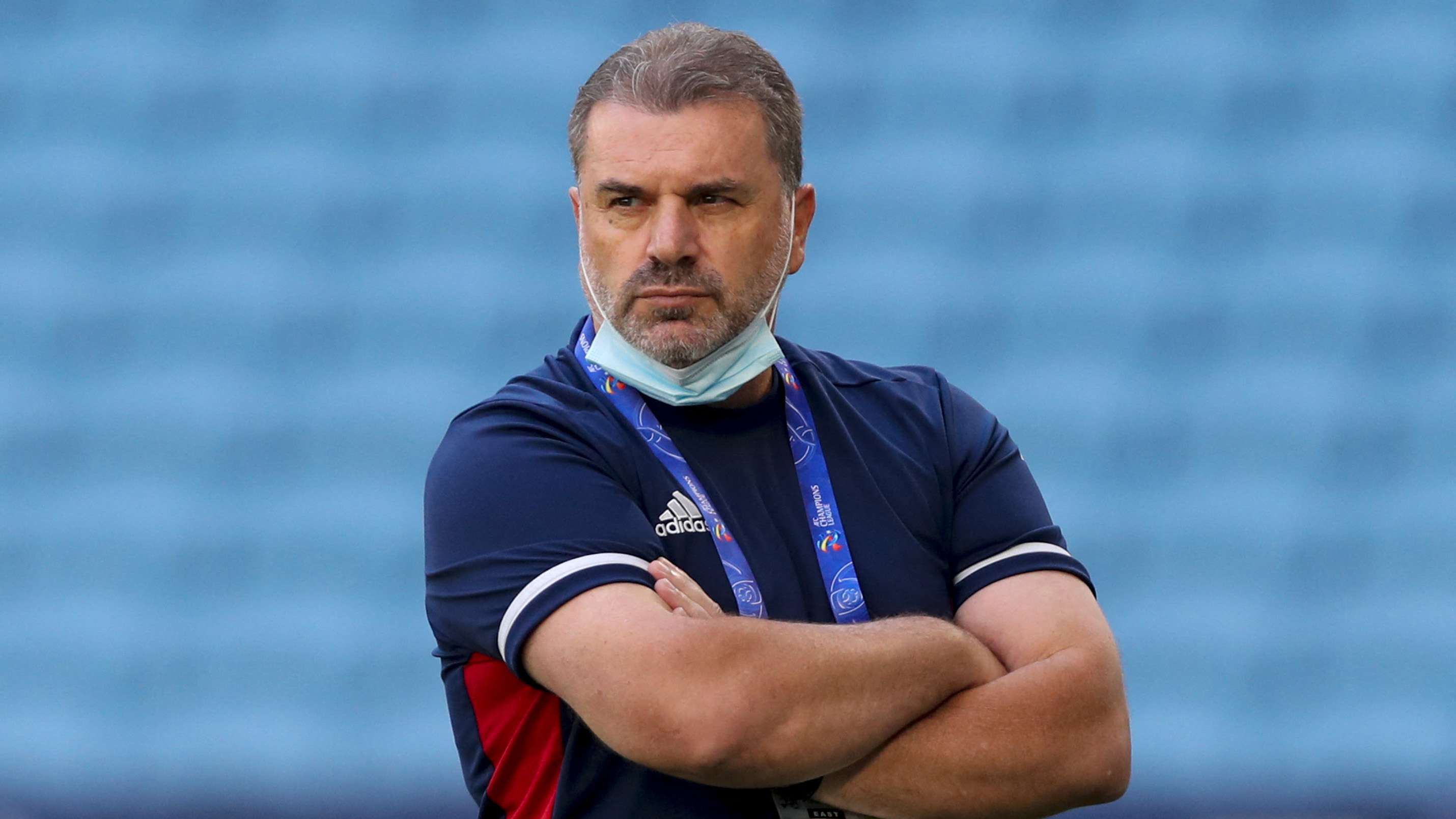
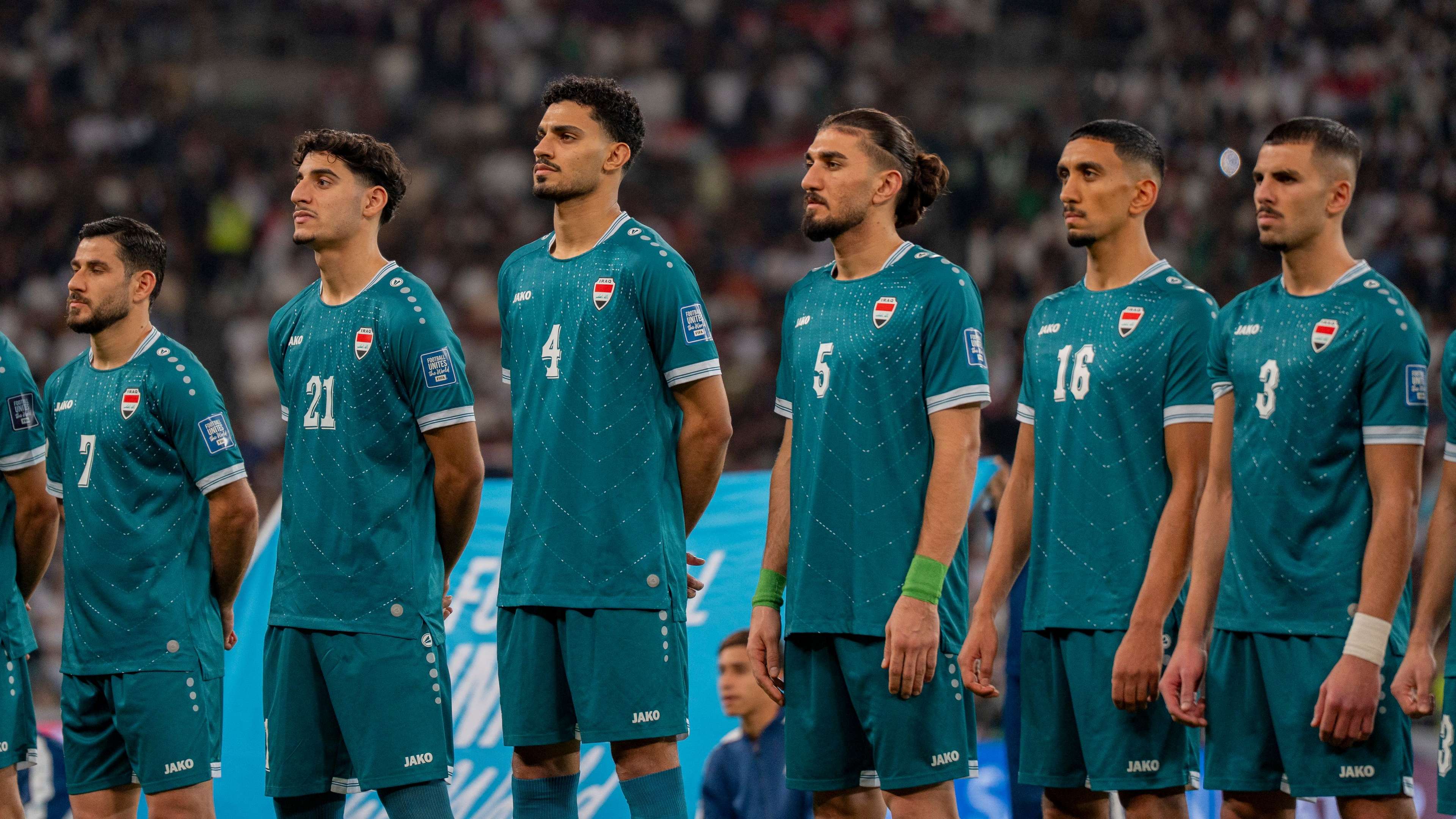
Iraq’s head coach, Graham Arnold, has made a desperate plea to FIFA, the international governing body of football, requesting the postponement of his team’s upcoming intercontinental qualifier for the World Cup. This decision comes as a result of the escalating tensions and disruptions caused by the ongoing Iran war. The Lions of Mesopotamia are currently slated to face either Suriname or Bolivia in a high-stakes play-off match on March 31 in Monterrey, Mexico. However, the logistical challenges posed by the current situation have made it nearly impossible for the team to participate in the match.
The Impact of the Iran War on Iraqi Football
The conflict in neighboring Iran has had a profound impact on various aspects of life in Iraq, including sports. The instability and security concerns in the region have made it increasingly difficult for the Iraqi national team to prepare for and participate in international matches. Coach Graham Arnold has voiced his concerns about the safety of his players and staff members, as well as the challenges of travel and logistics in the current environment.
Arnold emphasized the importance of prioritizing the well-being and safety of the team above all else, stating that it would be irresponsible to proceed with the scheduled match under the current circumstances. He stressed the need for FIFA to consider the unique challenges facing the Iraqi national team and to show flexibility and understanding in light of the ongoing crisis.
A Plea for Understanding and Support
Arnold’s plea to FIFA has been met with mixed reactions from fans and experts in the football community. While some have expressed sympathy and understanding for the team’s predicament, others have questioned the feasibility of rescheduling such an important match on short notice. However, the coach remains hopeful that FIFA will take into account the extraordinary circumstances facing the Iraqi national team and make a decision that prioritizes the safety and well-being of all involved.
As the situation in the region continues to evolve, the fate of the World Cup qualifier remains uncertain. Fans and supporters of Iraqi football are anxiously awaiting FIFA’s response to Arnold’s request for a postponement. The outcome of this decision will not only impact the Iraqi national team’s participation in the upcoming match but also the broader implications for the team’s chances of qualifying for the World Cup.
Looking Ahead
Regardless of the final decision made by FIFA, one thing is certain: the Iraqi national team is facing unprecedented challenges as they navigate the complexities of international football in the midst of a regional conflict. Coach Graham Arnold and his players remain committed to representing their country with pride and determination, but they also recognize the need for support and understanding from the international football community during this difficult time.
As the world watches and waits for FIFA’s response, the Iraqi national team continues to train and prepare for whatever the future may hold. Their resilience and spirit in the face of adversity serve as a testament to the power of football to unite and inspire people in even the most challenging circumstances.
The Importance of Safety and Well-being in Football
One of the key themes highlighted by Coach Graham Arnold’s plea to FIFA is the prioritization of safety and well-being in football. In the midst of conflict and instability, it is crucial for sports organizations and governing bodies to consider the unique challenges faced by athletes and teams in affected regions. The safety of players, coaches, and staff should always take precedence, and decisions regarding matches and competitions must be made with this in mind.
Arnold’s plea underscores the responsibility of football authorities to support and protect the individuals involved in the sport, not only in terms of physical safety but also mental and emotional well-being. The stress and uncertainty caused by external factors such as war and conflict can have a significant impact on athletes’ ability to perform at their best, highlighting the need for understanding and flexibility in such situations.
The Global Impact of Regional Conflicts on Football
The situation facing the Iraqi national team is just one example of how regional conflicts can disrupt and affect the world of football on a larger scale. In recent years, we have seen several instances where political tensions and security concerns have impacted the ability of teams to compete in international competitions. These challenges highlight the interconnected nature of the global football community and the importance of finding solutions that prioritize safety and inclusivity.
As the sport of football continues to grow and evolve, it is essential for organizations like FIFA to address the complex issues that arise from regional conflicts and other external factors. By recognizing the diverse circumstances faced by teams around the world, football authorities can work towards creating a more equitable and supportive environment for all participants, regardless of their background or location.
The Resilience of the Iraqi National Team
Despite the obstacles and uncertainties they face, the Iraqi national team has shown remarkable resilience and determination in the face of adversity. The players and coaching staff have continued to train and prepare for their upcoming matches, demonstrating their commitment to representing their country with pride and passion. Their perseverance serves as a powerful example of the unifying and uplifting nature of football, even in the most challenging of circumstances.
As fans and supporters eagerly await FIFA’s decision regarding the World Cup qualifier, the Iraqi national team remains focused on their goal of competing at the highest level and showcasing their talent on the international stage. The team’s unwavering spirit and dedication to the sport are a testament to the transformative power of football to inspire and unite people from all walks of life.
A Call for Solidarity and Support
In times of crisis and uncertainty, it is essential for the football community to come together in solidarity and support. The challenges faced by the Iraqi national team serve as a reminder of the importance of empathy, understanding, and cooperation within the world of sports. By rallying around teams in need and providing assistance where possible, fans, officials, and organizations can help ensure that football remains a beacon of hope and positivity, even in the darkest of times.
As the situation unfolds and decisions are made regarding the World Cup qualifier, the global football community has an opportunity to demonstrate its commitment to the values of unity, resilience, and compassion. By standing together and offering assistance to those in need, we can show that football is more than just a game—it is a powerful force for good that transcends boundaries and brings people together in times of adversity.
In conclusion, the plea made by Coach Graham Arnold to FIFA highlights the complexities and challenges faced by the Iraqi national team in the midst of regional conflict. By prioritizing safety, resilience, and solidarity, the football community can work towards creating a more inclusive and supportive environment for all participants, regardless of their circumstances. As we await FIFA’s decision, let us remember the importance of coming together in times of need and standing united in the face of adversity.