
Former CAF Secretary-General Responds to Accusations Surrounding AFCON Final
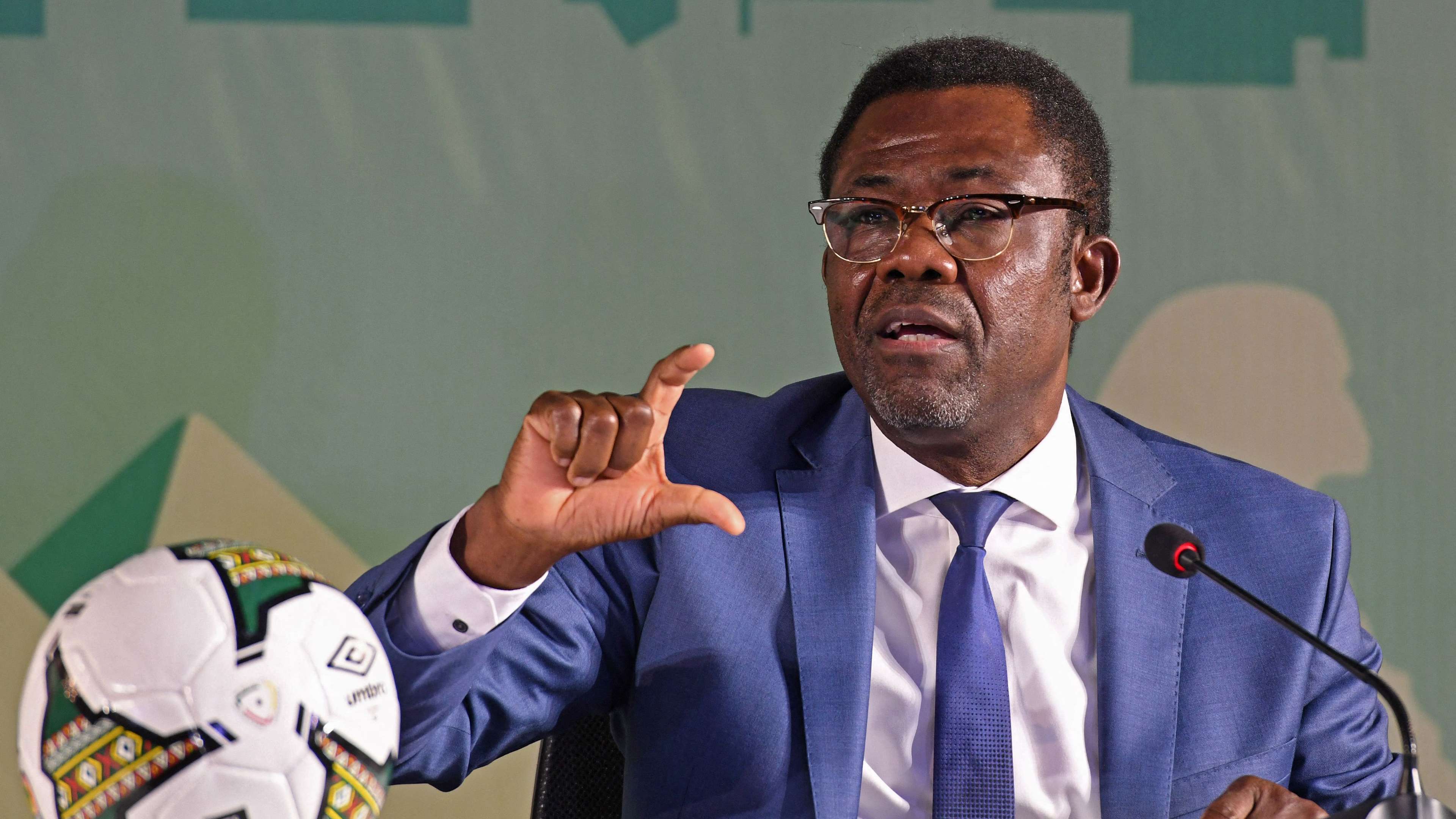
The former Secretary-General of the Confederation of African Football (CAF), Veron Mosengo-Omba, recently addressed the allegations of bias within the organization and shed light on his decision to resign from his post.
Response to Accusations
In the midst of a controversial case involving the administrative award of the 2025 Africa Cup of Nations title to Morocco despite Senegal’s on-field victory, Mosengo-Omba staunchly denied claims of bias towards Morocco or any influence from the country. Speaking in an interview with France 24, he expressed his frustration at the baseless accusations, emphasizing the lack of evidence to support such claims.
Mosengo-Omba refuted the idea that CAF was under the control of a specific party and called for those making allegations to provide concrete proof of their claims. He highlighted the emotional nature of the situation and suggested that any dissatisfaction with decisions made by the Appeals Committee should be addressed through official channels.
Reasons for Departure
Addressing speculation surrounding his resignation and its connection to the AFCON final case, Mosengo-Omba clarified that his decision to leave his position was not a result of being a “scapegoat.” He explained that his departure was a personal choice driven by a desire to explore new opportunities.
While acknowledging that he had contemplated leaving his role prior to the recent events, Mosengo-Omba opted to remain in order to contribute to the organization of the 2025 Africa Cup of Nations. He praised the success of the tournament in terms of viewership and revenue, commending host country Morocco for a job well done.
Despite his explanation of voluntary departure, reports suggest that Mosengo-Omba faced criticism internally and had exceeded the legal age limit for his position since last October, indicating potential factors contributing to his resignation.
Conclusion
In conclusion, the former Secretary-General’s response to the accusations of bias within CAF sheds light on the complexities surrounding the organization’s decision-making processes. The ongoing controversy surrounding the AFCON final case and the involvement of external bodies like the Court of Arbitration for Sport (CAS) continue to raise questions about transparency and fairness in African football.
As the situation unfolds, stakeholders within CAF and the wider football community will be watching closely to see how these issues are resolved and what steps are taken to ensure the integrity of future competitions.
Keywords: football, prediction, CAF, Veron Mosengo-Omba, Africa Cup of Nations, Morocco, Senegal, bias, resignation
Veron Mosengo-Omba’s Legacy and Impact on CAF
Veron Mosengo-Omba’s tenure as the Secretary-General of the Confederation of African Football left a lasting impact on the organization, overseeing significant developments and challenges within African football. His leadership during the organization of the 2025 Africa Cup of Nations showcased his commitment to advancing the sport on the continent, despite the controversies that followed.
Under Mosengo-Omba’s guidance, CAF focused on increasing the visibility and commercial success of its flagship tournament, attracting global audiences and sponsors. The decision to award the AFCON hosting rights to Morocco highlighted the country’s capabilities in hosting major sporting events and contributed to the overall growth of African football infrastructure.
Transparency and Fair Play in African Football
The allegations of bias surrounding the AFCON final case raised important questions about the transparency and fairness of decision-making processes within CAF. As African football continues to evolve and gain prominence on the international stage, ensuring accountability and integrity in governance becomes paramount.
Mosengo-Omba’s call for concrete evidence to support accusations of bias reflects a commitment to upholding the values of fairness and impartiality within CAF. Moving forward, it is essential for the organization to implement robust mechanisms that promote transparency and prevent conflicts of interest, thereby safeguarding the credibility of African football competitions.
Challenges and Opportunities for CAF Leadership
With Veron Mosengo-Omba’s departure from CAF, the organization faces a period of transition and reflection on its future direction. The incoming leadership will need to address the internal dynamics and external pressures that impact decision-making processes, particularly in light of recent controversies.
Opportunities exist for CAF to strengthen its governance structures, enhance collaboration with stakeholders, and promote inclusivity in decision-making. By fostering a culture of accountability and openness, the organization can rebuild trust and credibility among fans, players, and member associations across the continent.
Looking Ahead: The Future of African Football
As African football navigates the challenges of governance and integrity, there are promising signs of growth and potential for the sport to thrive. The success of recent tournaments, the emergence of talented players, and the increasing investment in grassroots development all point towards a bright future for football in Africa.
By prioritizing transparency, fairness, and ethical leadership, CAF can pave the way for a new era of African football that is characterized by excellence, inclusivity, and respect for the game. As stakeholders collaborate to address the complexities of the sport, the vision of a vibrant and competitive football landscape in Africa becomes ever more attainable.
In conclusion, Veron Mosengo-Omba’s response to the accusations surrounding the AFCON final sheds light on the challenges and opportunities facing African football governance. By learning from past experiences and embracing a culture of accountability, CAF can chart a path towards a more sustainable and reputable future for the sport on the continent.