
Tanvi Sharma Exits Korea Open 2026 After Round-of-16 Loss to Hina Akechi
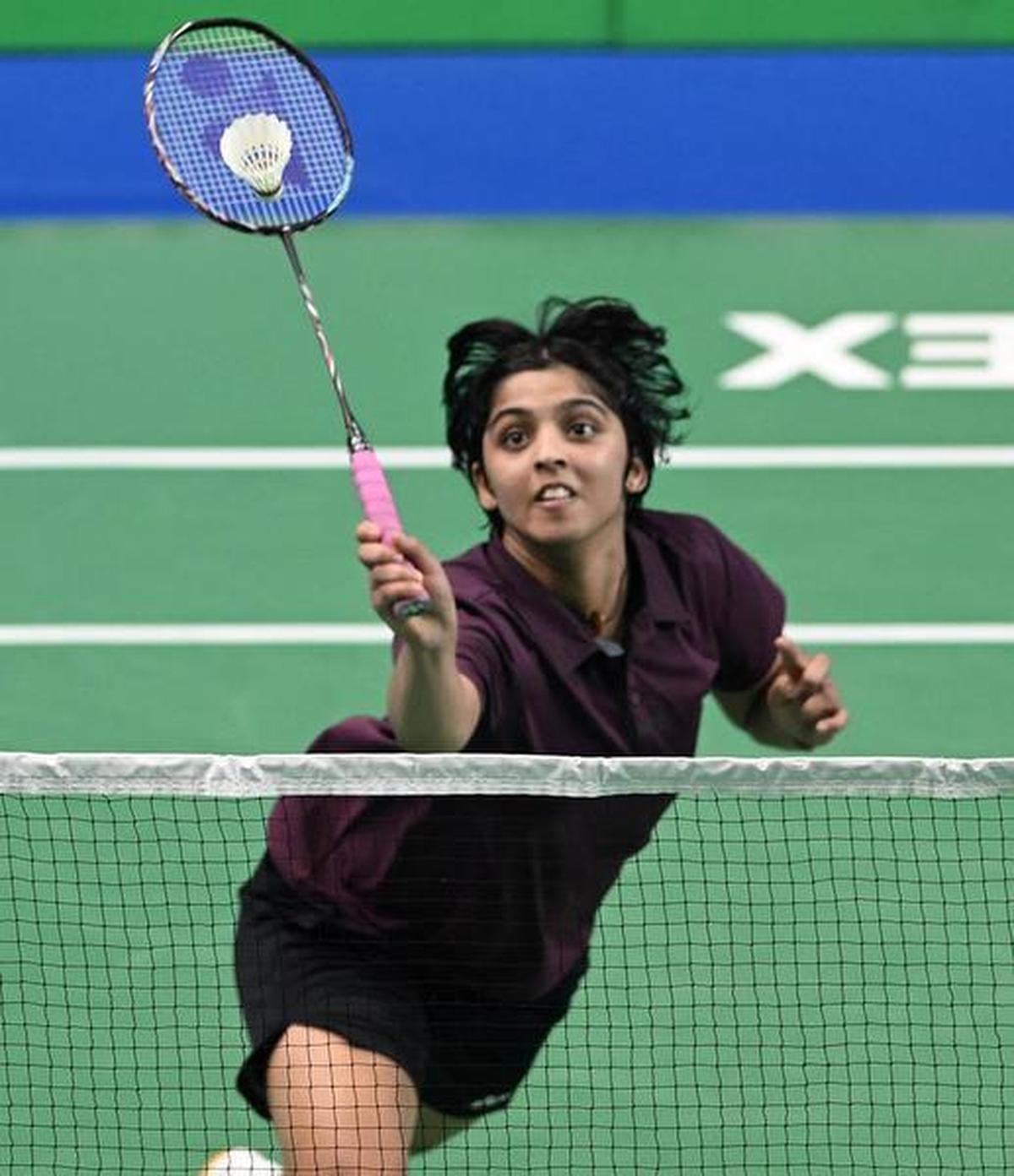
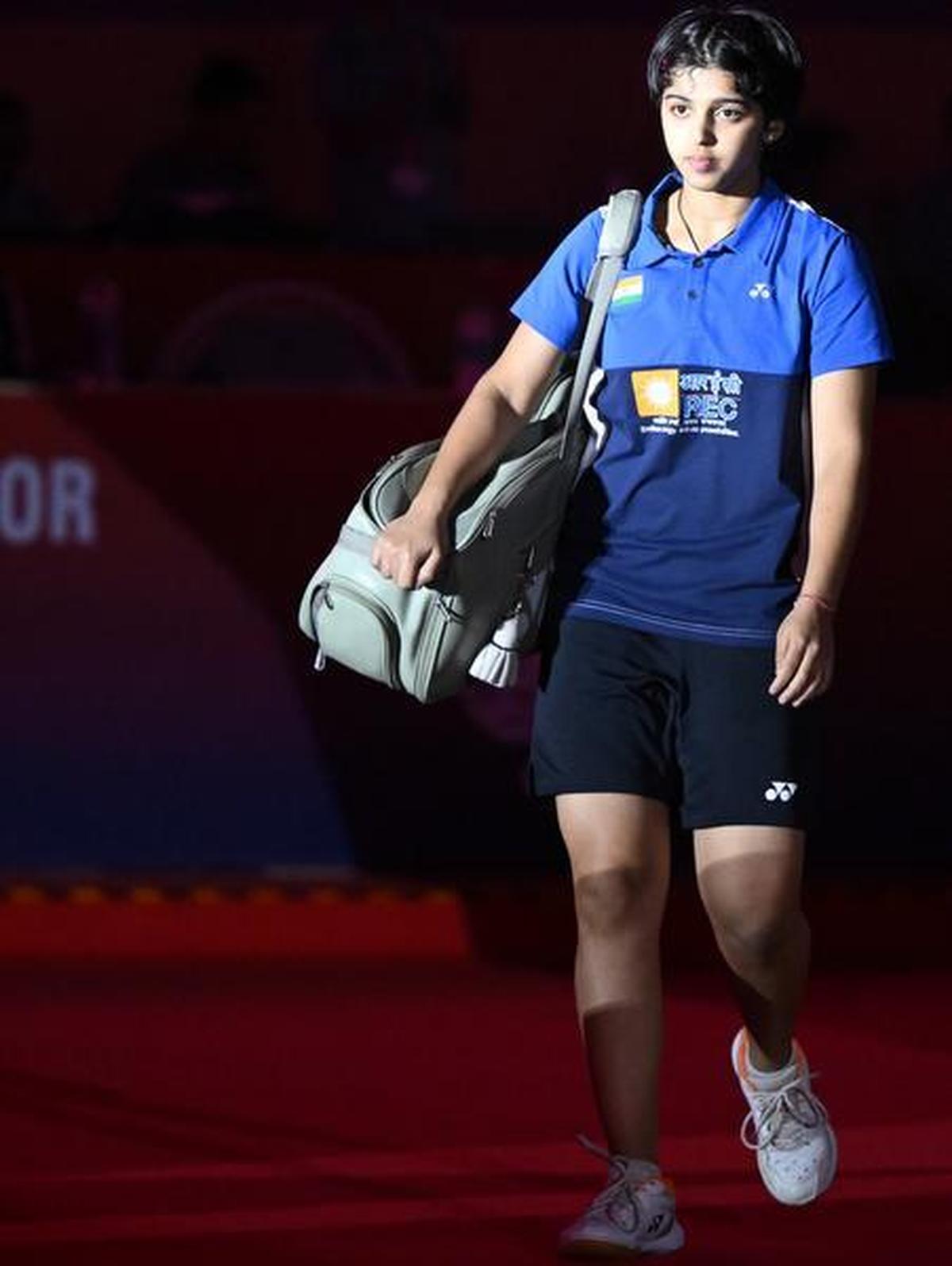
India’s rising badminton prospect Tanvi Sharma was eliminated from the Korea Open 2026 on Thursday after Japan’s Hina Akechi secured a 21-18, 21-12 victory in their women’s singles Round of 16 match. The contest lasted 37 minutes, with Akechi maintaining her composure at key moments to advance to the quarter-finals and improve her head-to-head record against the Indian teenager to 3-1.
For Sharma, the defeat ended a promising run at the tournament, where she had opened her campaign with a hard-fought win over Japan’s Manami Suizu. Her first-round success came in a demanding three-game match, but Akechi presented a different challenge: a quick, controlled player who made the most of small openings and applied pressure when the rallies tightened.
Akechi Edges a Closely Contested First Game
The fourth meeting between Sharma and Akechi began with the Indian taking an early couple of points. Akechi responded quickly, however, and the opening exchanges developed into a balanced contest. Neither player managed to build a substantial advantage as they traded points through the first half of the game.
The first meaningful separation came just before the mid-game interval. Akechi found the line with a sharp down-the-line winner, while Sharma’s attempted lift drifted long. Those two moments helped the Japanese player move ahead 11-9 at the break—a narrow lead, but one that gave her an opportunity to dictate the pace after the restart.
Sharma returned with intent and drew level at 11-11, keeping the pressure on her opponent. The players then exchanged points in a tense stretch, with neither able to pull away. At 17-17, the game was still finely balanced, but Akechi raised her level at precisely the right time. She won three consecutive points to earn three game points.
Sharma saved one opportunity, showing resilience under pressure, but her next shot went wide. Akechi took the opening game 21-18 after 20 minutes. In a close badminton game, a handful of errors or well-timed attacking shots can make the difference, and the closing sequence gave the Japanese shuttler the momentum heading into the second game.
Japanese Shuttler Pulls Clear After the Interval
The second game initially followed a similar pattern. Sharma stayed within reach as both players worked through another competitive opening, but Akechi again entered the mid-game interval with an 11-9 advantage. The two-point margin meant the match remained open, yet Akechi soon began to create more distance on the scoreboard.
After the break, the Japanese player accelerated, combining precise placement with effective attacking play to move ahead 16-10. That six-point cushion shifted the pressure firmly onto Sharma, who needed a sustained run to make the contest close again. Akechi continued to control the exchanges and reached nine match points.
Sharma saved the first match point, but Akechi converted the second to complete a 21-12 win. The result sent the World No. 16 into the last eight and brought Sharma’s Korea Open campaign to a close.
Prannoy Offers Support from the Sidelines
India’s H. S. Prannoy, who had been knocked out in the first round on Wednesday, was seen coaching Sharma after the opening-game interval. His presence offered support during a pivotal stage of the match, as the 17-year-old attempted to recover from Akechi’s late surge in the first game.
Sharma’s performance also highlighted the value of experience at the highest level. She showed that she could match Akechi for long stretches, particularly in the first game, but the Japanese player was more clinical when the score reached the closing points. For young players developing on the international badminton circuit, learning to turn close passages into game-winning runs is often as important as producing strong rallies.
What the Result Means for Tanvi Sharma
Although the loss will be disappointing, Sharma leaves the Korea Open with a valuable win and another opportunity to test herself against established international opposition. Her victory over Suizu demonstrated her ability to compete through a long, demanding match, while the Round-of-16 encounter exposed areas she can continue to develop—particularly managing pressure late in games and limiting errors when an opponent begins to build momentum.
The 3-1 head-to-head record gives Akechi the advantage in their rivalry for now, but the contest also offered Sharma useful experience against a player ranked inside the world’s top 20. At 17, the Indian remains at an early stage of her senior career, and regular exposure to high-level tournaments can help sharpen her tactical choices, court coverage and confidence in close situations.
For Akechi, the win represents a composed step into the quarter-finals. She stayed patient when Sharma drew level in the first game, then made the decisive move at 17-17 instead of allowing the contest to drift. Her ability to repeat that control in the second game ensured that she did not give the Indian a clear route back into the match.
The Korea Open continues to provide a demanding test for players across the badminton circuit, with every round bringing a new tactical challenge. Sharma’s campaign ended in the last 16, but her opening-round victory and competitive showing against Akechi give her a foundation to build on as she pursues further progress on the international stage.