
Ezequiel Lavezzi Opens Up About His Personal Struggles and Journey Toward Healing
Football Legend Shares Candid Insights into His Battle with Mental Health
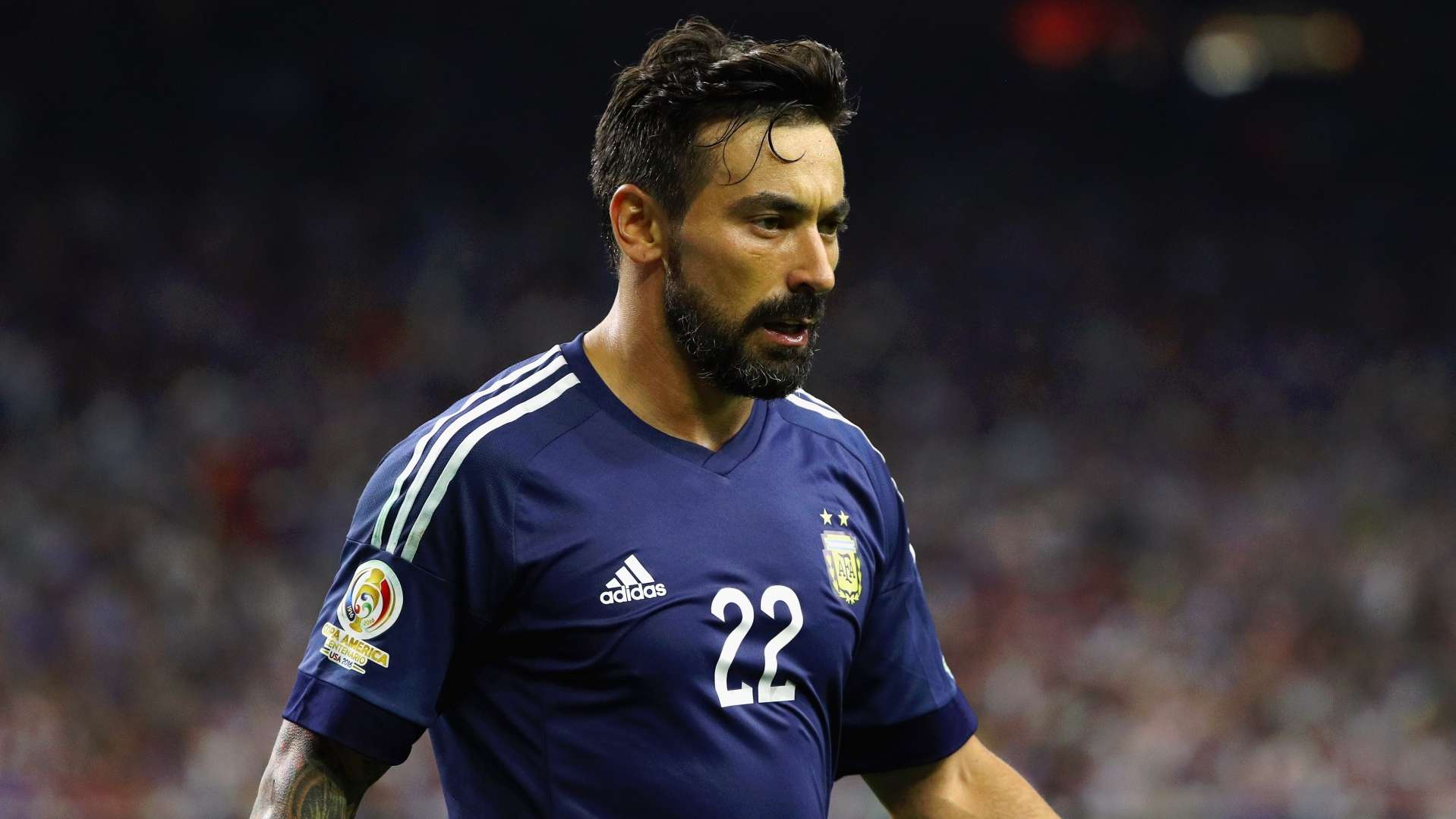
In a heartfelt interview, the renowned Argentine footballer Ezequiel Lavezzi, widely celebrated for his memorable spells at Napoli and Paris Saint-Germain, has shed light on one of the most challenging chapters of his life. At 41 years old, Lavezzi has chosen to openly discuss his struggles with mental health, an issue that remains a taboo in many sports circles but one that he believes must be addressed openly and honestly.
The Personal Toll Beyond the Football Field
While football has often been a source of joy and national pride for fans worldwide, the journey for athletes like Lavezzi is frequently marked by intense pressure, relentless expectations, and the physical and mental toll of professional sports. The former Napoli striker revealed that he faced a difficult period that led to hospitalization due to mental health issues, including episodes of hypomania—a condition characterized by elevated mood, increased activity levels, and sometimes impulsive behavior.
“It was a very complex time in my life,” Lavezzi shared. “I had to confront my own mind, and it was not easy. I realized I needed help, not just for myself but for my loved ones, especially my son.”
The Role of Family and Motivation to Seek Help
Central to his decision to seek treatment was the unwavering love and responsibility he feels as a father. Lavezzi emphasized that protecting his son from the potential fallout of his struggles was a powerful motivator. “The most important thing for me was not to let my problems affect my child’s future. I knew I had to face these issues head-on.”
This emotional revelation highlights the importance of mental health awareness among athletes, who often face unique challenges that can impact their well-being both on and off the pitch. Lavezzi’s transparency serves as an inspiring reminder that seeking help is a sign of strength, not weakness.
The Ongoing Journey Toward Recovery
Despite the progress made, Lavezzi clarified that his journey toward mental wellness is ongoing. He continues to undergo treatment and therapy to manage episodes of hypomania, emphasizing that recovery is a continuous process. This candid admission not only demystifies mental health struggles but also encourages others facing similar issues to seek support without fear of stigma.
Football and Mental Health: Breaking the Silence
The story of Ezequiel Lavezzi adds a vital voice to the growing conversation about mental health in the world of football. Prominent athletes and clubs are increasingly recognizing the importance of mental well-being as part of overall health. Initiatives aimed at providing psychological support, promoting awareness, and reducing stigma are gaining momentum across leagues and federations worldwide.
In recent years, some football clubs have introduced mental health programs, offering counseling and support services for players dealing with stress, anxiety, depression, and other psychological challenges. High-profile players speaking out about their own experiences—like Lavezzi—help normalize seeking help and foster a culture of openness and support within the sport.
The Impact of Public Figures on Mental Health Awareness
When former stars like Lavezzi share their personal stories, it creates a ripple effect that extends beyond the sport. Fans, young athletes, and even sports organizations are encouraged to prioritize mental health, leading to more comprehensive support systems. This shift is particularly significant in a sport where physical injuries often take center stage, yet mental health remains an essential component of athlete care.
Football Predictions and the Growing Focus on Player Well-being
As the football industry evolves, so does the emphasis on player health, performance, and longevity. Accurate football predictions, which have become a staple for fans and betting enthusiasts, now increasingly incorporate considerations of player fitness and mental resilience. Clubs and analysts recognize that mental stability directly influences performance on the field, and neglecting this aspect can impact team results and league standings.
Furthermore, expert predictions about upcoming matches often factor in the psychological state of key players. A player battling mental health issues might not perform at their peak, affecting game outcomes. Therefore, understanding and supporting players’ mental well-being is now viewed as an integral part of strategic planning and prediction accuracy in football analysis.
Looking Ahead: The Future of Mental Health in Football
The revelations by Ezequiel Lavezzi mark a pivotal moment in the ongoing effort to destigmatize mental health issues within the football community. As more former and current players speak openly, the sport is moving toward a future where mental health support is normalized and prioritized.
Leagues and clubs are encouraged to adopt comprehensive mental health programs, ensuring players have access to psychological resources throughout their careers. Education campaigns aimed at coaches, staff, and fans can further foster understanding and empathy, creating a safer environment for athletes facing mental health challenges.
Conclusion: An Inspiring Message of Resilience and Hope
Ezequiel Lavezzi’s candid account of his battle with mental health issues underscores the importance of vulnerability and resilience. His willingness to share his story not only humanizes a sport often associated with physical prowess but also highlights the vital need for mental health awareness in the world of football. As the sport continues to grow globally, integrating mental health support into athlete care will be essential for fostering sustainable, healthy careers and inspiring countless fans around the world.
In the end, Lavezzi’s journey reminds us all that seeking help is a sign of strength, and with support, recovery and happiness are achievable—even for those in the spotlight of professional football.