
Manuel Ugarte’s Manchester United Future: Gus Poyet Backs a Possible Old Trafford Revival
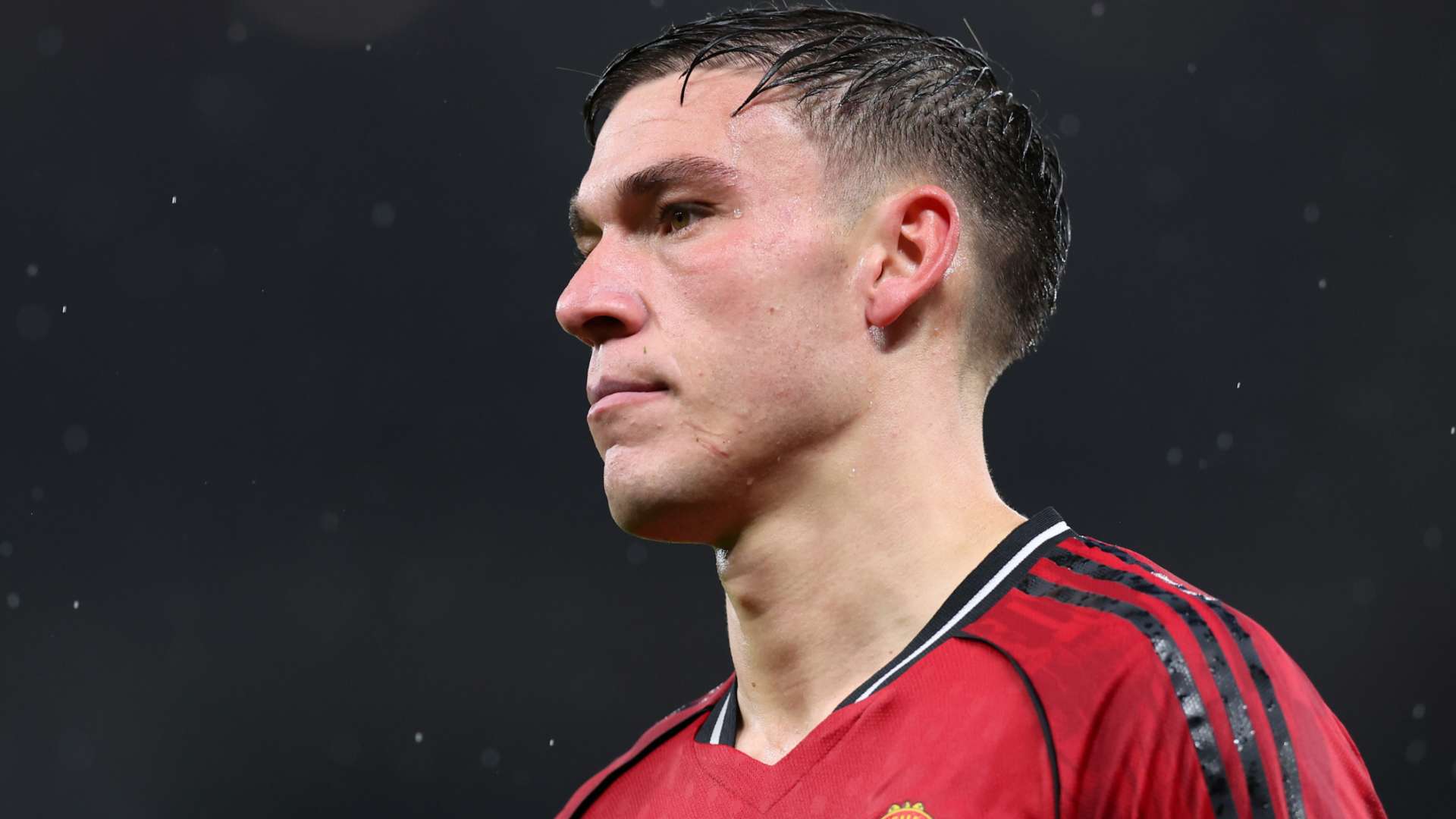
Manuel Ugarte’s Manchester United career has so far been shaped by frustration. The Uruguayan midfielder has struggled to establish consistent form, while fitness problems have repeatedly interrupted his efforts to make an impact. Yet former Uruguay international Gus Poyet believes the story may not be over. Speaking to GOAL, Poyet suggested that his compatriot could still earn redemption and a second chance at Old Trafford.
Ugarte is currently recovering from surgery after suffering knee ligament damage at the 2026 World Cup. The injury has left him facing a difficult rehabilitation period at a time when he needs regular football to rebuild momentum. His immediate priority is a careful return to full fitness, but the longer-term question remains: can he turn a challenging spell into a fresh start at Manchester United?
A Difficult Spell at Old Trafford
Arriving at a club with Manchester United’s expectations brings pressure for any signing, particularly for a midfielder asked to provide energy, defensive discipline and composure under pressure. Ugarte’s reputation was built around his tenacity and ability to disrupt opposition attacks. Those qualities can be valuable in the Premier League, where the pace and physical demands of football leave little room for hesitation.
However, a player’s strengths are only useful when he can show them consistently. Ugarte has found it difficult to build a sustained run of appearances and performances, with questions over form compounded by fitness setbacks. When a player is in and out of the team, it becomes harder to develop rhythm, understand teammates’ movements and adapt to a manager’s tactical demands.
That context matters when assessing his time at United. A disappointing spell does not necessarily mean a player lacks the quality to succeed. It can also reflect the combined effect of injuries, limited continuity and the challenge of adapting to a demanding new environment. For Ugarte, the task is now to return healthy and demonstrate that he can contribute reliably over time.
Poyet’s Case for a Second Chance
Poyet’s support carries particular relevance because he understands both the expectations placed on Uruguayan players and the intensity of English football. His message is not that Ugarte’s problems should be ignored, but that a difficult period need not define the midfielder’s entire career. If the player can recover fully and regain confidence, Poyet believes there may still be room for a meaningful comeback.
A second chance would depend on more than reputation or nationality. Ugarte would need to show that he can stay available, perform with consistency and fit into the club’s plans. At a major team, competition for places is constant, and midfielders are judged on how well they balance defensive work with possession, decision-making and forward support. The opportunity may be there, but it will have to be earned on the pitch.
That is why the recovery period could prove important beyond the medical process. Rehabilitation can help a player rebuild strength and mobility, but returning with confidence is just as significant. A cautious, well-managed comeback may offer a better foundation than rushing back in an attempt to make up lost ground.
The Injury and the Road Back
Knee ligament damage is a serious setback for any footballer, especially a midfielder whose role involves changing direction, pressing opponents and competing in physical challenges. Surgery is only one stage of the process. The months that follow typically involve structured rehabilitation, strength work and gradual exposure to training demands before a player is ready for competitive action.
For United, the priority will be ensuring that Ugarte is not asked to return before he is prepared. A premature comeback could risk further problems, while a measured approach gives him the best chance of regaining the mobility and confidence required at the highest level. His progress will likely be assessed in stages, with medical staff and coaches monitoring how he responds as the workload increases.
The injury also complicates the usual conversation about form. A player cannot build momentum while unavailable, and a long absence can make it harder to reclaim a place in a competitive squad. Ugarte’s challenge will be to treat his return as a fresh beginning rather than an attempt to immediately compensate for everything that has gone wrong.
What Manchester United Need from Ugarte
Manchester United’s midfield demands vary according to the opponent, the match situation and the team’s tactical approach. Ugarte’s best route back may be to focus first on the qualities that made him an attractive signing: intensity, ball-winning, positional awareness and the ability to protect the defence. If he can provide those attributes consistently, he may give the coaching staff a dependable option in the middle of the pitch.
At the same time, modern midfielders are expected to contribute more than tackles and interceptions. They must make quick decisions in possession, resist pressure and help the team move the ball into attacking areas. Improving those parts of his game could help Ugarte become a more complete option and strengthen his case for regular involvement.
United’s decision-makers will also have to weigh patience against the need to build a balanced squad. A successful return could give the club greater depth and offer Ugarte a chance to fulfil his potential in English football. But squad plans can change quickly, and the midfielder will need to make a strong impression whenever he is fit enough to compete.
Prediction: Can Ugarte Rebuild His United Career?
Any prediction about Ugarte’s future should be cautious. His recovery from knee surgery comes first, and no assessment of his prospects can be separated from his ability to regain full fitness. If he returns without setbacks, earns regular opportunities and adapts to the team’s needs, a revival at Old Trafford remains possible. Poyet’s backing offers encouragement, but the decisive evidence will come through Ugarte’s performances.
For now, the midfielder’s Manchester United story is unfinished. His spell has been difficult, but injuries and disrupted form do not automatically close the door on a comeback. A patient rehabilitation, a clear role and a sustained run of football could give him the platform he has so far lacked.
Ugarte’s next chapter will therefore be about more than returning from surgery. It will be a test of resilience, consistency and whether he can translate his defensive strengths into a dependable contribution for United. If he manages that, the second chance Poyet has spoken about may become a genuine opportunity—not simply a hopeful prediction.